


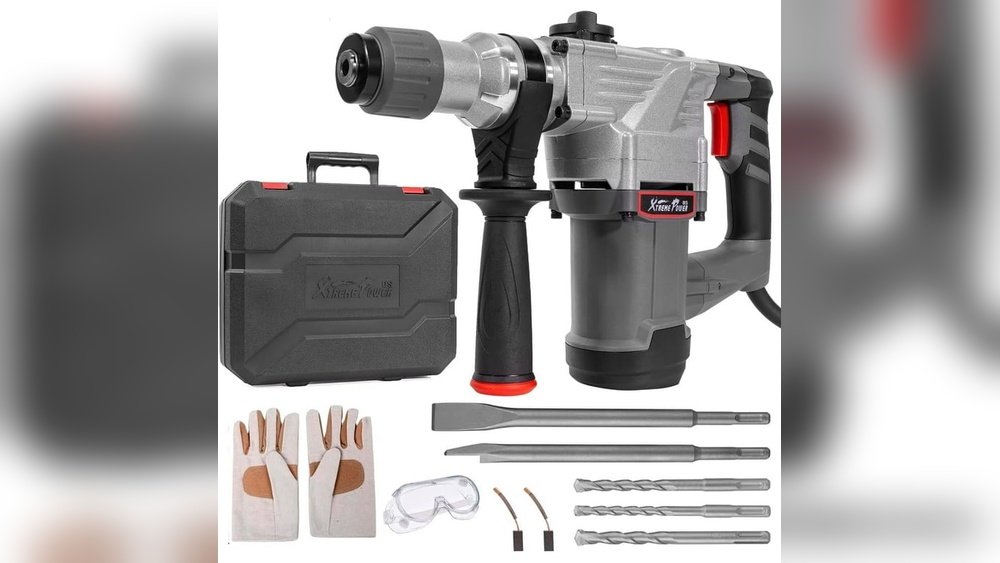
Have you ever wondered if your hammer drill can double as a chisel? If you’re facing a tough job and don’t have a dedicated chisel on hand, it’s natural to ask if your hammer drill can step in.
You want to save time, avoid extra tools, and get the job done right. But is it really possible? You’ll discover the surprising truth about using your hammer drill as a chisel—and what you need to know before you try.
Keep reading to make sure you don’t damage your tools or slow down your project.

Credit: clarkstool.com
Hammer Drill Vs Rotary Hammer
Hammer drills and rotary hammers are common tools for drilling into hard materials. Both look similar but work differently. Choosing the right tool depends on the job. Understanding their differences helps you decide which tool fits your needs.
Key Differences
Hammer drills use a rapid hammering action combined with rotation. This action helps drill into wood, metal, and light concrete. They are lighter and smaller than rotary hammers.
Rotary hammers deliver a stronger hammering force. They use a piston mechanism inside. This makes them ideal for heavy concrete and masonry work. Rotary hammers are bigger and heavier but more powerful.
Tool Functions
Hammer drills work well for drilling holes in softer materials. They can handle occasional masonry but are not built for tough chiseling jobs. Their hammer action is less intense.
Rotary hammers can drill and chisel. They often have a chisel mode for breaking concrete and tiles. The strong hammering helps remove material faster. This makes rotary hammers the better choice for chiseling tasks.

Credit: www.garvee.com
Using A Hammer Drill With A Chisel
Using a hammer drill with a chisel can expand your tool’s functionality. It allows you to chip or break hard materials like concrete or brick. Not every hammer drill works well with a chisel. Knowing the right way to use them together helps avoid damage and improves results.
Compatibility Factors
Not all hammer drills support chiseling. The drill needs a hammer function that delivers a strong, repetitive impact. This impact is different from the rotary motion used for drilling holes. Hammer drills with a rotary hammer mode or SDS chuck are best for chiseling tasks. Standard hammer drills often lack the power or design for chisels.
Check your drill’s manual for chisel compatibility. Using a chisel with a drill not built for it can wear down the tool quickly. It may also cause poor chisel performance or unsafe working conditions. Choose a hammer drill with a proper hammering mechanism for safe and effective chiseling.
Types Of Chisels
Chisels come in different shapes and sizes, each suited for specific jobs. Flat chisels help remove tiles and mortar. Pointed chisels are good for breaking up concrete or stone. Wide chisels work well for surface smoothing or shaping materials.
Ensure the chisel fits the hammer drill’s chuck or SDS system. Using the right chisel type improves control and efficiency. Match the chisel shape to your project needs for the best results.
Essential Tips For Chiseling
Chiseling with a hammer drill requires care and the right approach. These essential tips help you use your tool safely and effectively. Follow the steps to get better results and avoid damage or injury.
Proper Attachment Methods
Use the correct chisel bit designed for your hammer drill. Insert the bit firmly into the chuck or SDS holder. Tighten the chuck securely to prevent slipping during use. Check the fit before starting work. Avoid using bits that are worn or damaged. Choose the right chisel type for the task, such as flat or pointed. This ensures better control and cleaner results.
Safety Precautions
Wear safety glasses to protect your eyes from flying debris. Use ear protection, as hammer drills can be very loud. Keep your hands away from the chisel bit during operation. Work in a well-lit area to see clearly. Hold the drill with both hands to maintain control. Avoid loose clothing or jewelry that could get caught. Take breaks to prevent fatigue and maintain focus.
When To Choose A Rotary Hammer
Choosing the right tool for chiseling tasks is important. A rotary hammer works best in certain conditions. It offers power and control that a regular hammer drill may lack. Understanding when to pick a rotary hammer helps you get the job done faster and cleaner.
Rotary hammers are designed for tough jobs. They combine hammering and rotation to break through hard materials. This makes them ideal for chiseling tasks that require strength and precision.
Heavy-duty Applications
Rotary hammers handle heavy-duty work with ease. They are perfect for breaking concrete, stone, or brick. The tool’s strong impact force makes chiseling large areas faster. It reduces user fatigue compared to using a hammer drill. For demolition or deep chiseling, a rotary hammer is the right choice.
Efficiency And Performance
A rotary hammer delivers higher efficiency in chiseling tasks. Its powerful motor and piston mechanism provide steady impacts. This results in cleaner cuts and less damage to surrounding material. The tool maintains speed and power over long periods. Using a rotary hammer saves time and effort on tough jobs.
Maintaining Your Hammer Drill
Maintaining your hammer drill is key to keeping it working well. Simple care steps help the tool last longer. This saves money and effort on repairs. A well-maintained drill performs better and stays safe to use.
Regular Cleaning
Dust and dirt can harm your hammer drill. Clean the tool after every use. Use a dry cloth to wipe the outside. Blow air into vents to clear debris. Avoid water or harsh chemicals on the drill. Keep the drill bit clean and sharp. Clean bits work more efficiently and last longer.
Lubrication And Care
Lubricate moving parts to reduce friction and wear. Use oil made for power tools. Apply oil to the chuck and other parts as the manual says. Check the drill regularly for loose screws or damaged parts. Tighten or replace parts to avoid bigger problems. Store the hammer drill in a dry place. Protect it from moisture and dust. Proper care keeps your drill ready for tough jobs.

Credit: robcosman.com
Frequently Asked Questions
Can A Hammer Drill Be Used As A Chisel?
No, a hammer drill is designed for drilling, not chiseling. It lacks the necessary impact and blade attachment for chisel work. Using it as a chisel may damage the tool and produce poor results.
What Drill Types Are Suitable For Chiseling?
Rotary hammers or demolition hammers with chisel modes are ideal. These tools deliver strong, controlled impacts and accept chisel bits. Hammer drills generally do not support chiseling attachments or functions.
Can I Attach A Chisel Bit To A Hammer Drill?
Most hammer drills do not fit chisel bits securely. They lack the SDS chuck system needed for chisels. Attempting to attach a chisel bit may cause slippage and unsafe operation.
What Is The Difference Between Hammer Drill And Rotary Hammer?
Hammer drills combine rotary motion with light hammering for drilling. Rotary hammers use piston-driven impacts for heavy chiseling and drilling. Rotary hammers are better suited for chiseling tasks.
Conclusion
A hammer drill can work as a chisel in some cases. It depends on the drill’s power and the bit used. Not all hammer drills have a chisel function. Using the right tool keeps your work safe and easy. Always check your drill’s manual before starting.
This helps avoid damage and injury. Choose tools that fit your job well. This way, you get better results without trouble. Remember, the right tool makes the work faster and safer.
