



Are you planning to bring your cordless drill on a plane but unsure if it’s allowed? You’re not alone.
Many travelers wonder about carrying tools like cordless drills when flying. The last thing you want is to face trouble at airport security or have your drill confiscated. You’ll discover exactly what the rules say, what you need to check before packing, and how to keep your drill safe and compliant during your trip.
Keep reading to avoid surprises and make your travel smooth and stress-free.

Credit: www.youtube.com
Airline Rules For Power Tools
Traveling with power tools requires knowledge of airline rules. Airlines have strict guidelines to keep flights safe. Power tools like drills need special attention. Understanding these rules helps avoid problems at security checks or boarding. Here is what you should know about carrying cordless drills on planes.
General Regulations
Most airlines allow power tools in checked luggage only. Tools must not have sharp parts exposed. Batteries often need special handling. Airlines restrict certain battery types due to fire risks. Lithium-ion batteries require separate packaging. Always check battery rules before packing. Carrying tools in carry-on bags is usually not allowed.
Specific Policies On Cordless Drills
Cordless drills often contain lithium batteries. Airlines may limit battery capacity or quantity. Drills must be turned off during travel. Some airlines ask that you remove batteries and pack them separately. Check if the airline requires the drill to be in its original case. Confirm specific airline policies before flying. Rules vary by airline and country.

Credit: www.youtube.com
Battery Restrictions And Safety
Carrying a cordless drill on an airplane involves strict rules about batteries. Airlines and safety authorities focus on battery limits to prevent fires and accidents. Understanding these rules helps you travel without problems.
Batteries, especially lithium-ion types, need special care. These batteries can overheat or catch fire if not handled properly. Airlines want to reduce these risks by setting clear guidelines.
Lithium-ion Battery Guidelines
Lithium-ion batteries power most cordless drills. Airlines limit their size and capacity. Usually, batteries must be under 100 watt-hours (Wh) to fly without special approval.
Batteries over 100 Wh but under 160 Wh may need airline approval. Larger batteries often cannot go in checked luggage. They should always be carried in the cabin for safety.
Damaged or faulty batteries are not allowed on airplanes. Airlines ask passengers to carry batteries in their original packaging or cover terminals to prevent short circuits.
Packing And Carrying Batteries
Remove batteries from your cordless drill before packing. Store batteries separately in your carry-on bag, not in checked luggage. This reduces fire risks in the cargo hold.
Use battery cases or plastic bags to protect terminals. Keep spare batteries away from metal objects. Label batteries if required by the airline.
Always check your airline’s rules before flying. Some airlines have stricter rules for batteries. Being prepared avoids delays and ensures a smooth trip.
Packing Your Cordless Drill
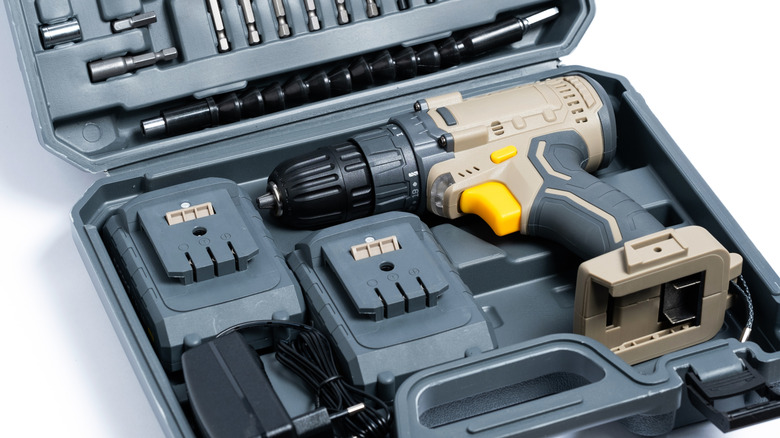
Packing your cordless drill for air travel needs care. You want to keep it safe and follow airline rules. A drill has batteries and sharp parts. These need special attention during packing.
Proper packing helps avoid damage and delays at airport security. It also makes your trip easier. Knowing how to pack can save time and stress.
Best Practices For Protection
Remove the battery before packing the drill. Store batteries in a separate, protective case. Use a hard case for the drill itself. Wrap the drill in bubble wrap or soft cloth. Keep the drill and accessories secure to stop movement. This prevents damage during handling and transport.
Recommended Carry-on Vs Checked Luggage
Carrying the drill in your carry-on is safer. You can keep an eye on it at all times. Batteries are often not allowed in checked luggage. Airlines prefer batteries in the cabin for safety reasons. Check airline rules before packing. Some airlines have specific limits on battery size and quantity.
Credit: www.slashgear.com
Security Screening Process
Carrying a cordless drill on an airplane requires going through the airport’s security screening process. This process checks all items to keep flights safe. Knowing what happens at the checkpoint helps you prepare and avoid problems.
What To Expect At Tsa
TSA agents will ask you to place your cordless drill in a separate bin. They scan it using X-ray machines. The drill’s battery may get extra attention. Sometimes, agents open the case to inspect the tool closely.
Be ready to remove any batteries from the drill. TSA may check these batteries for safety reasons. The drill itself must be clean and free of any sharp parts.
Tips To Avoid Delays
Pack your cordless drill carefully. Use a clear bag or box to hold the drill and batteries. Label the batteries separately if possible. This makes the screening faster.
Arrive early at the airport. This gives you time for extra checks without stress. Always follow TSA rules and instructions during screening.
Know that some airlines have their own rules about tools. Check these rules before you travel. This helps you avoid surprises at the checkpoint.
Alternative Shipping Options
Carrying a cordless drill on an airplane can be tricky due to airline rules and safety concerns. Alternative shipping options offer a safer and easier way to send your tools. These methods help avoid airport delays and restrictions. You can choose a service that fits your schedule and budget. Shipping tools separately also reduces the risk of damage or loss during travel.
Using Courier Services
Courier services provide a reliable way to send cordless drills. They handle packages with care and offer tracking features. Many couriers follow strict rules for shipping batteries and tools. You can select express or standard delivery based on your needs. Packing your drill properly is important to avoid damage. Courier companies often provide packaging tips and supplies.
Shipping Vs Flying With Tools
Flying with a cordless drill can cause problems at security checks. Airlines often restrict batteries and power tools in carry-on bags. Checked luggage has weight limits and safety rules. Shipping your drill removes these concerns. It also saves you from carrying heavy bags through airports. Shipping allows better control over delivery time and condition.
Common Mistakes To Avoid
Traveling with a cordless drill requires careful preparation. Many travelers make mistakes that cause delays or confiscation. Knowing what to avoid helps ensure a smooth airport experience.
Understanding common errors saves time and stress. Below are key mistakes to watch out for.
Improper Battery Handling
Removing the battery is important before packing your drill. Airlines often do not allow loose or installed lithium batteries in checked luggage. Carry batteries in carry-on bags only. Protect battery terminals to prevent short circuits. Avoid packing damaged or leaking batteries. Improper battery handling can lead to safety risks and confiscation.
Failing To Check Airline Policies
Every airline has different rules about power tools and batteries. Some may require special packaging or limit battery size. Failing to review these policies can cause problems at the airport. Visit the airline’s website or contact customer service before packing. Knowing rules ahead helps avoid surprises and keeps your drill safe during travel.
Frequently Asked Questions
Can You Bring A Cordless Drill On An Airplane?
Yes, you can bring a cordless drill in your checked luggage. However, it’s usually not allowed in carry-on bags due to battery restrictions.
Are Lithium Batteries For Drills Allowed On Flights?
Lithium batteries must follow airline rules. Spare batteries are often restricted in carry-ons and require special packaging.
Do Airlines Require Cordless Drills To Be Declared?
It’s best to declare your cordless drill during check-in. This helps avoid delays and ensures compliance with safety rules.
Can Cordless Drills Be Packed In Carry-on Bags?
Generally, cordless drills are not allowed in carry-on luggage because of battery safety concerns. Check airline policies before flying.
Conclusion
Carrying a cordless drill on an airplane is possible but requires care. Batteries must follow airline rules for safety. Always check with your airline before packing. Keep the drill and batteries in your carry-on bag. This helps avoid problems at security checks.
Knowing these rules makes travel smoother and stress-free. Stay safe and prepared for your next trip.
