


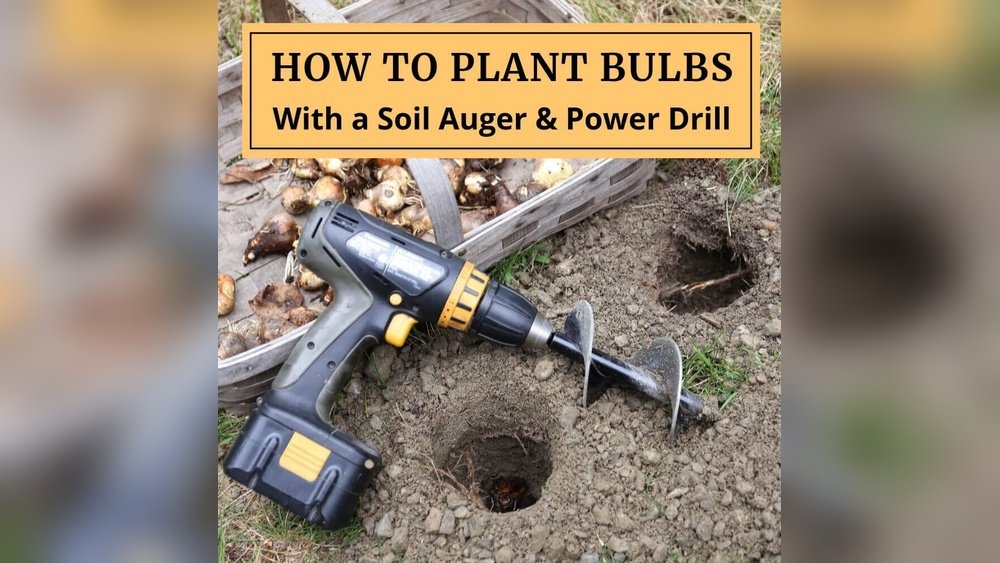
Have you ever wondered if you can use your cordless drill with any auger? If you’re looking to make digging easier without buying a separate tool, this question is probably on your mind.
The answer isn’t as simple as yes or no. Understanding the right combination can save you time, money, and frustration. Keep reading to discover what you need to know before attaching your cordless drill to an auger—and how to get the best results every time.
Cordless Drills And Augers Basics
Cordless drills and augers are popular tools for many jobs. They make drilling holes easier and faster. Understanding their basics helps in choosing the right tools. It also ensures the tools work well together. This section explains the types of cordless drills, common auger designs, and key parts for compatibility.
Types Of Cordless Drills
Cordless drills come in many types. The most common are drill drivers and hammer drills. Drill drivers are good for light to medium tasks. Hammer drills add a pounding action for tough materials. Battery size also varies, affecting power and runtime. Compact drills fit tight spaces. Full-size drills offer more power for big jobs.
Common Auger Designs
Augers have different shapes for different jobs. The most common type is the spiral auger bit. It drills deep, clean holes in wood or soil. Earth augers have larger blades for digging holes in the ground. Some augers have a hex shank for better grip. Others use a round shank for standard drills. Knowing the design helps pick the right auger for the drill.
Key Components For Compatibility
Compatibility depends on key parts of drills and augers. The chuck size on the drill must fit the auger shank. Most cordless drills have a 3/8 or 1/2 inch chuck. Augers come with different shank sizes to match. The drill’s torque must be strong enough to turn the auger. Battery power and motor strength are important. Matching these parts ensures safe and efficient drilling.
Credit: www.homedepot.com
Drill And Auger Connection Types
Understanding drill and auger connection types helps you match tools correctly. Not all cordless drills fit every auger. The connection depends on the shank style and chuck size. Using adapters can also expand compatibility. Knowing these details saves time and effort during projects.
Each connection type has its own shape and size. These differences affect how securely the auger attaches to the drill. Choosing the right connection ensures better control and safety.
Shank Styles Explained
Shanks connect the auger to the drill. Common shank styles include round, hex, and quick-change. Round shanks are smooth and fit tight chucks. Hex shanks have flat sides to stop slipping. Quick-change shanks allow fast swapping without tools. Matching the shank style to your drill is key.
Chuck Sizes And Their Impact
Chuck size limits the shank diameter you can use. Small drills have 3/8-inch chucks. Larger drills often use 1/2-inch chucks. A wrong chuck size means the auger won’t fit or will slip. Check your drill’s chuck size before buying an auger. This step prevents wasted money and frustration.
Adapters And Their Uses
Adapters help connect different shank types to drills. They come in various shapes and sizes. For example, a hex-to-round adapter fits a hex shank into a round chuck. Adapters add flexibility but may reduce power slightly. Use quality adapters to keep the connection strong.
Compatibility Factors To Consider
Choosing the right cordless drill for your auger is important. Not every drill fits every auger. Some drills work better than others. Knowing key compatibility factors helps you avoid problems. It also improves your work experience.
Torque Requirements
Torque is the force your drill needs to turn the auger. Different augers need different torque levels. Small augers need less torque. Big augers need much more. Using a drill with low torque can cause it to stall. Too much torque on a small auger can damage it. Check the torque rating of your drill and auger. Match them for smooth performance.
Battery Power And Runtime
Battery power affects how long your drill runs. Auging takes energy. A weak battery dies fast. A strong battery lasts longer and keeps steady power. Look at the battery voltage and amp-hours (Ah). Higher volts and Ah mean more power and runtime. Make sure your drill’s battery can handle the auger’s demands. This avoids interruptions during work.
Speed Settings And Control
Speed control lets you adjust the drill’s rotation speed. Some augers work better at low speeds. Others need higher speeds. Drills with multiple speed settings give more control. Variable speed triggers help you start slow and increase speed smoothly. This control prevents damage and helps drill efficiently. Choose a drill with speed settings that suit your auger type.
Testing Drill And Auger Fit
Testing the fit between a cordless drill and an auger is important. It ensures the tools work well together. A proper fit prevents damage to both tools. It also improves your digging efficiency. This section guides you through simple steps to check the fit safely.
Physical Fit Assessment
Start by matching the drill’s chuck size with the auger shaft. The drill chuck must hold the auger tightly. Insert the auger into the drill and twist gently. Check for any wobbling or looseness. A tight fit means better control and less wear. Measure the shaft diameter if unsure about the fit. Use a drill with a chuck size that matches the auger’s size.
Performance Testing Tips
Test the drill and auger on soft soil first. Use low speed to see how they work together. Watch for smooth rotation of the auger. Listen for any unusual sounds from the drill. Stop if the drill struggles or overheats. Increase speed slowly to avoid damaging the drill. Check the battery level before testing to avoid interruptions.
Safety Precautions
Wear safety glasses and gloves before testing. Keep your work area clear of obstacles. Hold the drill firmly with both hands. Avoid loose clothing that can get caught in the auger. Make sure the drill is off before inserting the auger. Stop immediately if the drill or auger feels unstable. Follow the manufacturer’s safety instructions at all times.
Popular Drill And Auger Combinations
Choosing the right cordless drill and auger combination makes drilling easier and faster. Different drills fit better with certain augers. Knowing popular pairs helps you pick the best tools for your task.
Matching drills and augers improves power transfer and control. It also prevents damage to tools. Let’s explore some popular combinations for different needs.
Best Matches For Diy Projects
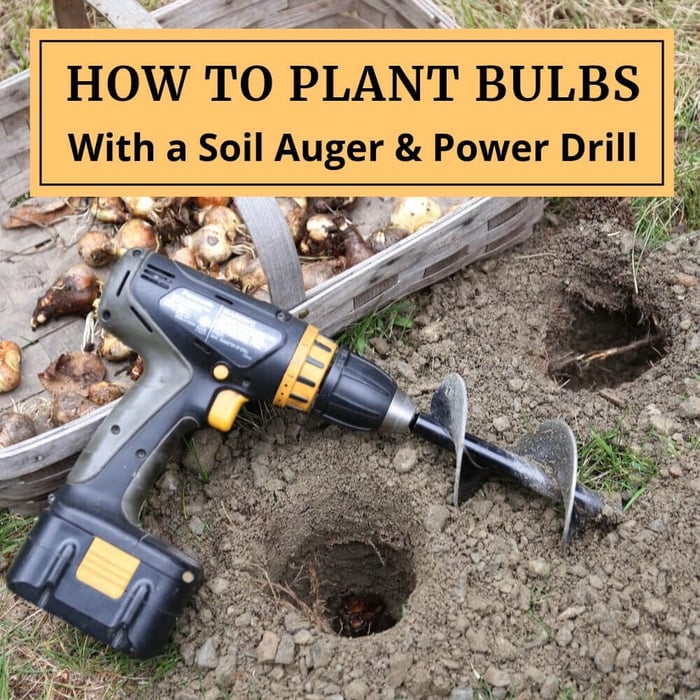
For simple home tasks, choose a lightweight cordless drill with moderate torque. Pair it with a small-diameter auger bit. This combo works well for planting or fence posts.
Look for drills with 18V batteries. They offer enough power and longer runtime. A 6 to 8-inch auger fits most DIY jobs without being too heavy.
Professional Grade Pairings
Professionals need strong drills with high torque and durable batteries. Pair heavy-duty cordless drills of 20V or more with large auger bits. This setup handles tough soil and long hours.
Brushless motors increase efficiency and tool life. Augers from 10 inches and above suit landscaping and construction work. This pairing ensures fast, clean holes every time.
Budget-friendly Options
For budget-conscious buyers, smaller drills with 12V to 16V batteries work well. Pair these with lightweight augers under 6 inches. This combo suits small garden projects and occasional use.
Look for brands offering good value and reliable performance. Basic cordless drills and simple augers provide decent power without high cost.
Credit: www.longfield-gardens.com
Modifications And Adaptations
Modifying a cordless drill to work with different augers can help expand your tool’s use. Many people want to know if they can fit any auger to their drill. The answer depends on the type of drill and auger you have. Some changes might be safe, but others can cause damage or be unsafe. Understanding how to adapt your drill and when to avoid changes is key.
Proper modifications can save money and add convenience. Poor changes, however, may lead to accidents or tool failure. Let’s explore safe ways to adapt your cordless drill for augers.
Using Adapters Safely
Adapters help connect different tools to your drill. They come in various sizes and shapes. Using the right adapter ensures a secure fit between the drill and auger. Always check the adapter’s material and strength. Choose adapters made for power tools to avoid breakage.
Make sure the adapter matches the drill’s chuck size. A loose adapter can cause the auger to wobble or slip. Tighten the chuck fully to hold the adapter in place. Use adapters only as the manufacturer directs. Avoid forcing parts that do not fit well.
Customizing Auger Attachments
Some users modify auger attachments to fit cordless drills better. This may include shortening the shaft or adding a custom handle. Use tools like grinders or files carefully. Keep the auger balanced and straight after changes. An unbalanced auger can strain the drill motor.
Test your customized auger on soft ground first. Watch for unusual noises or vibrations. Stop using it if you notice any problems. Safety should always come first during customization.
When Not To Modify
Not all augers fit or work well with cordless drills. Large or heavy augers often need specialized power tools. Modifying these can damage the drill or cause injury. Avoid changes if the auger requires too much torque or power.
Do not use cracked or worn parts for modifications. Weak components increase the risk of failure. If unsure, consult the tool’s manual or a professional. Sometimes, buying the right tool is safer than modifying.
Maintenance For Drill And Auger Sets
Proper maintenance keeps your drill and auger sets working well. It extends their life and improves performance. Regular care helps avoid costly repairs and downtime. Simple steps can protect your tools from wear and tear. Follow easy tips to keep your equipment ready for any task.
Cleaning And Storage
Remove dirt and debris after each use. Use a soft brush or cloth to clean the drill and auger. Avoid water contact to prevent rust. Store tools in a dry, cool place. Keep them away from moisture and dust. Use cases or covers for extra protection.
Lubrication Tips
Lubricate moving parts to reduce friction. Use light machine oil on drill chuck and auger joints. Apply oil sparingly and wipe off excess. Lubrication prevents rust and keeps parts smooth. Repeat this process regularly, especially after cleaning.
Troubleshooting Common Issues
Check the battery charge if the drill won’t start. Tighten loose parts to avoid wobbling. Clean the chuck if the bit slips. Replace worn or damaged bits for better drilling. Listen for unusual sounds to catch problems early. Regular checks help detect issues before they grow.

Credit: powerplanter.com
Frequently Asked Questions
Can Any Cordless Drill Fit Any Auger Attachment?
Not all cordless drills fit every auger attachment. Compatibility depends on chuck size and drive type. Always check your drill’s specifications before purchasing an auger to ensure a proper fit and safe operation.
What Drill Power Is Needed For Auger Use?
A cordless drill with at least 18 volts and high torque is ideal for auger use. Lower power drills may struggle with heavy soil or large auger bits, reducing efficiency and battery life.
Are Cordless Drills Effective For Digging Holes With Augers?
Cordless drills can effectively operate small to medium augers for light digging tasks. For large or tough soil holes, a more powerful drill or dedicated earth auger may be needed for better performance.
How Do I Attach An Auger To A Cordless Drill?
To attach an auger, align the auger shaft with the drill chuck, then tighten securely. Ensure the chuck size matches the auger shaft for a firm connection and safe use.
Conclusion
Not all cordless drills fit every auger. Check the drill’s chuck size first. Match it with the auger’s shaft for safety and performance. Using the wrong fit may cause damage or injury. Choose a drill with enough power to handle the auger’s work.
Take time to ensure compatibility before starting your project. This helps the job go smoothly and saves frustration. Always prioritize safety and proper use. A well-matched drill and auger make digging easier and faster.
