


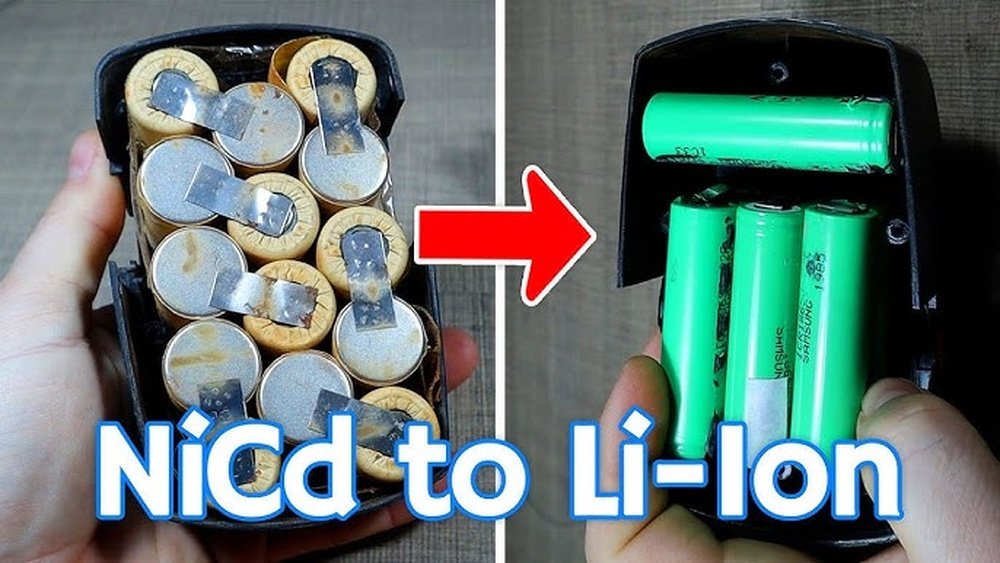
Are you wondering if you can replace your cordless drill’s old NiCd batteries with NiMH ones? It’s a question many tool users ask when their drill starts losing power or won’t hold a charge.
Choosing the right battery can make a big difference in how your drill performs and how long it lasts. You’ll discover what happens when you switch from NiCd to NiMH batteries, the benefits and risks involved, and how to make the best choice for your cordless drill.
Keep reading to find out if this swap is the upgrade your tool needs.

Credit: www.youtube.com
Battery Types For Cordless Drills
Cordless drills rely on batteries to deliver power without cords. Choosing the right battery type affects drill performance and lifespan. Two common battery types for cordless drills are Nickel-Cadmium (NiCd) and Nickel-Metal Hydride (NiMH). Each has unique features that impact use and replacement options.
Nickel-cadmium (nicd) Batteries
NiCd batteries have been popular in cordless drills for many years. They offer good power output and can handle high discharge rates. These batteries are durable and perform well in cold temperatures. NiCd batteries do have a memory effect, which reduces their capacity if not fully discharged regularly. They also contain toxic cadmium, requiring careful disposal.
Nickel-metal Hydride (nimh) Batteries
NiMH batteries are a newer option for cordless drills. They provide higher capacity than NiCd batteries, allowing longer run time. NiMH batteries have less memory effect, making them easier to maintain. They are lighter and more environmentally friendly than NiCd batteries. On the downside, NiMH batteries can be sensitive to heat and may have shorter lifespans if not cared for properly.
Comparing Nicd And Nimh
NiCd batteries deliver reliable power and last through many charge cycles. NiMH batteries offer longer run times and lighter weight. NiCd batteries require full discharge to avoid capacity loss. NiMH batteries tolerate partial charges better. NiMH batteries cost more but have less environmental impact. Choosing between them depends on drill compatibility and user needs.

Credit: www.amazon.com
Compatibility Issues
Replacing NiCd batteries with NiMH in cordless drills is not always simple. Compatibility issues often arise that affect performance and safety. Understanding these problems helps you make a better choice.
Voltage And Capacity Differences
NiCd and NiMH batteries have different voltage levels. NiMH batteries usually have a slightly higher voltage. This can affect the drill’s power and operation. Capacity also varies, with NiMH often holding more charge. Using a battery with the wrong voltage or capacity may damage the drill or reduce runtime.
Physical Size And Fit
NiMH batteries tend to be larger than NiCd cells. This size difference can make them hard to fit inside the drill’s battery compartment. A battery that does not fit properly may cause loose connections or fall out during use. Checking physical dimensions before replacing is important.
Charger Compatibility
Chargers designed for NiCd batteries may not work well with NiMH. Charging NiMH batteries with a NiCd charger can cause poor charging or battery damage. Some chargers have settings for both types, but many do not. Using the correct charger is necessary to keep batteries safe and lasting long.
Benefits Of Using Nimh Batteries
NiMH batteries offer several advantages over NiCd batteries. They provide better performance and longer use time. These batteries are also safer for the environment. Many users find NiMH batteries more reliable for cordless drills. They hold more charge and last longer during work.
Switching to NiMH batteries can improve your tool’s efficiency. They reduce the need for frequent charging. This saves time and effort on the job. NiMH batteries have fewer problems with memory effect. This means they keep their full capacity over time.
Longer Runtime
NiMH batteries hold more energy than NiCd batteries. This means your drill runs longer without stopping. You can finish more work before recharging. Longer runtime makes your cordless drill more useful. It helps you complete tasks faster and easier.
Less Memory Effect
Memory effect reduces battery capacity over time. NiCd batteries suffer more from this problem. NiMH batteries show much less memory effect. You can recharge them at any time without harm. This keeps the battery working well for longer. Less memory effect means less battery replacement.
Environmental Impact
NiMH batteries are safer for the environment. They contain fewer toxic metals than NiCd batteries. This reduces pollution and health risks. Recycling NiMH batteries is easier and cleaner. Using NiMH helps reduce hazardous waste. It supports a healthier planet and cleaner air.
Potential Drawbacks Of Switching
Switching your cordless drill’s NiCd batteries to NiMH types might seem like a good idea. Yet, some drawbacks exist that you should know before making the change. These issues can affect your drill’s performance and overall user experience.
Higher Self-discharge Rate
NiMH batteries lose charge faster than NiCd ones when not in use. This means your drill might be dead after sitting idle for a while. You may need to recharge NiMH batteries more often to keep the drill ready.
Cost Considerations
NiMH batteries usually cost more upfront than NiCd batteries. The price difference can matter if you need several battery packs. Also, not all chargers work with NiMH batteries, so you might need to buy a new charger too.
Performance Variations
NiMH batteries have different power output compared to NiCd batteries. This difference can cause your drill to run shorter or behave differently under heavy use. Some drills may not work well with NiMH batteries due to voltage changes.
Steps To Replace Nicd With Nimh
Replacing NiCd batteries with NiMH in your cordless drill can improve performance and battery life. The process requires careful steps to ensure compatibility and safety. Follow these simple steps to make the switch smoothly. Each step helps avoid damage and ensures your drill runs well.
Selecting The Right Battery Pack
Choose a NiMH battery pack that matches your drill’s voltage. Check the size to fit the battery compartment. Avoid packs with different connectors or shapes. Use the same number of cells or as close as possible. This keeps the drill working correctly and safely.
Testing Fit And Voltage
Insert the NiMH battery pack into the drill. Ensure it fits snugly without forcing. Use a multimeter to check the voltage output. It should be close to the original NiCd battery voltage. This step confirms the battery will power the drill properly.
Charging Best Practices
Use a charger designed for NiMH batteries only. NiMH chargers prevent overcharging and extend battery life. Avoid using NiCd chargers as they may damage NiMH cells. Charge the battery fully before the first use. Regularly recharge before the battery is completely empty.

Credit: www.eblofficial.com
Safety Precautions
Replacing NiCd batteries with NiMH in cordless drills requires careful attention to safety. Batteries store energy and can be dangerous if mishandled. Following safety rules helps avoid accidents and damage. Always treat batteries with respect and care. Learn key steps to keep safe during battery replacement and use.
Handling Batteries Safely
Wear gloves to protect your skin from leaks or chemicals. Keep batteries away from water and moisture. Avoid dropping or hitting batteries as they may break inside. Use tools carefully when removing old batteries. Do not force batteries into slots. Check for signs of damage like cracks or swelling before installation.
Avoiding Overheating
Do not charge batteries near heat sources or in direct sunlight. Use the charger made for NiMH batteries, not a NiCd charger. Stop charging if batteries get too hot or swell. Let batteries cool down before use or charging. Overheating can cause fires or reduce battery life. Monitor charging time and never leave batteries charging unattended.
Proper Disposal Of Old Batteries
Never throw old batteries in regular trash. NiCd batteries contain harmful chemicals that pollute the environment. Take old batteries to a recycling center or hazardous waste facility. Many stores offer battery recycling drop-off points. Proper disposal protects people and nature. Label old batteries clearly before disposal to avoid confusion.
Expert Tips For Maximizing Battery Life
Maximizing battery life is key when replacing NiCd batteries with NiMH in cordless drills. Proper care helps your battery last longer and work better. Follow expert tips to keep your batteries healthy and reliable.
Small actions make a big difference in battery performance. Store, maintain, and charge batteries the right way to avoid damage.
Storage Recommendations
Store batteries in a cool, dry place. Avoid extreme heat or cold, which can harm battery cells. Keep batteries partially charged, around 40-60%, for long storage. Do not leave batteries fully charged or empty for long periods.
Regular Maintenance
Clean battery contacts regularly with a dry cloth. Remove dust and dirt to ensure good connection. Run the battery down completely once a month to reduce memory effect. Avoid deep discharges often, as they can shorten battery life.
Using The Right Charger
Use a charger made for NiMH batteries only. Chargers for NiCd batteries may overcharge NiMH cells. Overcharging causes heat and reduces battery capacity. Follow the charger instructions and unplug when fully charged.
Frequently Asked Questions
Can Nimh Batteries Replace Nicd In Cordless Drills?
Yes, NiMH batteries can replace NiCd in most cordless drills. NiMH offers higher capacity and less memory effect, improving runtime and battery life. However, check your drill’s voltage and size compatibility before swapping batteries to ensure proper fit and performance.
Are Nimh Batteries Better Than Nicd For Drills?
NiMH batteries generally provide longer runtime and are more environmentally friendly than NiCd. They have less memory effect and higher energy density. However, NiCd batteries handle high discharge rates better and may last longer in extreme conditions.
Will Nimh Batteries Fit Nicd Battery Compartments?
NiMH batteries often have similar sizes to NiCd cells but may vary slightly. Check your drill’s battery compartment dimensions and connector type before replacing. Proper fit is essential to avoid loose connections or damage.
Do Nimh Batteries Require Different Chargers Than Nicd?
Yes, NiMH batteries typically need chargers designed specifically for NiMH chemistry. Using NiCd chargers can lead to improper charging, reducing battery life or causing damage. Always use a compatible charger for safety and optimal performance.
Conclusion
Replacing NiCd batteries with NiMH in cordless drills is possible but needs care. NiMH batteries hold more charge and last longer. They also weigh less, making drills easier to use. Check your drill’s voltage and size before swapping batteries. Using the wrong battery can harm your tool or cause poor performance.
Always buy quality batteries from trusted brands. Proper care helps batteries last and keeps your drill working well. Choose the right battery for better power and longer use. Simple steps can improve your drill experience.
