



Are you planning to fly with your cordless drill? You might be wondering if you can bring your drill batteries on the plane without any trouble.
Carrying batteries on flights can be tricky, and the rules aren’t always clear. But don’t worry—you’re about to find out exactly what you need to know to travel safely and avoid surprises at the airport. Keep reading to discover the simple steps that will keep your cordless drill batteries safe and allowed on your next trip.

Credit: www.youtube.com
Regulations For Cordless Drill Batteries
Carrying cordless drill batteries on a plane involves strict rules. These rules focus on safety because batteries can cause fire risks. Understanding these regulations helps avoid problems at the airport. Different organizations set guidelines for carrying these batteries during flights.
Faa Rules On Battery Transport
The Federal Aviation Administration (FAA) sets clear rules for battery transport. Lithium-ion batteries must be in carry-on baggage only. Spare batteries need to have their terminals taped or be in original packaging. Batteries over 100 watt-hours require airline approval. Damaged or recalled batteries are not allowed on planes.
Iata Guidelines For Airlines
The International Air Transport Association (IATA) provides global standards for airlines. IATA limits battery size and quantity per passenger. Batteries must be protected against short circuits and damage. Airlines often follow these guidelines to keep flights safe. Passengers should check with their airline before flying with batteries.
Variations By Country
Battery rules vary from country to country. Some countries have stricter limits on battery size. Others may ban certain types of batteries entirely. Airport security may apply additional checks for battery transport. Always check local regulations before traveling with drill batteries.
Types Of Batteries And Their Restrictions
Batteries power most cordless drills. Different types have different rules for air travel. Knowing these rules helps avoid problems at the airport. Airlines and safety authorities set strict limits on battery types and sizes. These limits aim to prevent fire risks during flights.
Lithium-ion Batteries
Lithium-ion batteries are common in cordless drills. They are lightweight and hold a lot of power. Airlines allow them but with size limits. Most rules say batteries must be under 100 watt-hours. Larger batteries need airline approval. Carrying spare lithium-ion batteries in carry-on bags is usually required. These batteries must be protected from short circuits.
Nickel-cadmium Batteries
Nickel-cadmium batteries are older but still used. They weigh more and have less capacity. These batteries face fewer restrictions than lithium ones. Airlines generally allow them in checked and carry-on baggage. Still, damaged or leaking batteries are not allowed. Proper packaging and protection remain important. Some airlines may have special rules, so check before flying.
Other Battery Types
Other types include nickel-metal hydride and alkaline batteries. These have fewer restrictions but must be safe. Alkaline batteries are usually allowed in checked and carry-on bags. Some rare batteries may be classified as hazardous. Always check airline policies for unusual batteries. Proper handling and packaging reduce risks during air travel.
Packing Batteries For Air Travel
Packing batteries for air travel needs care. Airlines have strict rules about batteries, especially cordless drill batteries. These batteries can be a safety risk if not packed properly. Knowing how to store and protect them keeps you and others safe. It also helps avoid delays at the airport. Follow these simple tips to pack your batteries right.
Safe Battery Storage Tips
Always keep batteries in a cool, dry place during travel. Avoid extreme heat or cold as it can damage the battery. Place batteries in your carry-on bag, not in checked luggage. This allows you to monitor them and follow airline rules. Keep spare batteries separate to prevent accidental short circuits.
Protecting Terminals
Battery terminals must be covered to avoid sparks. Use tape or terminal covers to block exposed contacts. This prevents the terminals from touching metal objects. Avoid loose batteries in your bag to stop accidental shorts. Proper terminal protection is key to safe travel.
Using Original Packaging
Keep batteries in their original packaging if possible. Original packaging is designed to protect batteries during shipping. It prevents movement and protects terminals from damage. If you don’t have original packaging, use a plastic container or battery case. Secure the batteries so they do not shift during the flight.
Carry-on Vs Checked Luggage Rules
Knowing the rules for carrying cordless drill batteries on a plane is important. Airlines and security have strict guidelines. These rules differ for carry-on and checked luggage. It is safer and usually required to keep batteries in carry-on bags. Understanding these differences helps avoid problems at the airport.
Batteries Allowed In Carry-on
Most airlines allow cordless drill batteries in carry-on bags. These batteries must be lithium-ion type and within size limits. Usually, batteries up to 100 watt-hours (Wh) are allowed without special approval. Larger batteries may need airline permission. Carrying batteries in the cabin lets security staff check them easily. It also reduces fire risks in the cargo hold.
Restrictions In Checked Bags
Checked luggage rules are stricter for cordless drill batteries. Many airlines forbid lithium-ion batteries in checked bags. This is due to fire hazards if batteries short-circuit or overheat. Some airlines allow batteries installed in tools, but spare batteries are often banned. Packing batteries in checked baggage can lead to confiscation or fines. Always check specific airline policies before packing batteries in checked bags.
Airline-specific Policies
Each airline may have unique rules for cordless drill batteries. Some airlines allow higher watt-hour limits. Others require batteries to be protected against short circuits. Airline websites provide the most accurate and updated information. Calling customer service can clarify any doubts. Checking these policies saves time and stress at the airport.
Preparing For Security Checks
Preparing for security checks is important when traveling with cordless drill batteries. These batteries have specific rules at airports. Knowing what to expect helps avoid delays and confusion. You can make the process smooth by following a few simple steps.
What To Expect At Tsa
TSA officers will ask you to remove batteries from your drill. They may need to inspect each battery carefully. Batteries must be placed in a separate bin for screening. This allows the officers to check them safely. Your drill may also go through the X-ray machine without the batteries.
Declaring Batteries If Required
Some airports ask travelers to declare lithium batteries. Check the airline rules before your flight. If required, inform the security staff about your cordless drill batteries. You may fill out a form or show the batteries for inspection. Being honest helps avoid problems during security checks.
Handling Questions From Security
Security officers might ask about the battery type and size. Answer clearly and calmly. Explain the batteries power capacity if asked. Show any documentation if available. Staying polite and cooperative speeds up the process. It also ensures your batteries are allowed on the plane.
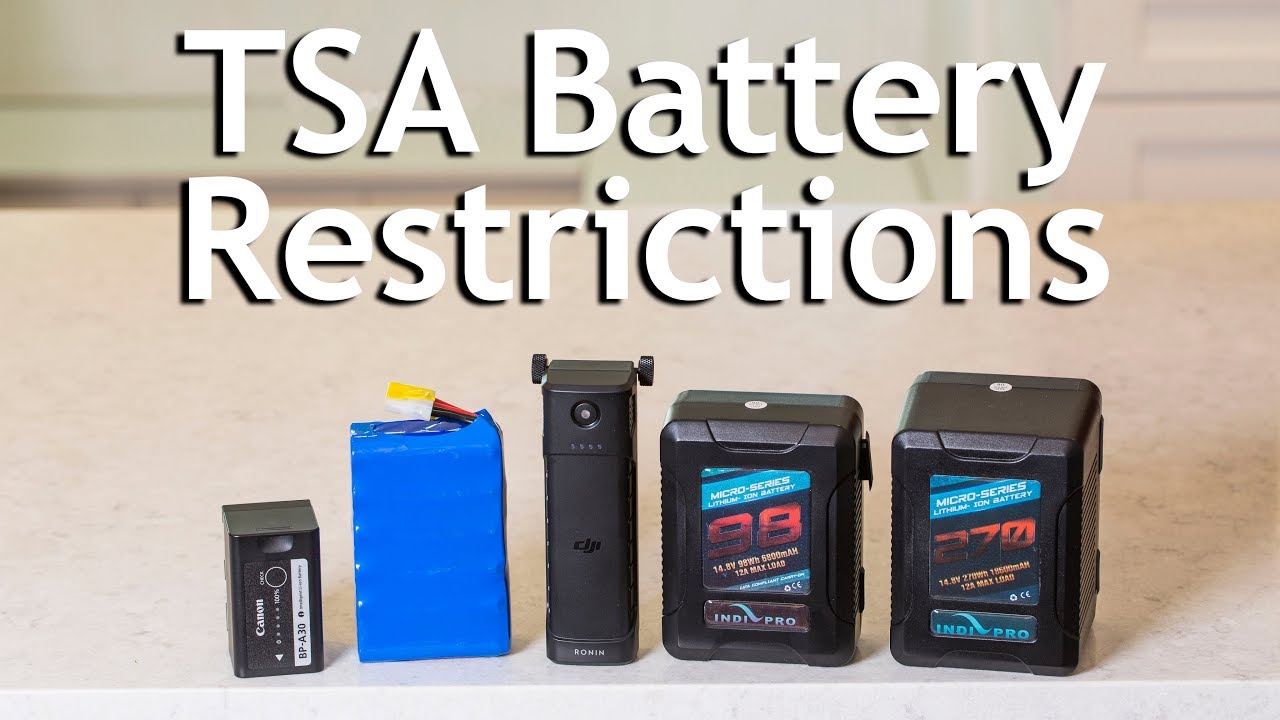
Credit: www.youtube.com
Alternative Options For Traveling With Drills
Traveling with cordless drills can be tricky due to airline rules on batteries. Many airlines restrict carrying lithium-ion batteries on planes. This can cause problems if you need your drill for work or projects. Luckily, there are simple ways to manage this issue without losing access to your tools.
Here are some practical alternatives to bring your drill or still get your job done at your destination.
Shipping Batteries Separately
One option is to ship your batteries by mail. Send them ahead to your destination instead of carrying them on the plane. Use a trusted courier that handles batteries safely. Pack batteries in original packaging or with protective covers. This reduces risk and meets shipping rules. Shipping separately avoids airline restrictions and keeps your batteries safe.
Renting Tools At Destination
Renting a drill at your destination saves the hassle of traveling with batteries. Many hardware stores offer drill rentals for short-term use. This option is cost-effective and easy. It means no worries about battery rules or extra luggage. Just rent the tool, use it, and return it after your project ends.
Using Battery Alternatives
Some cordless drills work with different battery types. Check if your drill supports safer or airline-friendly batteries. Nickel-metal hydride (NiMH) batteries, for example, have fewer restrictions. Another option is using a corded drill if power outlets are available. These alternatives help avoid airline bans and keep your tools ready for use.
Troubleshooting Common Issues
Carrying cordless drill batteries on planes can cause some common problems. Knowing how to fix these issues helps keep your trip smooth. Handling battery rules, airline differences, and battery damage are key points. Here are ways to solve these troubles quickly.
Dealing With Battery Confiscation
Security may take your batteries at checkpoints. This happens if batteries do not meet safety rules. Always carry batteries in your carry-on bag. Remove batteries from the drill before screening. Carry a copy of the battery’s safety data sheet. Ask the officer politely for advice. Sometimes, explaining helps get the batteries back.
Resolving Airline Policy Conflicts
Airlines have different rules for batteries. Check your airline’s website before packing. Call customer service if policies are unclear. Some airlines limit battery size or quantity. Pack only allowed batteries to avoid problems. Keep batteries in original packaging if possible. This shows the batteries are safe and tested.
Handling Damaged Batteries
Damaged batteries are not allowed on planes. Inspect batteries for cracks or leaks before travel. Do not carry batteries that look swollen or broken. Replace damaged batteries with new ones. Contact your airline if you find damage at the airport. They will guide you on the next steps. Safety must come first for all travelers.

Credit: www.ingco.com
Frequently Asked Questions
Can You Carry Cordless Drill Batteries On A Plane?
Yes, you can carry cordless drill batteries on a plane. However, they must be in carry-on luggage. Airlines restrict lithium batteries due to fire risks. Check airline rules before traveling to ensure compliance with battery size and packaging.
Are There Restrictions On Lithium Batteries In Carry-on Bags?
Yes, lithium batteries must meet size and watt-hour limits. Most airlines allow batteries under 100Wh without approval. Larger batteries require airline permission. Carry batteries in original packaging or insulated to prevent short circuits.
Can Cordless Drill Batteries Be Checked In Luggage?
No, cordless drill batteries with lithium content are not allowed in checked luggage. This is due to fire hazards. Always carry these batteries in your carry-on bag for safety and compliance with airline regulations.
How Should You Pack Cordless Drill Batteries For Flights?
Pack batteries in original packaging or cover terminals with tape. Place batteries in a separate plastic bag to avoid contact with metal objects. Follow airline guidelines for battery quantity and size to ensure safe transport.
Conclusion
Carrying cordless drill batteries on a plane requires careful planning. Airlines and security have strict rules for lithium batteries. Always check the battery size and airline policies before packing. Keep batteries in carry-on luggage, not checked bags. Protect battery terminals to prevent short circuits.
Being prepared helps avoid delays and extra fees. Travel smart by following safety guidelines for batteries. This keeps you and others safe during your flight.
