


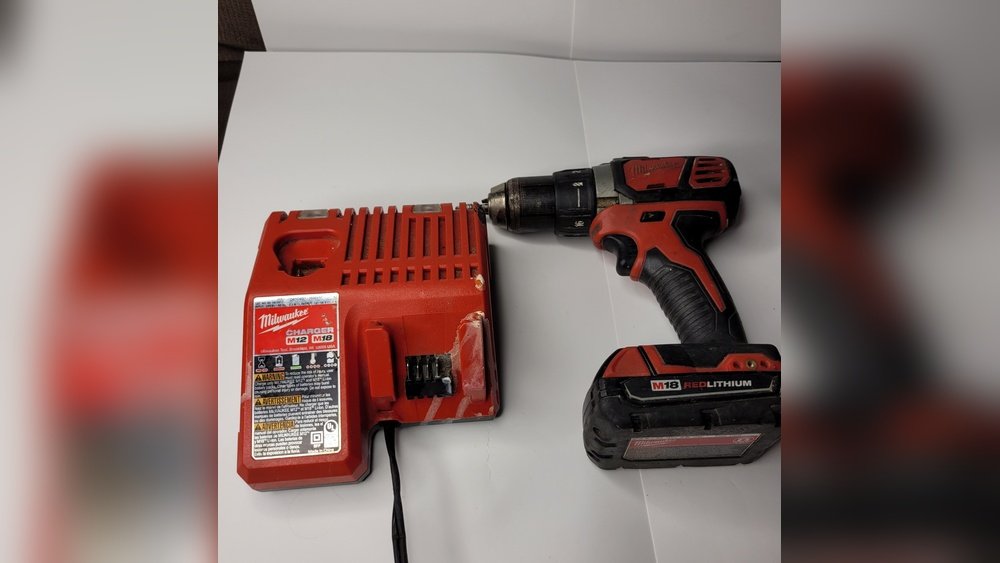
Have you ever found yourself caught outside with your cordless drill just as the rain starts pouring? You might wonder, “Can I keep working, or will I ruin my tool?”
The answer isn’t as simple as you think. Using your cordless drill in wet conditions could save you time, but it could also put your safety and your drill at risk. Before you grab that drill and head back out, it’s important to know what to watch for and how to protect both yourself and your equipment.
Keep reading to discover the truth about using a cordless drill in the rain—and how to make smart choices every time.

Credit: rainonatinroof.com
Risks Of Using Drills In Wet Conditions
Using a cordless drill in wet conditions can cause several risks. Water and electricity do not mix well. The wet environment can lead to serious problems for both the tool and the user. Understanding these risks helps you stay safe and protect your drill.
Electrical Hazards
Water can cause electrical short circuits inside the drill. This may lead to sparks or even electric shock. Even cordless drills have batteries and wiring that water can damage. Wet conditions increase the chance of electric shock. This can harm the person using the drill.
Damage To The Drill
Water can enter the drill’s motor and battery compartment. This can cause rust and corrosion over time. The drill may stop working properly or break completely. Wet parts inside the drill reduce its lifespan. Repairs can be costly or impossible.
Personal Injury Risks
Slippery surfaces increase the chance of losing control of the drill. Water can make the drill handle slippery and hard to grip. This can cause accidents or injuries. Wet conditions also make it harder to see clearly. Mistakes with the drill may lead to cuts or bruises.

Credit: www.ebay.com
Cordless Drill Design And Water Exposure
Cordless drills are popular tools for many tasks. Their design focuses on power and ease of use. But water exposure can cause problems. Understanding their design helps to know if they work in rain. Safety and tool life depend on how well they handle moisture.
Most cordless drills are not made for wet conditions. Water can reach sensitive parts inside. This can cause short circuits or rust. Knowing the drill’s water resistance can prevent damage.
Battery And Motor Protection
The battery and motor are the most sensitive parts. Manufacturers often add seals around these areas. These seals help keep out small amounts of water. But they are not full waterproof barriers. Water inside can cause the battery to fail. The motor can also burn out if wet. Protection is basic, not for heavy rain use.
Water-resistant Features
Some drills come with water-resistant labels. This means they can handle light splashes or brief rain. Rubber covers on switches block water entry. Special coatings protect metal parts from rust. These features reduce damage from small moisture exposure. Still, they do not make the drill safe for heavy rain or soaking.
Limitations Of Cordless Drills
Cordless drills have limits in wet places. They are not built to work underwater. Prolonged exposure to rain can cause permanent damage. Electrical shorts or corrosion happen if water enters. Safety risks increase if used in heavy rain. Always check the manual for water exposure advice. Use extra caution with cordless drills near water.
Safety Tips For Using Drills In The Rain
Using a cordless drill in the rain needs extra care. Water and electric tools do not mix well. Following simple safety tips helps prevent accidents and damage. Protect yourself and your drill with these easy steps.
Check Weather Conditions
Always look at the weather forecast before starting work. Avoid drilling outside if heavy rain or storms are expected. Light rain might be okay but keep an eye on the sky. Stop working immediately if rain gets stronger.
Use Protective Gear
Wear rubber gloves to keep your hands dry and safe. Use non-slip shoes to avoid slipping on wet surfaces. Consider waterproof clothing to stay comfortable and focused. Safety glasses protect your eyes from splashes and debris.
Keep Equipment Dry
Dry your drill before use and after every break. Use a waterproof cover or plastic bag to protect the drill. Store batteries in a dry place only. Avoid placing the drill on wet surfaces to prevent damage.
Work In Covered Areas
Find a shelter or use a canopy when possible. Working under cover keeps you and your drill dry. It also helps maintain good visibility and control. Covered areas reduce the risk of slipping or electrical hazards.
Alternatives For Wet Weather Drilling
Drilling in wet weather needs special care. Using the wrong tools can be unsafe. Some drills are not made for rain or damp conditions. Choosing the right option keeps you safe and gets the job done.
Here are some good alternatives for drilling when it is wet outside. These tools and tips help avoid accidents and damage to your equipment.
Wired Drills With Gfci
Wired drills with GFCI (Ground Fault Circuit Interrupter) offer better safety. GFCI stops electricity if it senses a problem. It reduces the risk of electric shock. Use an outdoor-rated extension cord. Keep cords dry and off wet ground. This setup works better than cordless drills in rain.
Manual Drilling Tools
Manual tools need no power and work well in wet weather. Tools like hand drills and braces help you drill small holes. They take more effort but stay safe in rain. No worries about electricity or batteries failing. Manual tools are quiet and simple to use.
Postponing The Job
Sometimes, the best choice is to wait. Postpone drilling until the rain stops. Wet surfaces and tools can cause accidents. Waiting keeps you safe and protects your drill. Check the weather forecast before starting. Plan your work for dry days if possible.
Maintaining Your Drill After Rain Exposure
Maintaining your cordless drill after it gets wet is very important. Rain can cause damage to the tool if not taken care of quickly. Proper care helps keep the drill working for a long time. Simple steps can protect your drill from rust and electrical problems. Here are key tips to follow after rain exposure.
Cleaning And Drying Procedures
First, wipe off all water from the drill’s surface. Use a dry cloth to remove moisture. Avoid using heat or direct sunlight to dry the drill. Let it air dry in a warm, dry place. Open any covers or compartments to let air flow inside. This helps remove hidden dampness. Do not try to use the drill while it is still wet.
Inspecting For Damage
Look closely for cracks or rust spots on the drill. Check the drill bit and chuck for dirt or corrosion. Inspect the power switch and vents for any signs of water entry. If you see rust or damage, stop using the drill. Consider professional repair to avoid safety risks. Always test the drill carefully before next use.
Battery Care Tips
Remove the battery after using the drill in rain. Wipe the battery contacts with a dry cloth. Store the battery in a dry, cool place. Avoid charging a wet or damp battery. Let the battery dry completely before putting it back or charging. Proper battery care extends its life and keeps it safe.
Credit: www.milwaukeetool.com
Frequently Asked Questions
Can You Safely Use A Cordless Drill In The Rain?
Using a cordless drill in the rain is not recommended. Water can damage the drill’s electrical components and battery. It also increases the risk of electric shock or injury. Always use cordless drills in dry conditions or under a protective cover to ensure safety and tool longevity.
What Happens If A Cordless Drill Gets Wet?
If a cordless drill gets wet, water can short-circuit its electrical parts. This may cause the drill to malfunction or stop working. Moisture can also damage the battery and internal wiring, leading to permanent damage or reduced performance. Dry and inspect the drill before use after exposure.
Are Cordless Drills Waterproof Or Water-resistant?
Most cordless drills are not waterproof or fully water-resistant. Some models may have limited water resistance, but they are not designed for wet conditions. Always check the manufacturer’s specifications. Avoid using cordless drills in rain or wet environments unless explicitly rated for it.
How Can I Protect My Cordless Drill From Rain?
To protect your cordless drill from rain, use a waterproof cover or work under a shelter. Store the drill in a dry place when not in use. Avoid exposing it to moisture and clean it thoroughly if it gets wet.
Proper care extends the tool’s lifespan and reliability.
Conclusion
Using a cordless drill in the rain is not safe. Water can damage the drill and cause electric shock. Always keep your tools dry for best results. Wait for dry weather to protect your drill and yourself. Taking care of your tools helps them last longer.
Stay safe and work smart by avoiding wet conditions. Safety should always come first on any project.
