


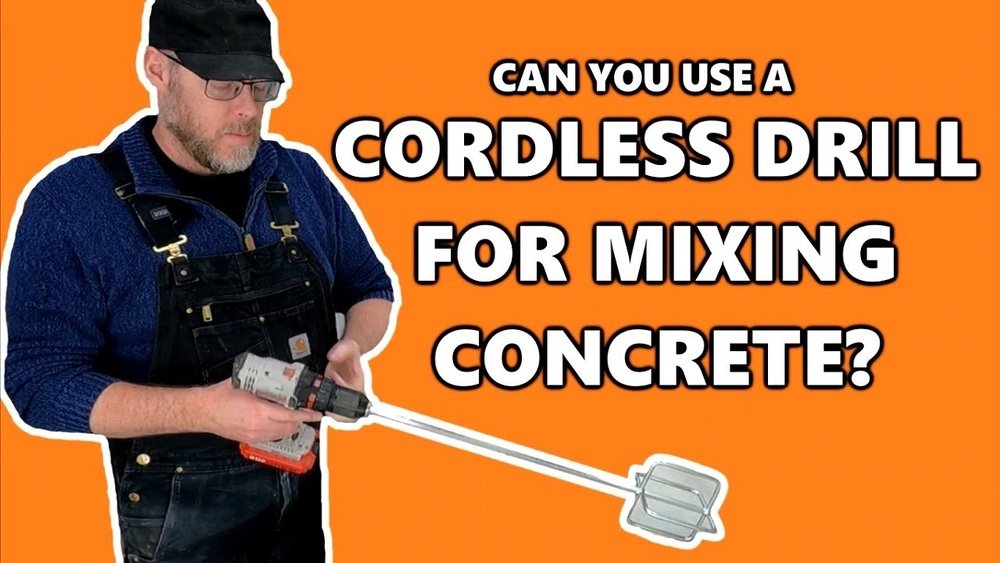
Are you wondering if your cordless drill can do more than just screw in bolts? What if it could help you mix plaster quickly and easily?
Using a cordless drill to mix plaster might save you time and effort, but is it the right tool for the job? You’ll discover the pros and cons, plus smart tips to get the best results. Keep reading—you might just unlock a simple trick that makes your next plaster project smoother and faster.

Credit: www.collomix.com
Choosing The Right Drill
Choosing the right drill is important for mixing plaster properly. Not all cordless drills can handle the thick and heavy plaster mixture. The right drill makes the job easier and faster. This section explains key features to check before picking a drill.
Cordless Drill Power Requirements
Power matters when mixing plaster. The drill must have enough torque to spin the mixer without stopping. Look for drills with at least 18 volts. Higher voltage drills provide stronger power. This helps mix plaster smoothly without straining the motor.
Drill Speed Settings
Speed control is important for mixing plaster well. The drill should have multiple speed settings. Start mixing at low speed to avoid splashing. Increase speed gradually for a consistent mix. Variable speed gives better control over the mixing process.
Battery Life Considerations
Long battery life is useful for mixing plaster. Mixing can take time and drain batteries fast. Choose drills with high-capacity batteries. Spare batteries can help keep work going without interruption. A reliable battery ensures smooth mixing from start to finish.
Selecting A Mixing Attachment
Selecting the right mixing attachment is key when using a cordless drill to mix plaster. The correct paddle helps blend materials evenly and saves effort. Choosing the wrong one might cause poor mixing or damage the drill.
Understanding different paddle types and their uses ensures better results. Also, knowing how to install the attachment safely makes the job easier and faster.
Types Of Mixing Paddles
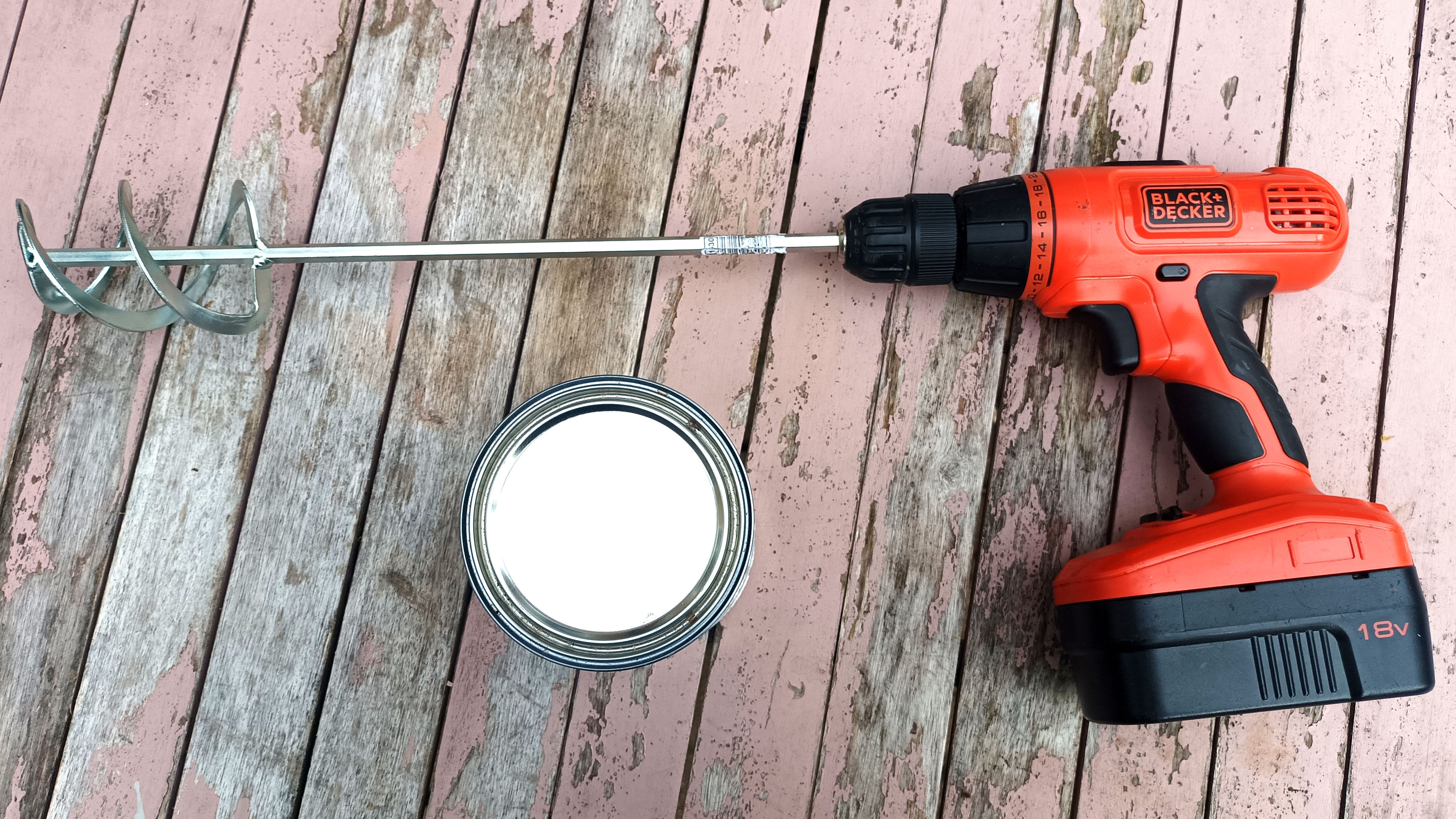
There are several mixing paddle types for plaster and other materials. Spiral paddles create a strong swirling motion, ideal for thick plaster. Cage paddles have open frames, good for light mixing tasks. Flat paddles work well for thin mixtures and paint. Pick a paddle that matches your plaster’s thickness and consistency.
Compatibility With Cordless Drills
Not all mixing paddles fit every cordless drill. Check the paddle shaft size and the drill chuck size. Most drills accept 1/4 inch to 3/8 inch shanks. Use adapters if needed to ensure a secure fit. Overloading a low-power drill can reduce battery life and cause overheating.
Attachment Installation Tips
Always unplug or remove the battery before installing a paddle. Insert the paddle shaft fully into the drill chuck. Tighten the chuck firmly to avoid slipping during mixing. Test the attachment at low speed first. Wear gloves and safety glasses to protect yourself while working.
Preparing Plaster For Mixing
Preparing plaster correctly ensures a smooth and strong finish. Mixing plaster needs care and the right materials. Using the right tools helps get the best results. A cordless drill can make mixing easier and faster. Before mixing, understand the plaster type and water ratio.
Proper preparation avoids lumps and weak patches. It also saves time and effort during application. Follow simple steps to get plaster ready for use.
Recommended Plaster Types
Choose plaster suitable for your project. Common types include gypsum plaster, lime plaster, and cement plaster. Gypsum plaster dries fast and is easy to work with. Lime plaster is strong and good for outdoor use. Cement plaster is durable and water-resistant. Select plaster that matches your wall or ceiling needs.
Water-to-plaster Ratios
Mix plaster with the right water ratio. Too much water makes plaster weak and runny. Too little water makes it hard to spread. A common ratio is 2 parts plaster to 1 part water. Always check the plaster package for exact instructions. Add water slowly while mixing with the drill. Stop adding water when the mix is smooth and creamy.
Safety Precautions
Wear safety goggles to protect your eyes. Use gloves to keep your hands safe. Mix plaster in a well-ventilated area. Avoid breathing plaster dust by wearing a mask. Keep the drill steady to prevent splashes. Clean tools immediately after use to avoid hardening. Follow safety steps to protect yourself and work better.
Mixing Techniques With A Cordless Drill
Mixing plaster with a cordless drill is a helpful method for many DIY projects. Using the right mixing techniques makes the process easier and improves the plaster’s quality. Proper handling of the drill and plaster ensures smooth and even mixing without waste.
Proper Mixing Speed
Set the drill to a low or medium speed. High speeds create splashes and mess. Slow speed allows the plaster to blend well. It also prevents the drill from overheating. Keep the speed steady for best results.
Avoiding Air Bubbles
Mix plaster gently to avoid air bubbles. Fast mixing traps air inside the mixture. Air bubbles weaken the plaster and cause cracks. Move the drill in a circular motion. Do not lift the drill while mixing.
Mixing Duration
Mix plaster for about 2 to 3 minutes. Mixing too long dries the plaster. Too short leaves lumps inside. Check the plaster’s texture often. Stop mixing when it is smooth and creamy.
Common Challenges And Solutions
Using a cordless drill to mix plaster can bring some challenges. These challenges can slow down work or cause damage. Knowing the common problems helps you avoid them. Simple solutions keep the drill running smooth. This section covers key issues and fixes for mixing plaster with a cordless drill.
Drill Overheating Issues
Mixing plaster makes the drill work hard. This can cause the drill to heat up quickly. Overheating may damage the motor and reduce drill life. To stop this, take breaks often. Let the drill cool after a few minutes of mixing. Use a lower speed setting to reduce heat. Choose a drill with a strong motor for tough jobs.
Handling Thick Plaster Mixes
Plaster can be thick and sticky. It may strain the drill and slow mixing. Thick mixes need more power and control. Start mixing slowly to avoid splashing. Use a paddle mixer attachment made for thick materials. If the drill struggles, add a little water to the plaster. This makes mixing easier and protects the drill.
Preventing Drill Damage
Plaster dust and water can harm the drill. Keep the drill dry and clean during work. Use a drill with a sealed motor to stop dust entry. Wipe the drill after each use to remove plaster bits. Avoid forcing the drill if it stops or jams. Protect the battery by not running the drill too long at once.

Credit: www.reddit.com
Maintenance After Mixing
Using a cordless drill to mix plaster is very helpful. After mixing, it needs good care. Proper maintenance keeps your drill working well for a long time. It also helps avoid damage and saves money. Follow simple steps for cleaning, storage, and care.
Cleaning The Drill And Attachments
Remove plaster from the drill and mixing attachments right after use. Use a damp cloth to wipe the drill body. Avoid water inside the drill to stop damage. Clean the mixing paddle with water until no plaster remains. Let all parts dry completely before storing.
Storage Tips
Store your cordless drill in a dry place. Keep it away from dust and moisture. Use the original case if possible. Avoid leaving the drill in direct sunlight or cold areas. Store the battery separately if you won’t use the drill soon.
Extending Tool Life
Charge the battery properly and do not overcharge. Check the drill for loose screws or damage before each use. Avoid using the drill for heavy mixing for long periods. Let the drill rest to prevent overheating. Regular care helps your drill last longer and work better.
Alternative Tools For Mixing Plaster
Mixing plaster requires the right tools to get a smooth, even consistency. Using alternative tools can help make the job easier and faster. Some tools work better depending on the amount of plaster and your workspace.
Corded Drills
Corded drills offer steady power and constant speed. They handle thick plaster mixes without losing strength. These drills often have variable speed controls for better mixing. A mixing paddle attached to a corded drill can blend plaster smoothly. They are ideal for larger jobs where battery life matters.
Dedicated Mixing Machines
Dedicated mixing machines are built just for mixing plaster and other materials. They have strong motors and special paddles for thorough mixing. These machines save time and effort on big projects. You can set the speed for a perfect plaster texture. They are common in professional construction and renovation work.
Manual Mixing Options
Manual tools include mixing paddles and buckets. Stirring plaster by hand takes time but gives good control. These tools are best for small jobs or tight spaces. They do not require electricity or batteries. Manual mixing lets you feel the plaster’s consistency directly.
Credit: www.homebuilding.co.uk
Frequently Asked Questions
Can A Cordless Drill Effectively Mix Plaster?
Yes, a cordless drill can effectively mix plaster when fitted with the right mixing attachment. It saves time and effort compared to manual mixing.
What Drill Speed Is Best For Mixing Plaster?
Use a low to medium speed setting on your cordless drill. High speeds can cause splashing and uneven mixing of plaster.
Is A Cordless Drill Safe For Plaster Mixing?
Yes, a cordless drill is safe for mixing plaster if used properly. Ensure the mixer is secure and avoid overloading the drill.
What Type Of Mixer Attachment Works With Cordless Drills?
A paddle mixer attachment designed for drills works best. It evenly blends plaster and fits most standard cordless drill chucks.
Conclusion
Using a cordless drill to mix plaster works well for small jobs. It saves time and effort compared to mixing by hand. Make sure to use the right drill speed and a proper mixing attachment. Avoid overloading the drill to keep it safe and effective.
This method suits light to medium plaster mixes. For bigger projects, a more powerful mixer might be better. Overall, a cordless drill can be a helpful tool for mixing plaster quickly and easily. Simple, fast, and practical.
