



Have you ever wondered if you can use a cordless drill underwater? It sounds like a handy idea, especially if you’re working on projects near pools, boats, or underwater repairs.
But before you dive in, there are important things you need to know. Using a cordless drill underwater isn’t as simple as it seems, and getting it wrong could damage your tool—or even put you at risk. Keep reading to discover the truth about cordless drills and water, and learn how to protect both yourself and your equipment.
Cordless Drills And Water Exposure
Cordless drills are popular for their ease and mobility. They are designed for use in dry conditions. Water exposure can cause serious problems for these tools. Using a cordless drill underwater is risky and not recommended. Understanding how water affects the drill helps prevent damage and accidents.
Risks Of Using Power Tools Underwater
Water can cause electric shock to the user. Power tools are not waterproof by default. Water can short-circuit the drill’s motor and battery. This leads to permanent damage or failure. The drill can slip easily when wet, causing injuries. Rust and corrosion start quickly on wet parts. Safety hazards increase greatly under water exposure.
How Water Affects Drill Components
Water damages the battery and electrical wiring inside. The motor can seize up from moisture. Water causes corrosion on metal parts, reducing lifespan. The drill’s internal circuits can short and stop working. Plastic parts may weaken or crack due to water. Overall, water exposure reduces the drill’s performance and reliability.
Safety Precautions For Underwater Use
Using a cordless drill underwater demands careful safety steps. Water and electricity do not mix well. Taking the right precautions helps avoid accidents. Safety is the top priority before starting any underwater drilling task.
Essential Protective Gear
Always wear a waterproof diving suit to stay dry. Use gloves made for underwater work to protect your hands. Goggles or a diving mask keep your eyes safe from debris. A helmet with a face shield adds extra protection. Proper gear reduces the risk of injury and keeps you comfortable.
Battery Safety Measures
Only use drills designed for underwater use with sealed batteries. Check the battery casing for cracks or damage before use. Avoid charging batteries near water to prevent electric shocks. Use battery packs with built-in safety features like waterproof seals. Remove batteries immediately if you notice water inside the drill. Follow manufacturer guidelines strictly to keep batteries safe underwater.
Drill Models Suitable For Wet Conditions
Choosing the right drill for wet conditions matters a lot. Not all drills can handle water exposure. Some models can resist moisture, while others can work underwater for a short time. Knowing the difference helps protect your tools and finish your tasks safely.
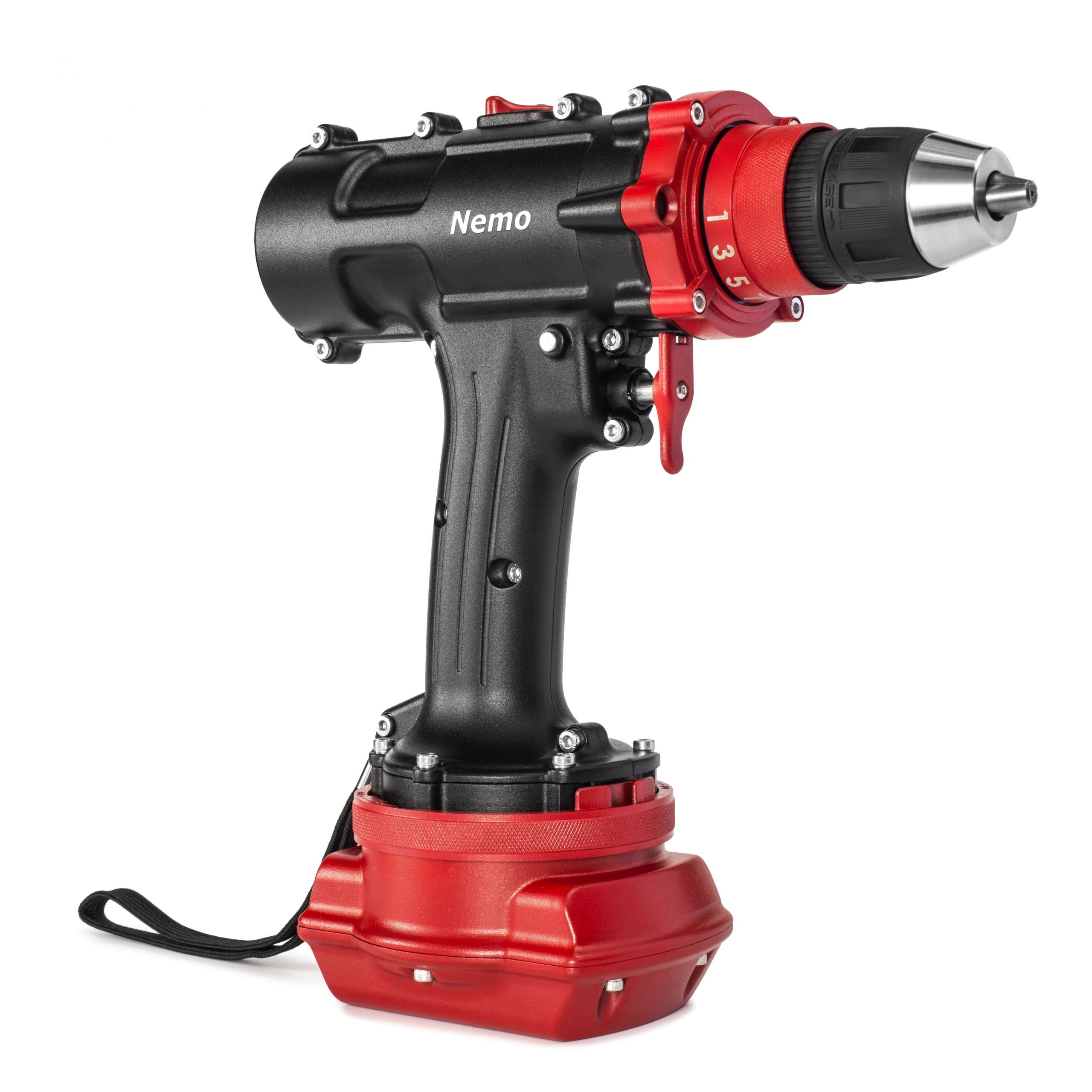
This section explains which drill models suit wet environments. It covers water resistance and waterproof features. Also, it lists top cordless drills that perform well in damp places.
Water-resistant Vs Waterproof Drills
Water-resistant drills can handle light splashes or rain. They have seals that stop small amounts of water from entering. These drills are not for full water exposure. Avoid using them underwater or in heavy wet conditions.
Waterproof drills can survive deeper water and longer exposure. They have stronger seals and special designs. Waterproof models allow short underwater work or heavy rain use. Check the drill’s IP rating for its water protection level.
Top Cordless Drills For Damp Environments
Look for cordless drills with high IP ratings. IP54 or higher means good water and dust protection. Brands like DeWalt, Makita, and Bosch offer models made for wet areas. These drills resist moisture and keep working well.
Choose drills with rubber seals and covered ports. They prevent water from damaging internal parts. Lightweight and compact cordless drills also work better in wet spots. They reduce slipping risks and improve control.
Credit: nemopowertools.com
Techniques For Underwater Drilling
Drilling underwater requires special techniques to keep the drill safe and work effective. Water can harm tools not made for it. Proper steps help prevent damage and improve results.
Using the right methods makes underwater drilling easier and safer. Understanding these basics is key before starting any underwater project.
Preparing The Drill For Submersion
Choose a cordless drill with water resistance or waterproof features. Seal all openings to stop water entry. Use waterproof tape or special covers on battery compartments. Remove the battery if possible and keep it dry. Check drill parts for rust or wear before use. Lubricate moving parts with water-safe oil to avoid corrosion.
Proper Handling And Operation Tips
Hold the drill firmly to control it underwater. Move slowly to avoid losing grip or causing damage. Use a drill bit made for underwater or masonry work. Clear debris regularly to keep the drill bit sharp. Keep the drill perpendicular to the surface for straight holes. Work in short bursts to prevent overheating and water damage. Rinse the drill with fresh water after use to remove salt or dirt.
Maintenance After Underwater Use
Using a cordless drill underwater needs extra care after use. Water can cause damage inside the tool. Proper maintenance keeps the drill working well for a long time. It also helps avoid rust and battery problems. Follow clear steps to clean and store the drill safely.
Cleaning And Drying Procedures
Start by rinsing the drill with clean water. Remove any dirt or salt left on the surface. Use a soft cloth to wipe the drill gently. Avoid spraying water directly into air vents or battery compartments.
Dry the drill with a dry cloth. Let it air dry in a warm, dry place for several hours. Do not use heat sources like a hairdryer. Make sure the drill is completely dry before storage or next use.
Battery Care And Storage
Remove the battery from the drill after use. Wipe the battery contacts with a dry cloth. Avoid letting water stay on the battery for long.
Charge the battery fully before storing. Store batteries in a cool, dry place. Keep them away from direct sunlight and moisture. Check battery health regularly to ensure good performance.

Credit: underwaterhydraulics.com
Alternatives To Cordless Drills Underwater
Using a cordless drill underwater is not safe or practical. Water can damage the drill’s motor and battery. It also creates a risk of electric shock. Professionals and hobbyists need other tools for underwater drilling tasks. There are several good alternatives designed for wet conditions.
Specialized Underwater Drilling Tools
Special tools exist for drilling under water. These tools have waterproof motors and sealed batteries. They allow safe operation in wet environments. Some use hydraulic or pneumatic power instead of electricity. These methods avoid electric hazards completely. Such tools are common in marine construction and repairs. They offer precision and strength needed underwater. These tools are built to resist pressure and corrosion. They provide reliable performance where cordless drills fail.
Manual Tools For Wet Projects
Manual tools work well for small underwater jobs. Hand drills and brace drills can be used safely underwater. They do not need power or batteries. Users control the speed and pressure manually. These tools are simple, durable, and easy to handle. They require more effort but are effective. Ideal for light tasks like drilling holes in wood or plastic. Manual tools avoid all electrical risks. Good for hobbyists and occasional underwater projects.

Credit: www.ebay.com
Frequently Asked Questions
Can You Safely Use A Cordless Drill Underwater?
No, standard cordless drills are not designed for underwater use. Water can damage the motor and battery, causing malfunction or electric shock risk. Always use tools specifically rated for wet environments to ensure safety and proper operation.
What Happens If A Cordless Drill Gets Wet?
If a cordless drill gets wet, it may short-circuit or corrode internally. This can lead to permanent damage and pose safety hazards. Immediate drying and inspection are essential, but the drill often requires professional servicing or replacement.
Are There Cordless Drills Designed For Underwater Use?
Specialized cordless drills with waterproof ratings do exist for underwater tasks. These tools have sealed components to prevent water ingress. Always check the manufacturer’s specifications to confirm suitability for underwater applications before use.
Can Water Damage Cordless Drill Batteries?
Yes, water exposure can damage cordless drill batteries. It may cause short circuits, reduced battery life, or complete failure. Proper sealing and waterproofing are necessary for battery safety in wet conditions.
Conclusion
Using a cordless drill underwater is not safe or recommended. Water can damage the drill’s motor and battery quickly. Most drills are not built to handle wet conditions. Special waterproof tools exist for underwater tasks. Always choose the right tool for the job to stay safe.
Avoid risks by keeping electric tools dry. Safety matters more than convenience. Think twice before trying to use a cordless drill underwater. Protect your tools and yourself by using them properly.
