


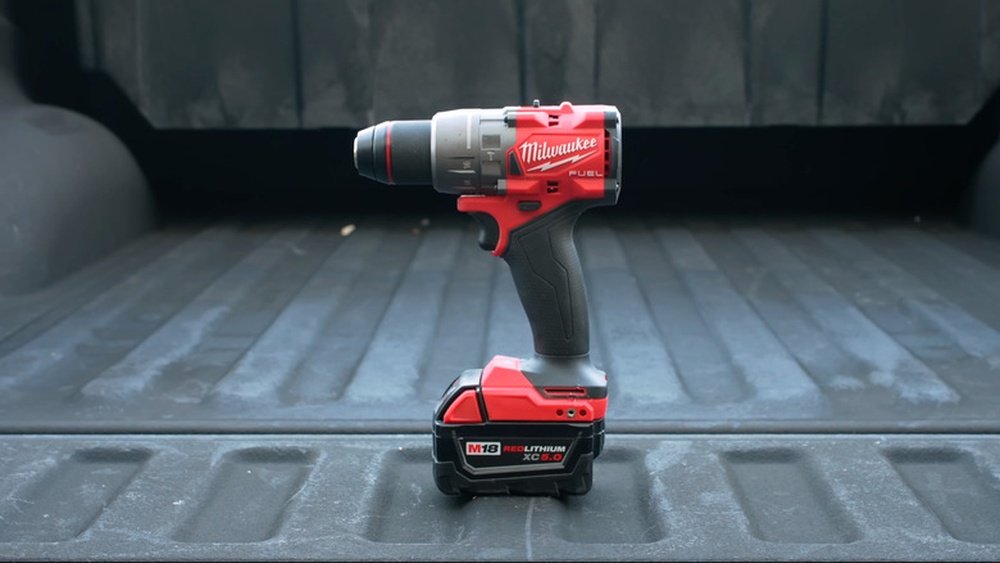
Have you ever wondered if it’s safe to use a cordless drill while standing in water? Maybe you’re working on a project near a pool, in a damp basement, or during a rainy day.
The idea might seem convenient, but it could also be risky. Understanding the dangers and precautions can protect you from serious injury. Keep reading to find out what you need to know before picking up that drill in wet conditions.
Your safety is worth it.
Risks Of Using Power Tools In Water
Using power tools near or in water is very risky. Water and electricity do not mix well. Standing in water while using a cordless drill can cause serious problems. These risks affect your safety and the tool itself. Understanding these dangers helps you avoid accidents and damage.
Electrical Shock Hazards
Water is a good conductor of electricity. If the drill gets wet, electricity can pass through the water. This can lead to an electrical shock. Shocks can cause burns, injuries, or even death. Even cordless drills have batteries that carry electricity. Wet conditions increase the chance of shocks. Always keep power tools dry and away from water.
Damage To The Drill
Water can damage the internal parts of a cordless drill. Moisture can cause rust and corrosion inside the drill. It may stop the drill from working properly. Water can also harm the battery and electrical parts. Repairing water damage can be expensive or impossible. Protect your drill by avoiding water exposure.
Potential For Accidents
Water makes surfaces slippery. Standing in water can cause you to lose balance. Dropping the drill is more likely in wet conditions. Loss of control can lead to injuries. Using a drill while wet reduces grip strength. This increases the chance of accidents. Stay safe by keeping dry while using power tools.

Credit: x.com
How Cordless Drills Work
Cordless drills run on battery power. They do not need a power cord to work. This makes them easy to use in many places.
Inside the drill, the battery provides electricity to the motor. The motor then turns the drill bit. This allows you to drill holes or drive screws quickly and easily.
Battery Operation
The battery is the heart of a cordless drill. It stores electrical energy in a small pack. Most batteries are lithium-ion, which last long and recharge fast.
When you press the trigger, the battery sends power to the motor. The motor spins the drill bit at different speeds. You can control the speed by how hard you press the trigger.
The battery also powers other parts, like lights or electronic controls. Proper charging keeps the battery healthy and extends its life.
Insulation Features
Cordless drills have insulation to protect users from electric shocks. Insulation stops electricity from reaching the outer casing.
Parts inside the drill are covered with plastic or rubber. These materials block electric current safely.
This insulation is important, especially near water. It helps reduce risk but does not make the drill safe to use in water.
Is It Safe To Use Cordless Drills In Water?
Using a cordless drill while standing in water raises safety concerns. Water conducts electricity, which can cause shocks or short circuits. Even though cordless drills run on batteries, risks still exist. Understanding the safety aspects helps avoid accidents and damage.
Manufacturer Guidelines
Always check the drill’s manual before use. Most manufacturers warn against using drills in wet conditions. Battery compartments and motors are not waterproof. Some models have water-resistant features, but they are not designed for full water exposure. Following guidelines protects you and your tool.
Limitations And Warnings
Standing in water while using a cordless drill is risky. Water can damage the drill’s electrical parts. Wet hands reduce grip, increasing accident chances. Batteries may short circuit or leak. Use drills only in dry areas or with proper waterproof gear. Safety should always come first.
Credit: www.msn.com
Essential Safety Tips
Using a cordless drill near water can be risky. Safety should always come first to avoid accidents and injuries. Follow these essential safety tips to protect yourself and your tools.
Avoid Standing In Water
Never stand in water while using a cordless drill. Water conducts electricity and increases the risk of electric shock. Always work on dry ground or use platforms to stay clear of wet surfaces.
Use Ground Fault Circuit Interrupters (gfci)
Plug your drill into a GFCI outlet. These devices stop the power quickly if they detect electrical faults. GFCIs add a vital layer of protection from shocks, especially in wet environments.
Wear Protective Gear
Use rubber gloves and non-slip boots when working near water. Protective gear helps prevent slips and electrical shocks. Always keep your safety equipment clean and in good condition.
Inspect Equipment Before Use
Check the drill and battery for damage before starting work. Look for cracks, frayed wires, or loose parts. Using damaged tools near water can be dangerous and increase the chance of accidents.
Alternatives For Wet Or Damp Conditions
Working with power tools in wet or damp places can be risky. Water and electricity do not mix well. Using a regular cordless drill while standing in water can cause electric shock or tool damage. Finding safer tool options is important for these conditions.
Some tools are made to handle wet or damp environments. Others do not use electricity at all. These choices help you work safely and get the job done without worry.
Waterproof Tools
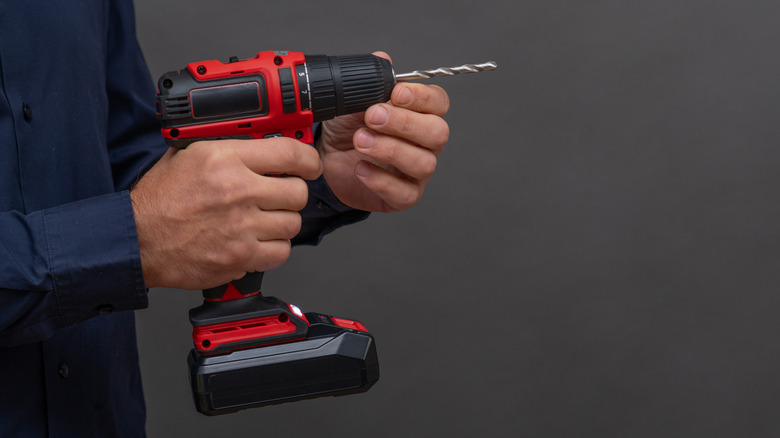
Waterproof tools have special seals and covers. These protect the electrical parts from water. You can use some waterproof drills and drivers near water. They usually have a strong battery and water-resistant casing.
Check the tool’s IP rating to see how much water it can handle. Higher ratings mean better protection. These tools reduce the risk of electric shock and tool failure.
Manual Tools
Manual tools do not need power or batteries. You can use them safely in wet places. Tools like hand screwdrivers, wrenches, and pliers work well.
Manual tools require more effort but are safe and reliable. They let you finish tasks without worrying about water damage or shocks. Keep a set of manual tools handy for wet or damp jobs.
Credit: www.slashgear.com
Emergency Procedures
Knowing emergency procedures is critical when using power tools near water. Accidents can happen fast. Being ready to act can save lives. This section explains key steps to follow if an electrical shock occurs.
Responding To Electrical Shock
Cut the power source immediately. Do not touch the person directly if they are still in contact with the electrical source. Use a non-conductive object like wood to separate them from the power. Call for emergency help right away. Stay calm and keep others away from the area.
First Aid Measures
Check the person’s breathing and pulse. If breathing stops, begin CPR if trained. Keep the person still and warm. Cover them with a blanket to prevent shock. Do not give food or drink. Wait for medical professionals to arrive and take over care.
Frequently Asked Questions
Can You Safely Use A Cordless Drill In Water?
No, using a cordless drill while standing in water is unsafe. Water can cause electric shock and damage the tool. Always avoid operating power tools in wet conditions to prevent accidents and ensure your safety.
What Risks Come With Using Drills Near Water?
Operating drills near water risks electric shock, tool damage, and personal injury. Wet conditions increase conductivity, making accidents more likely. It’s essential to keep drills dry and use proper safety measures to avoid hazards.
Are Cordless Drills Waterproof Or Water-resistant?
Most cordless drills are not waterproof but may have some water resistance. They are designed for dry conditions. Using them in water can void warranties and cause malfunction or injury.
How To Protect Yourself When Using Drills In Damp Areas?
Wear insulated gloves and rubber-soled shoes to reduce shock risk. Use a ground fault circuit interrupter (GFCI) and keep tools dry. Never stand in water while operating power tools for maximum safety.
Conclusion
Using a cordless drill while standing in water is risky and unsafe. Water can cause electric shock or damage the drill. Always keep tools dry and use them on dry ground. Wear proper safety gear to protect yourself. Stay alert and avoid taking chances with electricity and water.
Safety should be your top priority when working with power tools. Remember, a small mistake can lead to serious injury. Choose caution over convenience every time.
