



If you have a pacemaker and need to use a cordless drill, you might wonder if it’s safe. You’re probably asking yourself, “Could the drill interfere with my device?” This concern is very real and important for your health.
You’ll discover clear answers and practical tips to keep you safe while handling power tools. Keep reading to learn what you need to know before picking up that drill.
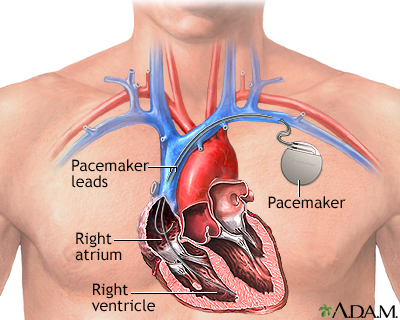
Credit: sbrmc.adam.com
Cordless Drills And Pacemakers
Cordless drills are common tools in many homes and workplaces. People with pacemakers often wonder if using these drills is safe. Understanding how cordless drills and pacemakers work helps answer this question clearly.
How Cordless Drills Work
Cordless drills use batteries to power a motor inside. This motor turns a drill bit to make holes or drive screws. The drill creates a small magnetic field while running. The strength of this field is usually very low. The batteries and motor work together to give freedom from cords. This makes cordless drills easy to use in many places.
Basics Of Pacemaker Function
A pacemaker is a small device placed in the chest. It helps control abnormal heart rhythms. The device sends electrical signals to the heart muscles. These signals keep the heart beating steadily. Pacemakers are designed to resist small electrical noises. They have shields that protect them from interference. The device carefully monitors the heart’s activity all the time.
Potential Risks
Using a cordless drill with a pacemaker might cause some risks. People with pacemakers should know about these risks before using power tools. The main concern is how the drill’s electric signals affect the pacemaker’s function. Understanding these potential risks helps keep safety a priority.
Electromagnetic Interference Concerns
Cordless drills create electromagnetic fields during use. These fields can interfere with pacemaker signals. This interference might cause the pacemaker to work wrongly. It could lead to irregular heartbeats or device malfunction. The risk depends on the drill’s power and distance from the pacemaker. Keeping the drill far from the chest area lowers this risk.
Reported Incidents And Studies
Few reports show cordless drills causing pacemaker problems. Most cases involve strong electromagnetic sources, not common drills. Studies suggest small tools usually do not affect pacemakers seriously. Still, doctors advise caution and recommend testing devices near power tools. People with pacemakers should follow medical advice before using cordless drills.
Safety Guidelines
Using a cordless drill with a pacemaker requires careful attention. Safety guidelines help reduce any risk of device interference. Following these rules keeps both the user and the pacemaker safe. Understanding safe distances and precautions is vital. Let’s explore key safety points for using cordless drills safely around pacemakers.
Recommended Distance From Device
Keep the cordless drill at least 6 inches away from your pacemaker. This distance lowers the chance of electromagnetic interference. Holding the drill too close may affect the pacemaker’s function. Always know where your device is located before starting work. Avoid placing the drill near your chest or implanted device area.
Precautions During Use
Turn off the drill when not actively using it. Avoid long or continuous use near your pacemaker. Use drills with low electromagnetic emissions if possible. Do not carry the drill on your body near the implant site. Pay attention to how your body feels. Stop using the drill immediately if you notice dizziness or irregular heartbeat.
Consulting Healthcare Providers
Using a cordless drill with a pacemaker raises important safety questions. Consulting healthcare providers ensures you get advice tailored to your health. Doctors understand the risks and can guide you on safe practices. They help avoid any problems that might affect your pacemaker.
Importance Of Medical Advice
Medical advice protects your health and pacemaker function. Devices like cordless drills may produce electromagnetic fields. These fields can sometimes interfere with pacemaker signals. A healthcare provider can assess the risk based on your device type. They offer clear guidance on what is safe to use. This advice reduces worry and prevents complications.
Questions To Ask Your Doctor
Ask if your pacemaker is sensitive to cordless drills. Inquire about safe distances to keep from the drill. Find out if any precautions are necessary while using power tools. Request information on symptoms that indicate pacemaker interference. Ask when it is safe to resume normal tool use. Knowing these answers helps you stay safe and confident.
Alternatives And Precautions
People with pacemakers need to be careful using electric tools. Some tools can cause interference with the device. Choosing the right tools and taking safety steps is very important. This section explains safer options and ways to use drills without risks.
Using Corded Drills Safely
Corded drills create less magnetic interference than cordless ones. They use a steady power source, which reduces risk. Keep the drill far from your chest and pacemaker. Use the longest cord possible to increase distance. Avoid holding the drill near your heart. Take breaks to check for any unusual feelings or symptoms.
Other Tools With Lower Risk
Manual hand tools are the safest choice. They do not use electricity or magnets. Simple tools like screwdrivers or hand drills work well. Battery-powered tools with low magnetic fields are better too. Always check the tool’s manual or ask a doctor before use. Safety first to protect your pacemaker and health.
:max_bytes(150000):strip_icc()/heart-pacemaker-in-cardiologist-s-hand-136997842-599c353b68e1a20010517f26.jpg)
Credit: www.verywellhealth.com
Technological Advances
Technological advances have made many tools safer to use around medical devices. Cordless drills are no exception. New designs and improved safety features help reduce risks for people with pacemakers. Understanding these changes can ease concerns about using cordless drills safely.
Improved Pacemaker Shielding
Modern pacemakers have better shielding to block interference. This shielding protects the device from electromagnetic signals. It reduces the chance of the pacemaker reacting to nearby electronics. The improved protection allows users to be around power tools with less worry. Doctors now design pacemakers to handle more everyday electronic devices safely.
Modern Drill Designs
New cordless drills produce less electromagnetic interference than older models. They use advanced batteries and motors that create fewer strong signals. Manufacturers test drills to meet safety standards for use near medical devices. These drills often have better insulation and metal casing to limit signal leakage. This means people with pacemakers can use cordless drills more safely today.

Credit: www.jacc.org
Frequently Asked Questions
Can A Cordless Drill Affect My Pacemaker?
Cordless drills emit low electromagnetic fields unlikely to interfere with pacemakers. However, keep a safe distance and consult your doctor for personalized advice.
Is It Safe To Operate Power Tools With A Pacemaker?
Most power tools are safe if used properly. Avoid prolonged close contact and follow manufacturer guidelines to reduce any risks.
How Far Should I Keep A Drill From My Pacemaker?
Maintain at least 6 inches distance between the drill and pacemaker to minimize electromagnetic interference and ensure device safety.
What Precautions Should Pacemaker Users Take With Cordless Drills?
Use drills with minimal electromagnetic emissions, keep distance, limit usage time, and always consult your healthcare provider before operating power tools.
Conclusion
Using a cordless drill with a pacemaker requires caution and care. Always check with your doctor before operating any power tools. Keep the drill at a safe distance from your chest to avoid risks. Choose drills with low electromagnetic interference when possible.
Stay alert for any unusual feelings or symptoms during use. Safety should come first for everyone with a pacemaker. Taking these steps helps you use tools while protecting your health. Stay informed and stay safe.
