


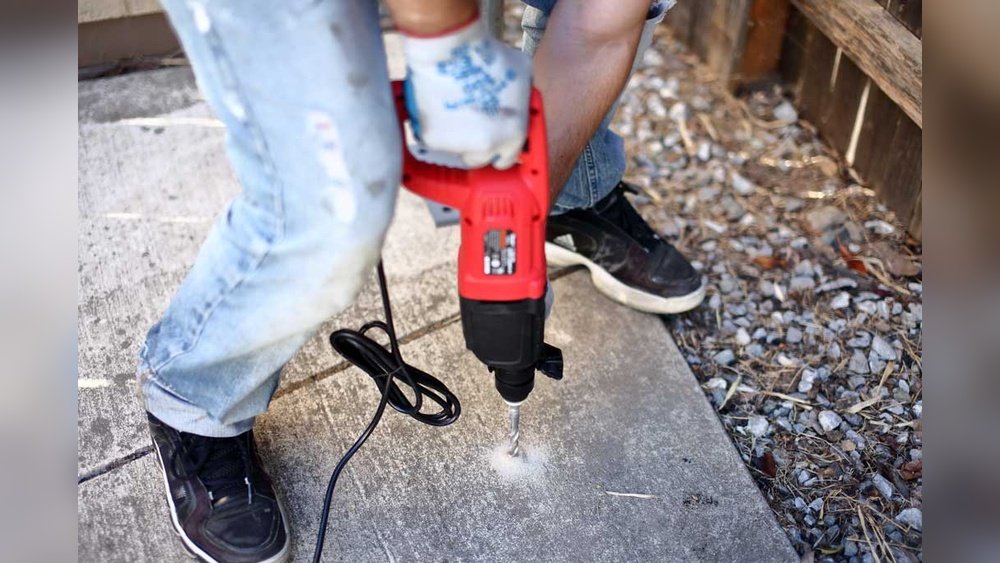
Are you wondering if a hammer drill can break concrete? You’re not alone.
When faced with tough concrete, it’s natural to look for the easiest tool to get the job done. But is a hammer drill up to the task, or will it leave you frustrated and stuck? You’ll discover how a hammer drill works on concrete, when it’s the right choice, and what to expect if you decide to use one.
Keep reading to make sure your project goes smoothly without wasting time or effort.
Hammer Drill Basics
A hammer drill is a power tool designed for drilling into hard materials. It combines rotation with a rapid hammering action. This makes drilling through concrete and masonry easier than with a regular drill.
Understanding the basics helps decide if a hammer drill suits your concrete breaking needs. Knowing how it works and its types clarifies its strengths and limits.
How Hammer Drills Work
Hammer drills use a special mechanism to create a pounding motion. This motion helps break the surface of hard materials. The drill bit moves forward and backward quickly while spinning. This action chips away at concrete and stone as it drills.
The hammering force reduces the effort needed to drill holes. It also speeds up the drilling process on tough surfaces.
Types Of Hammer Drills
There are two main types: pneumatic and electric hammer drills. Pneumatic drills use compressed air and are common in heavy construction. Electric hammer drills are more common for home use. They are lighter and easier to handle.
Some hammer drills have adjustable settings to switch between hammer and regular drill modes. This adds versatility for different tasks.
Differences Between Hammer And Rotary Hammers
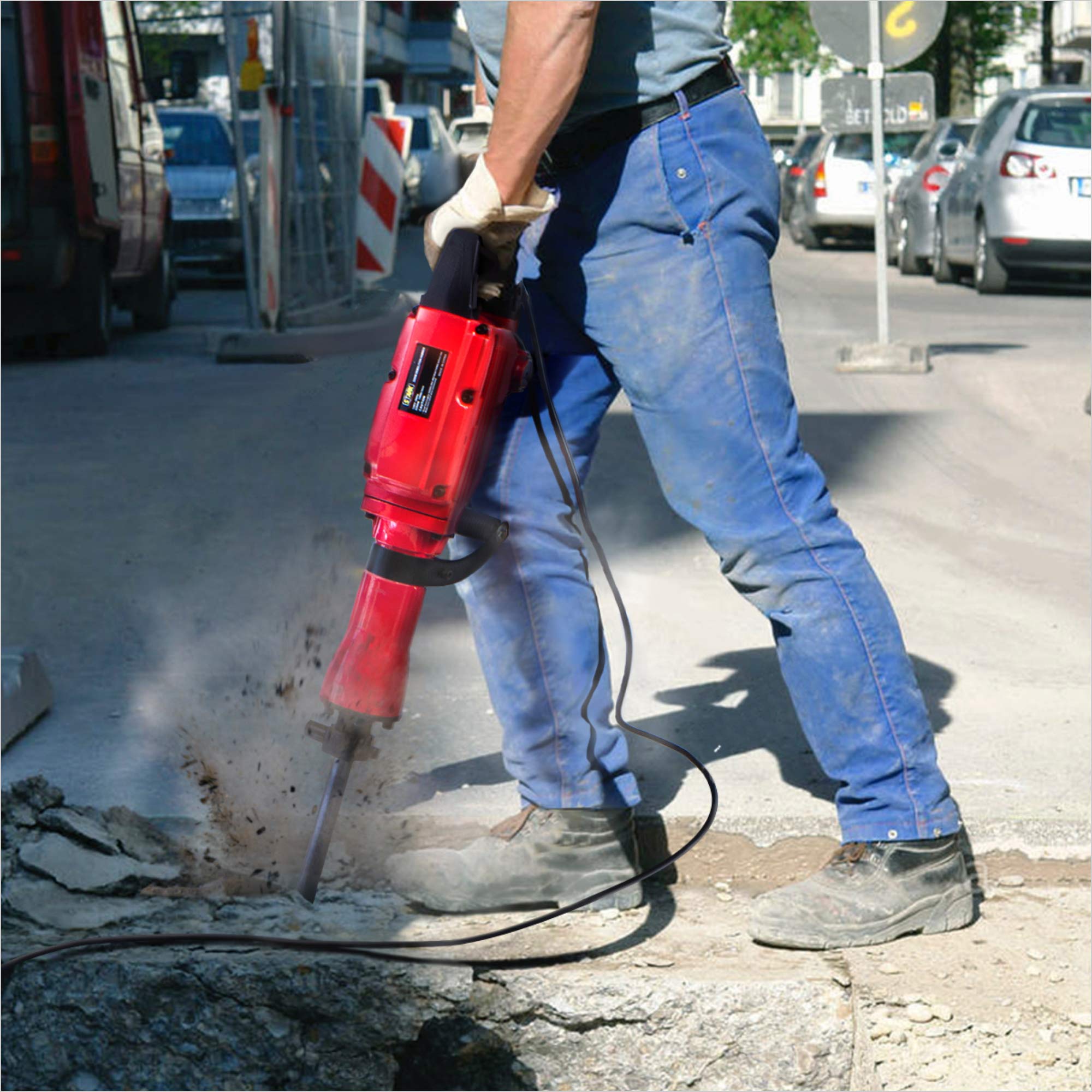
Hammer drills and rotary hammers look similar but work differently. Rotary hammers use a piston mechanism to create stronger impacts. They are better for breaking and drilling large concrete surfaces.
Hammer drills provide lighter hammering, suited for small holes and lighter jobs. Rotary hammers are heavier and more powerful. They are the preferred choice for serious concrete breaking.
Credit: www.homedepot.com
Breaking Concrete With A Hammer Drill
Breaking concrete is a tough job that needs the right tools. A hammer drill is one tool many consider for this task. It offers both drilling and hammering actions, which can help break concrete surfaces.
This section explains how suitable hammer drills are for breaking concrete. It also shows when to choose a hammer drill and what limits to keep in mind.
Suitability Of Hammer Drills For Concrete
Hammer drills combine rotation with a hammering motion. This helps chip away at hard materials like concrete. They work well for small to medium concrete jobs. For example, making holes for anchors or light demolition.
They are less powerful than jackhammers but easier to handle. Hammer drills are good for concrete up to a few inches thick. They are useful for home projects and light construction work.
When To Use A Hammer Drill
Use a hammer drill when drilling holes in concrete walls. It helps make clean holes for bolts and screws. Choose it for tasks that need precision and less force. It is ideal for breaking small patches of concrete. Also, when you want to avoid heavy equipment or noise.
For example, fixing tiles or installing shelves on concrete. Hammer drills work well when you need control and less damage to surrounding areas.
Limitations To Consider
Hammer drills are not made for heavy demolition. They struggle with thick, reinforced concrete or large slabs. Using them on big jobs wastes time and tool life. They can overheat if used too long on tough concrete.
For big or thick concrete, use a rotary hammer or jackhammer. These tools offer more power and durability. Also, hammer drills need the correct drill bits. Using wrong bits can damage the tool or slow work.
Choosing The Right Drill Bits
Choosing the right drill bits plays a key role in breaking concrete with a hammer drill. The drill bit must be tough enough to handle hard surfaces. Picking the wrong bit can cause damage or slow down the work. Using the correct bit improves efficiency and protects the tool.
Best Bits For Concrete
Masonry bits are the best choice for concrete. These bits have a special tip made from tungsten carbide. This material cuts through concrete smoothly. Avoid using regular steel bits as they wear out fast on concrete. Bits designed for stone or brick also work well.
Bit Size And Material
Choose a bit size that matches your hole needs. Small bits work for anchors or screws, while larger bits make bigger holes. The material of the bit matters too. Carbide-tipped bits last longer and resist heat. Steel bits break more easily on hard concrete.
Maintaining Drill Bits
Keep drill bits sharp and clean. Dull bits make drilling slow and hard. Remove dust and debris after each use. Store bits in a dry place to stop rust. Replace worn bits to avoid damaging your hammer drill or work surface.

Credit: www.youtube.com
Techniques For Effective Concrete Breaking
Breaking concrete with a hammer drill requires more than just power. Using the right techniques makes the job easier and safer. Knowing how to position the drill and control pressure helps you break concrete effectively. Safety is also very important to protect yourself from injury. Below are key tips to improve your concrete breaking skills.
Proper Drilling Angles
Hold the drill at a slight angle to the concrete surface. A 90-degree angle can cause the bit to wear out fast. Aim for about 75 to 85 degrees. This angle lets the bit chip away concrete without too much strain. Move the drill slowly to avoid overheating the bit. Changing angles slightly during drilling helps create cracks for easier breaking.
Applying The Right Pressure
Press the drill firmly but not too hard. Too much pressure can damage the drill and bit. Too little pressure wastes time and effort. Let the drill do the work. Keep steady pressure to make clean holes. Pause occasionally to let the drill cool down. This prevents overheating and extends the drill’s life.
Safety Measures To Follow
Wear safety goggles to protect your eyes from flying debris. Use ear protection to reduce noise from the drill. Wear gloves for a better grip and hand protection. Work in a well-ventilated area to avoid dust buildup. Keep bystanders away from the work zone. Always check the drill and bit for damage before starting.
Alternatives To Hammer Drills
Breaking concrete requires the right tool for the job. Hammer drills work for small tasks, but bigger jobs need stronger tools. Several alternatives offer more power and efficiency. These tools can break concrete faster and with less effort. Understanding each option helps you pick the best tool for your project.
Rotary Hammers
Rotary hammers are powerful tools made for breaking concrete. They combine rotation and hammering action. This makes drilling into hard materials much easier. They come with different sizes and power levels. They also use SDS bits for better grip and durability. Rotary hammers work well for heavy-duty drilling and chiseling.
Jackhammers
Jackhammers are heavy and strong tools used for breaking large concrete slabs. They work by delivering rapid hammering blows. This breaks the concrete into smaller pieces quickly. Jackhammers can be electric, pneumatic, or hydraulic. They require more skill to handle but are very effective. Use jackhammers for demolition and big concrete removal tasks.
Concrete Saws
Concrete saws cut through concrete instead of breaking it. They use diamond blades to make clean cuts. This tool is perfect for creating straight lines or sections. Concrete saws come in handheld and walk-behind models. They produce less dust with water cooling systems. Use concrete saws when cutting is better than breaking.
Expert Tips For Longevity And Efficiency
Using a hammer drill to break concrete can be tough on your tool. To keep it working well and lasting longer, follow some smart tips. Proper care and smart use help avoid damage and save time.
Drill Maintenance
Clean your hammer drill after every use. Dust and debris can clog the vents and motor. Check the drill bits for wear. Replace them if they are dull or broken. Lubricate moving parts regularly. This keeps the drill running smoothly and prevents rust.
Avoiding Common Mistakes
Do not force the drill into the concrete. Let the drill do the work at its own speed. Avoid using the wrong drill bits. Use bits made for concrete and hammer drills only. Stop the drill if it overheats. Give it time to cool down before continuing.
Maximizing Drill Performance
Use the correct hammer mode setting on your drill. Start with a low speed and increase as needed. Hold the drill firmly to reduce vibration. Take breaks to prevent overheating. Use water to cool the drill bit if needed. This helps the bit last longer and work better.

Credit: www.youtube.com
Frequently Asked Questions
Can A Hammer Drill Break Concrete Effectively?
Yes, a hammer drill can break concrete, especially thin or small sections. It combines rotary and hammering action to chip away concrete efficiently.
Is A Hammer Drill Better Than A Regular Drill For Concrete?
Yes, hammer drills are better for concrete. They deliver rapid hammering impacts, making drilling and breaking concrete faster and easier than regular drills.
What Drill Bit Is Best For Breaking Concrete With A Hammer Drill?
Use a carbide-tipped masonry bit for breaking concrete. These bits are durable, designed to withstand hammering, and effectively chip away concrete material.
Can A Hammer Drill Replace A Jackhammer For Concrete Demolition?
No, a hammer drill is less powerful than a jackhammer. For large or thick concrete demolition, a jackhammer is more suitable.
Conclusion
A hammer drill can break concrete but depends on the job size. Small jobs work well with a hammer drill. Large or thick concrete needs stronger tools like jackhammers. Safety is important; wear goggles and gloves. Choose the right tool for your task.
Using the proper drill makes work faster and easier. Remember to check the drill’s power and bit type. This helps avoid damage and frustration. Breaking concrete becomes simple with the right approach. Keep these tips in mind before starting your project.
