


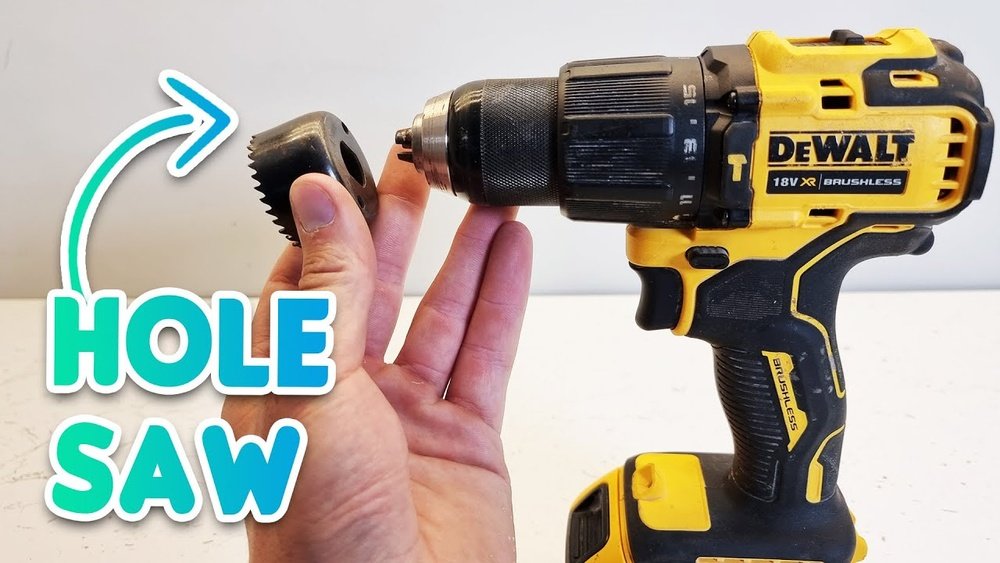
Have you ever wondered if you can use a hole saw with your cordless drill? If you’re tackling a DIY project or need to create large, clean holes quickly, this question is probably on your mind.
Using the right tools can save you time, effort, and frustration. You’ll discover how to make the most of your cordless drill with a hole saw, what to watch out for, and tips to get perfect results every time. Keep reading—your next project is about to get a whole lot easier.
Choosing The Right Hole Saw
Choosing the right hole saw is key to making clean, precise holes. The perfect fit depends on the project and material. A good choice saves time and prevents damage to your drill and work surface. Understanding the types, compatibility, and sizes helps you pick the best hole saw for your cordless drill.
Types Of Hole Saws
Hole saws come in different types. Bi-metal hole saws work well for wood and metal. Carbide-tipped saws cut through tough materials like tile and stainless steel. Diamond hole saws are best for concrete and glass. Choose the type that matches your job for better results.
Material Compatibility
Match the hole saw to the material you want to cut. Wood needs a different saw than metal or plastic. Using the wrong saw can cause rough cuts or damage. Check the saw’s label to confirm which materials it suits. This ensures smooth cutting and longer tool life.
Size Considerations
Select the right size hole saw for your project. Measure the hole diameter needed before buying. A hole saw too large or small can ruin your work. Many hole saws come in sets with multiple sizes. Having options helps handle different tasks easily.
Credit: www.canadianmetalworking.com
Cordless Drill Basics
Cordless drills are popular tools for many home and professional projects. They offer freedom to work without a cord. Understanding the basics helps you use a hole saw with a cordless drill safely and effectively.
Battery Life And Power
Battery life is key for cordless drills. A strong battery means longer work time. Most drills use lithium-ion batteries. They charge fast and last longer. Power depends on the battery’s voltage. Higher voltage gives more strength. For hole saws, a powerful drill cuts better through tough materials.
Speed Settings
Speed control lets you adjust drill rotation. Lower speeds work best for big hole saws. High speeds can cause heat and damage. Many drills have two or more speed settings. Choose the right speed for your material. Slower speeds help keep control and prevent mistakes.
Chuck Types
The chuck holds the drill bit or hole saw. Keyless chucks are common on cordless drills. They allow quick bit changes without tools. Some chucks require a key to tighten. Make sure the chuck fits the hole saw shank. A secure chuck stops wobbling and improves accuracy.
Attaching A Hole Saw To A Cordless Drill
Attaching a hole saw to a cordless drill is a simple process that anyone can do. It allows you to cut large holes in wood, plastic, or metal. The key is to make sure the hole saw is properly fixed to the drill for safe and effective use.
Selecting The Right Arbor
The arbor connects the hole saw to the drill. Choose one that fits the drill’s chuck size. Some arbors work with multiple hole saw sizes. Check if the arbor includes a pilot drill bit. This helps guide the hole saw during cutting. Using the correct arbor ensures the hole saw stays stable.
Securing The Hole Saw
Attach the hole saw to the arbor by screwing it tightly. Make sure it fits snugly without wobbling. Hand-tighten the screws or nuts that hold the saw in place. Loose parts can cause uneven cuts or damage. Double-check the connection before use to avoid problems.
Safety Checks
Always inspect the drill and hole saw before starting. Look for cracks or damage on the saw blade. Confirm the drill battery is fully charged for consistent power. Wear safety glasses and gloves to protect yourself. Secure the material you will cut to prevent movement.
Techniques For Effective Drilling
Using a hole saw with a cordless drill requires certain techniques for best results. Proper drilling techniques help create clean holes and extend tool life. These tips make the job easier and safer.
Starting The Cut
Place the hole saw’s pilot bit on the marked spot. Hold the drill steady and start at low speed. Let the pilot bit guide the saw into the material. Avoid pushing too hard at the start. This keeps the hole saw from slipping.
Maintaining Steady Pressure
Apply firm, even pressure while drilling. Do not force the saw through the material. Let the saw teeth do the cutting work. Keep the drill speed steady for smooth cutting. Stop if the drill slows or stalls.
Cooling And Lubrication Tips
Drilling generates heat that can damage the saw. Use water or cutting oil to cool the saw. Pause drilling to allow cooling if needed. Cooling helps the saw last longer and cuts cleaner. Avoid overheating the drill and battery.
Common Challenges And Solutions
Using a hole saw with a cordless drill can bring some common challenges. These issues may slow down your work or affect the quality of the cut. Knowing how to handle these problems helps you work better and faster.
The most common problems include the drill slipping or stalling, overheating, and uneven cuts. Each problem has simple solutions that improve your drilling experience.
Drill Slipping Or Stalling
The drill may slip or stall if the drill speed is too high or the pressure is uneven. Hold the drill firmly and apply steady pressure. Start drilling at a low speed to keep control. Check if the drill bit is sharp and replace it if needed. Using the right drill setting for the material helps prevent stalling.
Overheating Issues
Overheating can damage both the drill and the hole saw. Take breaks during drilling to let the tool cool down. Use cutting oil or lubricant on the hole saw to reduce heat. Avoid pushing too hard. Lower speed also helps keep the drill cool. Proper cooling extends the life of your tools.
Uneven Cuts
Uneven cuts often happen if the hole saw is not stable. Use a drill guide or jig to keep the saw straight. Start with a small pilot hole for better guidance. Keep the drill steady and avoid tilting. Check that the hole saw is sharp and clean for smooth cuts. These steps ensure neat and even holes every time.

Credit: www.heamar.co.uk
Safety Precautions
Using a hole saw with a cordless drill can be safe if you take proper precautions. Safety is important to avoid injuries and damage. Follow basic rules to keep your work smooth and secure.
Protective Gear
Wear safety glasses to protect your eyes from flying debris. Use gloves to guard your hands from sharp edges. Hearing protection helps reduce noise from drilling. Avoid loose clothing or jewelry that may catch in the drill.
Workspace Setup
Clear the area of any clutter or obstacles. Make sure the workpiece is securely clamped. Good lighting helps you see clearly. Keep children and pets away from the workspace.
Handling Drill And Hole Saw
Hold the drill firmly with both hands. Start drilling at low speed to avoid slips. Do not force the drill; let the saw cut naturally. Stop and check the hole saw if it gets stuck. Always disconnect the drill before changing the hole saw.
Maintenance And Care
Proper maintenance and care keep your hole saw working well. It helps you drill cleaner holes and extends tool life. Small steps after each use make a big difference over time.
Cleaning The Hole Saw
Remove dust and debris after every use. Use a brush or compressed air to clean teeth and slots. Avoid water to stop rust. Wipe with a dry cloth to keep it dry.
Sharpening Tips
Dull teeth reduce cutting power and cause overheating. Use a small file or sharpening tool to fix edges. Follow the original angle of teeth. Sharpen carefully to keep the saw balanced.
Storing Equipment
Store the hole saw in a dry place. Use a case or box to protect it from damage. Keep it away from moisture and dirt. Separate it from other tools to avoid dulling the teeth.

Credit: www.youtube.com
Frequently Asked Questions
Can A Cordless Drill Handle A Hole Saw?
Yes, most cordless drills can handle hole saws if they have enough torque. Choose a drill with a powerful motor and a strong battery for best results.
What Size Hole Saw Fits Cordless Drills?
Hole saw sizes vary, but most cordless drills support hole saws from ¾ inch to 6 inches. Always check your drill’s chuck size to ensure compatibility.
How To Use A Hole Saw With A Cordless Drill?
Attach the hole saw to the drill’s chuck securely. Start drilling slowly to maintain control, then increase speed gradually for a clean cut.
Can Cordless Drills Cut Through Metal With Hole Saws?
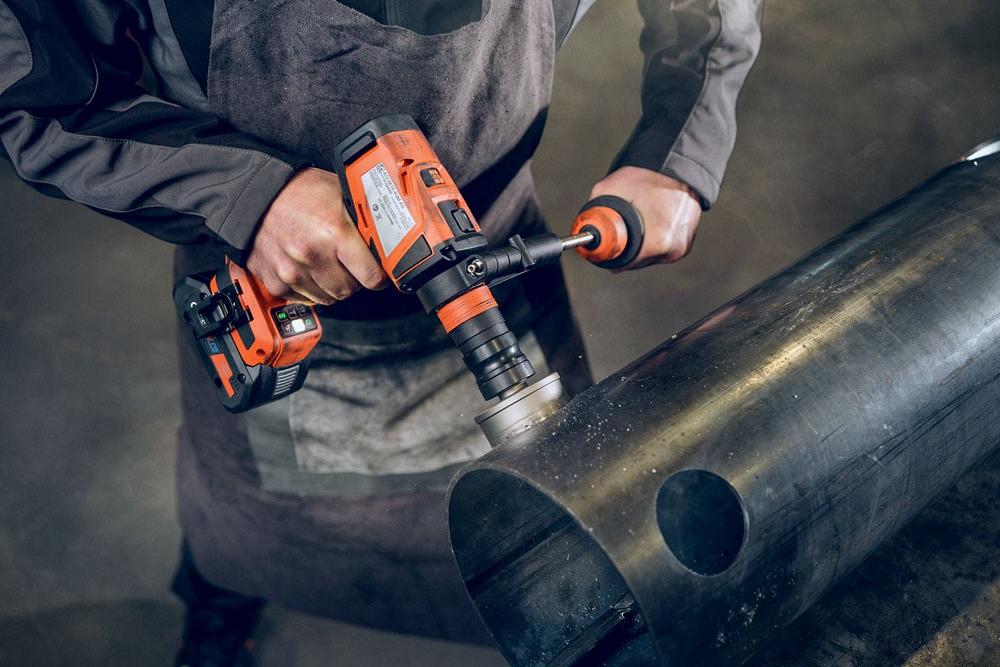
Yes, cordless drills can cut metal using hole saws designed for metal. Use proper speed and cooling techniques to prevent overheating and blade damage.
Conclusion
Using a hole saw with a cordless drill works well for many projects. Make sure your drill has enough power and the right speed. Always wear safety gear to protect yourself. Choose the correct hole saw size for the job.
Keep the drill steady and apply gentle pressure. This method saves time and makes cutting easier. With practice, you can get clean, smooth holes every time. Simple tools can do great work when used properly. Try it out and see the results yourself.
