


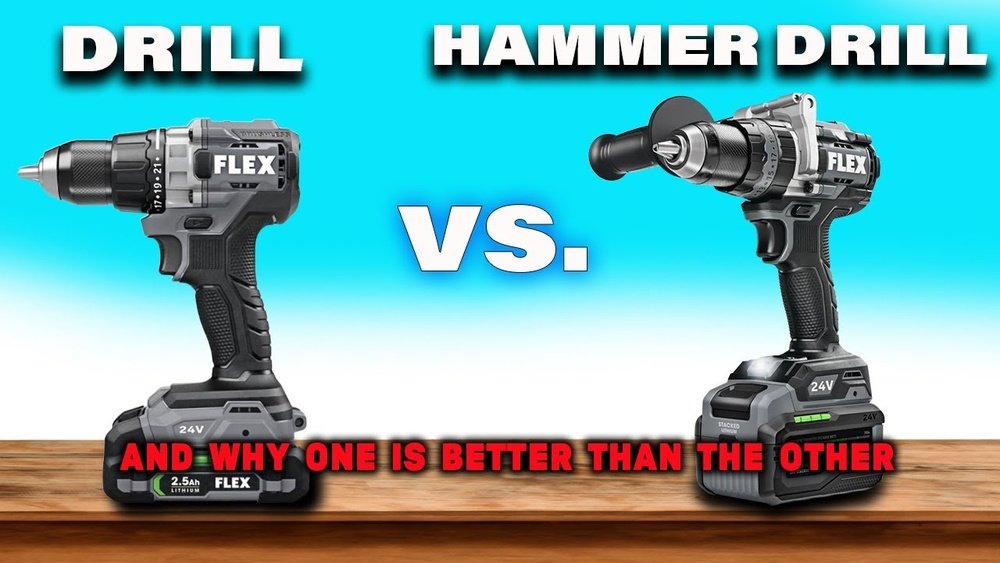
Have you ever stood in front of your toolbox wondering if you can use a hammer drill like a regular drill? Maybe you’re facing a home project and don’t want to buy extra tools.
The good news is, understanding the difference between these two drills can save you time, money, and frustration. Keep reading, and you’ll discover exactly when and how you can use a hammer drill as a regular drill—plus tips to avoid common mistakes that could damage your tools or work.
Your next project just got a lot easier.
Credit: onevantool.com
Differences Between Hammer Drill And Regular Drill
Understanding the differences between a hammer drill and a regular drill helps you choose the right tool. Both drills look similar but work in different ways. These differences affect what each drill can do best. Knowing this makes your work easier and faster.
Mechanics And Functionality
A regular drill spins a drill bit to make holes. It uses a simple rotating motion. A hammer drill adds a pounding action while spinning. This hits the surface quickly and helps drill into hard materials. The hammering makes it easier to drill into concrete or brick. Regular drills do not have this hammering feature.
Best Uses For Each Drill
Regular drills work well on wood, metal, and plastic. They are great for simple drilling tasks. Hammer drills are best for tough jobs like drilling into concrete or stone. They can also work as regular drills by turning off the hammer function. Choosing the right drill depends on the material you need to drill.
Design And Build Variations
Regular drills are usually lighter and smaller. They have fewer moving parts and less weight. Hammer drills are heavier and larger due to the hammer mechanism inside. They often have extra settings to switch between hammer and regular modes. The design suits heavy-duty work and hard surfaces better.

Credit: www.youtube.com
Using A Hammer Drill As A Regular Drill
Using a hammer drill as a regular drill is possible and common. Many hammer drills come with a switch to change from hammer mode to regular drilling mode. This makes them versatile tools for many tasks.
Knowing how to switch modes and when to use the hammer drill as a regular drill helps prevent damage to your materials and tools. Understanding the limits of hammer drills also ensures better results.
Switching Modes On A Hammer Drill
Most hammer drills have a mode switch near the chuck. This switch allows you to toggle between hammering action and regular drilling. Turn the switch to the drill-only position for normal drilling tasks. This stops the hammering motion and lets the drill rotate smoothly.
When Hammer Drill Works Well As A Regular Drill
Hammer drills work well as regular drills on wood, metal, and plastic. They offer strong power and speed, which helps with tough materials. Using the drill mode avoids damage to delicate surfaces. It also helps when you need clean, precise holes.
Limitations To Consider
Hammer drills tend to be heavier than regular drills. This can make them harder to control for long tasks. Some hammer drills may have less fine speed control than regular drills. The chuck size may also limit the drill bits you can use. Check your tool’s specifications before switching tasks.
Pros And Cons Of Using Regular Drill For Hammering Tasks
Using a regular drill for hammering tasks might seem like a handy idea. It can save money and reduce the need for extra tools. Yet, this choice has clear limits. Understanding the advantages and problems helps you decide if it fits your needs.
Performance Challenges
Regular drills lack the impact mechanism found in hammer drills. This means they cannot deliver strong, fast hammering action. Drilling into tough materials like concrete will take much longer. The drill bit may slip or get stuck. This reduces work speed and efficiency. Using a regular drill might cause frustration during heavy jobs.
Potential Risks And Damage
Applying hammer force with a regular drill can harm the tool. The motor and gears are not built for pounding. Overheating and wear can happen quickly. Drill bits can break or wear down faster. The workpiece may crack or get damaged due to uneven pressure. Safety risks increase without proper hammer action.
Alternative Solutions
Consider renting or buying a hammer drill for tough jobs. Hammer drills have a special mechanism for impact and rotation. They work well on concrete, brick, and stone. Another option is using a rotary hammer for heavy-duty tasks. These tools increase safety and reduce effort. Using the right tool improves results and protects your equipment.

Credit: www.tigerfishtools.com
Choosing The Right Drill For Your Project
Choosing the right drill for your project makes a big difference. Picking the correct tool saves time and effort. It also helps avoid damage to materials and tools. Understanding your project needs guides you to the right drill. Consider the type of material, hole size, and frequency of use. This ensures you get the best results.
Assessing Your Needs
Think about the tasks you want to complete. Are you drilling into wood, metal, or concrete? A regular drill works well for wood and light metal. A hammer drill suits concrete and hard surfaces better. Also, consider the size and depth of holes. Small projects need less power than big ones. Match the drill’s strength to your project’s demands.
Budget Considerations
Set a budget before buying a drill. Regular drills usually cost less than hammer drills. If you only need a drill for simple tasks, a regular drill is enough. For heavy-duty work, investing in a hammer drill is better. Think about how often you will use the drill. Spending more upfront can save money on repairs later.
Tool Longevity And Maintenance
Check how long the drill will last with regular use. Hammer drills often have stronger parts for tough jobs. Regular drills need less maintenance for light tasks. Keep the drill clean and store it properly. Replace worn parts to extend its life. Proper care helps the tool perform well over time.
Expert Tips For Safe And Effective Drill Use
Using drills safely and effectively makes a big difference in your project results. Following expert tips helps avoid accidents and damage. These tips focus on handling, choosing bits, and keeping your drill in good shape. Simple steps protect you and improve your work quality.
Proper Handling Techniques
Hold the drill firmly with both hands. Keep your body balanced to avoid slips. Start drilling slowly to control the tool better. Let the drill do the work; don’t force it. Always wear safety glasses to protect your eyes. Keep cords away from the drilling area. Stop immediately if the drill feels hot or stuck.
Using Correct Drill Bits
Choose bits made for your drill type. Use hammer drill bits for hard materials like concrete. Regular drill bits work well for wood and metal. Check the bit size matches the hole you need. Replace dull or damaged bits quickly. Secure the bit tightly in the chuck before starting. Using the wrong bit can break the drill or damage material.
Maintenance Practices
Clean your drill after every use. Remove dust and debris from vents and chuck. Check the power cord for cuts or frays. Lubricate moving parts as the manual suggests. Store the drill in a dry, cool place. Regular maintenance extends the drill’s life. Inspect the tool before each use for safety.
Frequently Asked Questions
Can You Use A Hammer Drill As A Regular Drill?
Yes, a hammer drill can function as a regular drill by turning off the hammer mode. This allows it to drill into wood, metal, and plastic efficiently, just like a standard drill. It provides versatility for different tasks without needing multiple tools.
Is A Regular Drill Suitable For Masonry Work?
No, a regular drill lacks the hammering action needed for masonry. Hammer drills deliver rapid hammer blows that help drill through concrete and brick effectively. Using a regular drill on masonry can damage the tool and result in poor performance.
Will Using A Hammer Drill Damage Regular Drill Bits?
Yes, hammer drills can damage regular drill bits if used in hammer mode. Regular bits aren’t designed to withstand the impact force. Always use masonry bits for hammer drilling and standard bits for regular drilling to avoid breakage.
Can A Regular Drill Replace A Hammer Drill For Diy Projects?
For light DIY tasks, a regular drill works well. However, for heavy-duty projects involving concrete or brick, a hammer drill is necessary. It saves time and effort by combining drilling and hammering actions.
Conclusion
Using a hammer drill as a regular drill is possible but not always ideal. Hammer drills work best on hard materials like concrete. Regular drills fit better for wood and metal. Using the right drill saves time and effort. Choose your tool based on the task at hand.
This helps prevent damage to your materials and tools. Keep your projects simple by matching tools to needs. This way, work stays efficient and smooth. Remember, the right drill makes a big difference.
