


Have you ever noticed your cordless drill’s battery looking puffed up or swollen? It’s a surprising sight that can make you wonder if your tool is safe to use or if it’s time to toss the battery.
Understanding why cordless drill batteries swell is crucial—not just to protect your investment but also to keep yourself safe while working. You’ll discover the real reasons behind battery swelling, what signs to watch for, and how to handle the problem before it gets worse.
Keep reading to make sure your drill stays powerful and safe every time you pick it up.
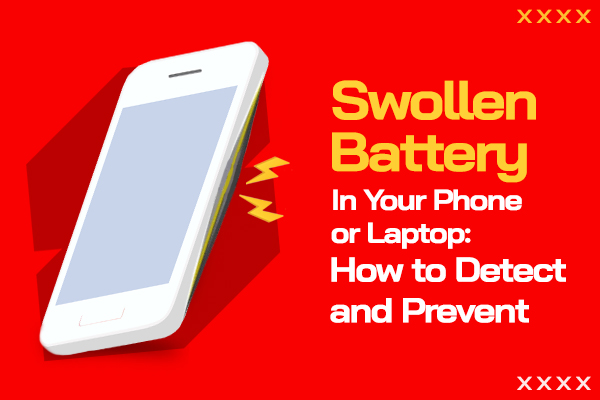
Credit: www.gophermods.com
Why Batteries Swell
Batteries in cordless drills can swell due to several reasons. This swelling happens inside the battery cells. It can make the battery unsafe and less useful. Understanding why batteries swell helps in avoiding damage and keeping tools working well.
Chemical Reactions Inside Batteries
Batteries store energy using chemicals. Sometimes, these chemicals change in unwanted ways. This creates gases inside the battery. The gas pressure causes the battery to swell. Poor battery quality or age can increase these reactions.
Effects Of Overcharging
Overcharging means charging the battery more than needed. It forces chemical changes inside the battery cells. These changes produce heat and gas. The gas buildup makes the battery expand. Using the right charger stops overcharging problems.
Impact Of High Temperatures
Heat speeds up chemical reactions in batteries. High temperatures cause gases to form inside. This gas causes the battery to swell. Leaving batteries in hot places can lead to damage. Cooling the battery helps keep it safe and long-lasting.
Damage From Physical Stress
Dropping or hitting the battery can harm its inside parts. This damage can block normal chemical reactions. It may cause gas buildup and swelling. Handle batteries carefully to avoid physical damage. Protecting them extends their life and performance.
Signs Of A Swollen Battery
Swollen batteries in cordless drills are a serious safety concern. Recognizing the signs early can prevent damage and injury. Swollen batteries often show clear symptoms that anyone can spot.
Knowing these signs helps you act fast. It keeps your tools safe and working well.
Visible Bulging Or Deformation
The most obvious sign is the battery bulging. It may look puffed up or misshapen. The battery casing can swell and lose its flat shape. This bulge means internal damage and gas buildup.
Check the battery edges and sides for any uneven curves. Even small bumps should not be ignored.
Performance Issues
A swollen battery often loses power quickly. Your drill may run shorter than usual. The battery might also take longer to charge. It may shut off suddenly during use. These problems suggest the battery is not healthy.
Performance drops happen because the battery cells are damaged inside.
Unusual Heat Emission
A swollen battery can get hotter than normal. It may feel warm or even hot to touch. Excessive heat is a sign of internal pressure. Heat can also cause swelling and damage the battery further.
Never use a battery that becomes very hot. It is unsafe and can lead to accidents.
Battery Leakage Indicators
Leakage is a dangerous sign of battery swelling. You might see liquid or residue around the battery terminals. This fluid can be corrosive and harm your drill. Leakage often comes with a bad smell.
Always handle leaking batteries with care. Dispose of them properly to avoid harm.
Risks Of Using Swollen Batteries
Swollen cordless drill batteries pose serious risks. They can damage your tools and create unsafe conditions. Understanding these risks helps you stay safe and protect your equipment.
Fire Hazards
Swollen batteries can catch fire easily. The internal chemicals become unstable. Heat or pressure may cause sparks or flames. Fires from batteries can spread quickly. They can cause burns and property damage.
Damage To Drill Components
Swollen batteries put pressure on drill parts. This can crack or break the casing. Internal parts may misalign or stop working. The drill’s performance drops significantly. Repairs can be costly or impossible.
Health And Safety Concerns
Swollen batteries may leak harmful chemicals. These chemicals irritate skin and eyes. Breathing fumes can cause headaches or nausea. Handling swollen batteries without care is risky. Always use gloves and avoid direct contact.
Preventing Battery Swelling
Battery swelling is a common problem in cordless drills. It happens when batteries get damaged or worn out. Preventing battery swelling helps keep your drill safe and working well. Simple steps can make your batteries last longer and avoid damage.
Proper Charging Practices
Always use the charger that comes with your drill. Avoid overcharging by removing the battery once fully charged. Do not charge batteries overnight. Keep charging areas cool and dry. Charging in high heat can cause swelling.
Storage Tips
Store batteries in a cool, dry place. Avoid leaving batteries in extreme heat or cold. Remove batteries from the drill if not used for a long time. Store partially charged batteries instead of fully charged or empty ones.
Regular Maintenance Checks
Check batteries regularly for signs of damage or swelling. Clean battery contacts to ensure good connection. Replace batteries showing any swelling or leakage. Do not ignore strange smells or heat during use.
Choosing Quality Batteries
Buy batteries from trusted brands. Low-quality batteries wear out faster and may swell. Check for safety certifications on battery packaging. Quality batteries improve drill performance and last longer.
Dealing With Swollen Batteries
Swollen batteries in cordless drills can be dangerous. They may leak, overheat, or even catch fire. Handling them carefully is important for your safety and tool longevity. This section guides you through safe removal, disposal, and replacement of swollen batteries.
Safe Removal Procedures
Turn off the drill and unplug any charger. Do not use sharp objects to open the battery casing. Gently remove the battery from the tool. Avoid pressing or squeezing the swollen part. Wear protective gloves and eye protection. Place the battery on a non-flammable surface. Keep it away from heat and direct sunlight.
Disposal And Recycling Options
Swollen batteries must not go in regular trash. Find a local recycling center for lithium-ion batteries. Some stores offer free battery recycling services. Never burn or puncture the battery. Follow local laws for battery disposal. Proper recycling helps protect the environment and prevents hazards.
When To Replace The Battery
Replace the battery if swelling appears. Also, change it if the drill runs out of power quickly. Do not try to fix a swollen battery yourself. Buying a new battery keeps your drill safe and working well. Check battery condition regularly to avoid surprises.

Credit: www.reddit.com
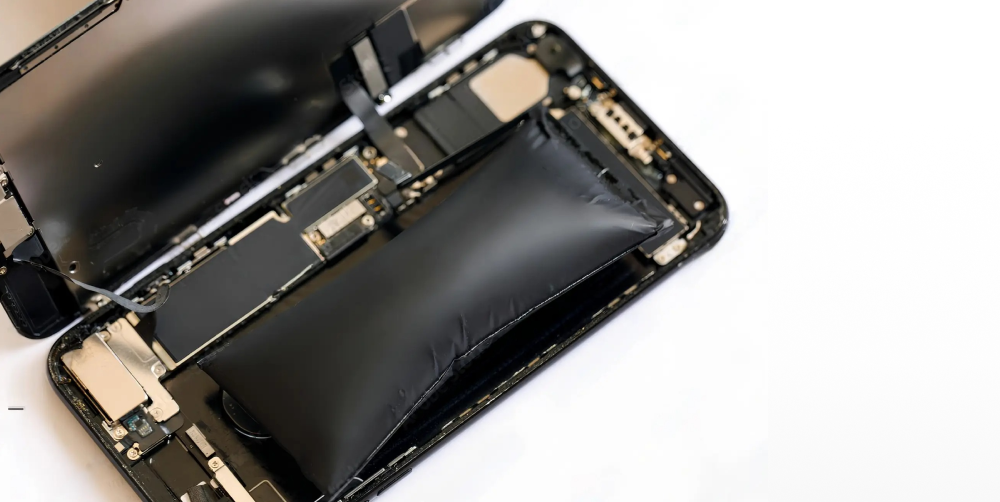
Credit: www.voltacharger.com
Frequently Asked Questions
Why Do Cordless Drill Batteries Swell?
Cordless drill batteries swell due to internal chemical reactions. Overcharging, overheating, or physical damage causes gas buildup inside. This pressure swells the battery casing and can damage the battery’s performance and safety. Proper charging and storage help prevent swelling.
How Can I Prevent Battery Swelling In Cordless Drills?
To prevent swelling, avoid overcharging and overheating the battery. Use the correct charger and store batteries in a cool, dry place. Regularly inspect batteries for damage and replace them if swelling is detected to ensure safety and performance.
Is A Swollen Cordless Drill Battery Dangerous?
Yes, swollen batteries are dangerous. They can leak harmful chemicals, catch fire, or explode. Swelling indicates internal damage, and using such batteries poses safety risks. Always stop using swollen batteries and dispose of them according to local regulations.
Can Swollen Cordless Drill Batteries Be Repaired?
No, swollen batteries cannot be safely repaired. The internal damage is irreversible. Attempting to fix them can be hazardous. The best solution is to stop using the swollen battery and replace it with a new one.
Conclusion
Cordless drill batteries can swell due to heat or damage. Swelling affects battery life and safety. Always watch for signs like bulging or leaking. Stop using swollen batteries immediately to avoid harm. Proper charging and storage help prevent swelling. Replace old or damaged batteries quickly.
Taking care of batteries keeps your drill working well. Stay safe and maintain your tools regularly.
