


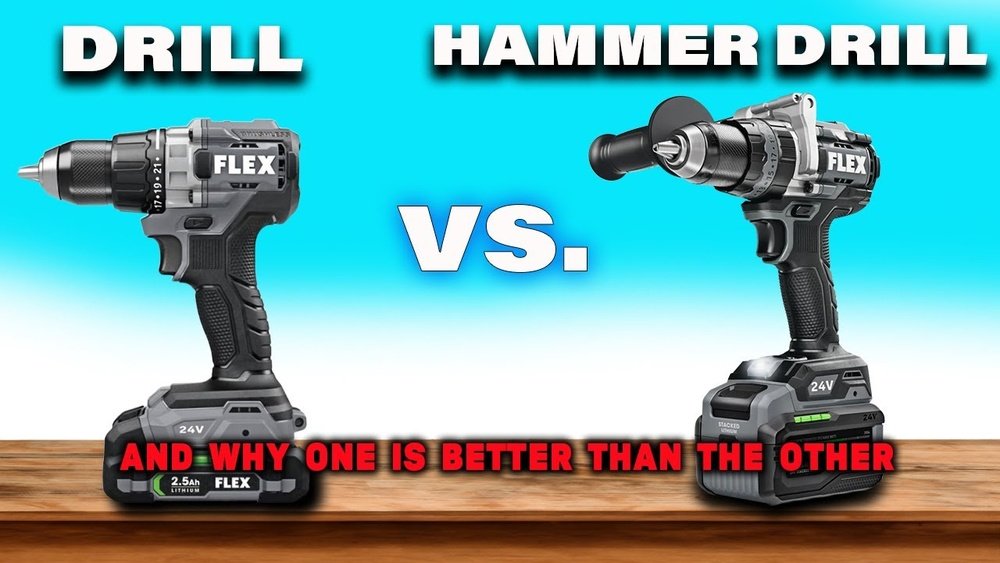
Are you wondering whether you really need both a hammer drill and a regular drill? Maybe you’re staring at the tool aisle, confused about which one will best tackle your projects.
Choosing the right drill can save you time, effort, and money. But how do you know which one fits your needs? Keep reading, and you’ll discover exactly when to use each drill and how to avoid common mistakes that could slow you down.
This simple guide will help you make a smart choice for your next project.
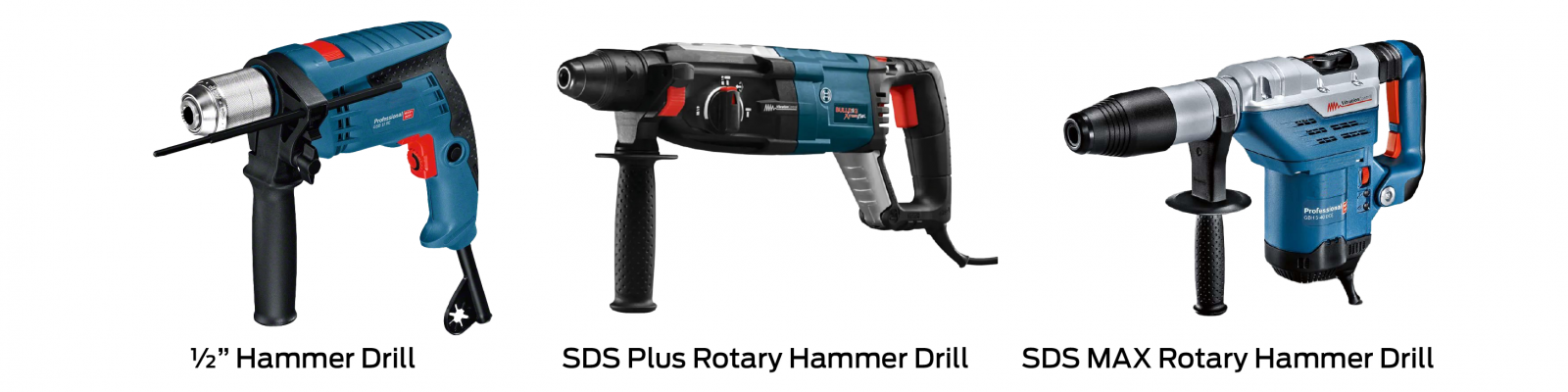
Credit: www.exchangeablade.com
Differences Between Hammer Drill And Regular Drill
Choosing between a hammer drill and a regular drill depends on your needs. Both tools look similar but work differently. Understanding their differences helps you pick the right one for your tasks.
Function And Mechanism
A regular drill spins the bit to make holes in wood, metal, or plastic. It uses rotation only. A hammer drill adds a hammering action. It moves the bit back and forth fast while spinning. This action breaks hard materials like concrete or brick.
Types Of Tasks Each Handles
Regular drills work well on soft materials. They are perfect for drilling holes and driving screws. Hammer drills handle tougher jobs. They drill into concrete, stone, or masonry. You can turn off the hammer function to use it as a regular drill.
Power And Speed Comparison
Regular drills usually have higher speed but less power. They focus on fast drilling in soft materials. Hammer drills have more power but slower speed. The hammer action uses extra force to break hard surfaces. Power matters more for tough materials, speed for lighter jobs.

Credit: www.tigerfishtools.com
When To Use A Hammer Drill
Knowing when to use a hammer drill helps you choose the right tool for the job. Hammer drills have a special function that makes them perfect for hard materials. They deliver a strong pounding action as they drill, which regular drills do not offer. This makes drilling faster and easier in tough surfaces.
Drilling Into Concrete And Masonry
Concrete and masonry are very hard surfaces. A regular drill may struggle or take a long time. A hammer drill uses rapid hammering to break the material while drilling. This action helps the drill bit move through concrete smoothly. It also reduces wear on the bit, saving you time and effort.
Heavy-duty Construction Projects
Big construction jobs need strong tools. Hammer drills can handle thick walls and tough materials with ease. They work well on stone, brick, and block. This makes them a smart choice for building or remodeling projects. They reduce the risk of damage and improve work speed.
Advantages For Tough Materials
Tough materials need more power to drill through. Hammer drills provide extra force that regular drills lack. This helps to avoid slipping or getting stuck. Using a hammer drill also means fewer drills bits break. It improves safety and makes your work more reliable.
When A Regular Drill Is Enough
Choosing the right drill matters for your project. A regular drill fits many basic jobs well. It is light, easy to control, and does not require special skills. Knowing when a regular drill is enough saves time and money. It also keeps tasks simple and safe.
Woodworking And Light Materials
Regular drills work best with wood and soft materials. They make clean holes without cracking or splitting. These drills handle screws and small bolts quickly. Wood projects like shelves, frames, or birdhouses suit a regular drill.
Home Repairs And Assembly
Fixing things around the house often needs a regular drill. It helps with hanging pictures, tightening screws, and assembling furniture. This drill is ideal for light repairs and easy installation tasks. It offers enough power without being heavy or complex.
Benefits For Everyday Tasks
Regular drills are great for daily use. They weigh less and are less noisy. They run on batteries that last long. These drills are simple to store and carry. Perfect for small jobs and quick fixes at home.
Choosing Between Corded And Cordless Models
Choosing the right drill depends on your needs and work style. Both corded and cordless drills have their strengths. Each type suits different tasks and users. Understanding these differences helps you pick the best tool for your projects.
Consider where you will use the drill most. The power source affects performance and ease of use. Let’s explore the main factors to help you decide.
Portability And Convenience
Cordless drills offer great portability. You can take them anywhere without worrying about power outlets. This makes them ideal for outdoor jobs or places with limited electricity.
Corded drills need to stay near a power source. This limits movement but ensures continuous use without recharging. They are better for jobs where you stay in one spot.
Power And Battery Life
Corded drills provide constant power. They handle tough materials without slowing down. This makes them suitable for heavy-duty drilling and hammer drilling tasks.
Cordless models depend on battery life. Batteries can run out during long jobs. Modern lithium-ion batteries last longer but still need recharging after heavy use.
Cost Considerations
Corded drills usually cost less upfront. They have fewer parts and no batteries to replace. This makes them a budget-friendly choice for many users.
Cordless drills tend to be more expensive. Batteries add to the cost and may need replacing over time. The convenience they offer may justify the extra price for some.
Key Features To Look For
Choosing between a hammer drill and a regular drill means checking several key features. These features help you decide which tool suits your needs best. Focus on what makes each drill easy to use and effective for your tasks.
Speed Settings And Controls
Speed settings control how fast the drill spins. More speed options let you match the drill speed to different materials. Easy-to-use controls help you change speed quickly. Look for drills with clear speed adjustment switches or dials. This makes your work smoother and more precise.
Chuck Size And Type
The chuck holds the drill bit in place. Different chuck sizes fit different bit sizes. Common sizes include 3/8 inch and 1/2 inch. Keyless chucks let you change bits without tools. This saves time and effort. Make sure the chuck type fits your drill bits and tasks.
Ergonomics And Weight
Ergonomics means how comfortable the drill feels in your hand. A good grip reduces hand fatigue during long use. Lightweight drills are easier to handle and carry. Balance between weight and power matters. Choose a drill that feels steady but not too heavy.

Credit: www.youtube.com
Maintenance Tips For Both Drills
Proper care keeps your hammer drill and regular drill working well. Maintenance extends their life and ensures safety. Simple steps help avoid costly repairs or replacements.
Follow these easy tips to keep both drills in top shape. Regular upkeep saves time and money. It also improves performance on every job.
Cleaning And Storage
After each use, wipe dust and debris off the drill. Use a soft cloth to clean the vents and chuck. Avoid water or harsh chemicals that can damage parts.
Store drills in a dry, cool place. Keep them in their cases or on a shelf. Proper storage prevents rust and keeps tools ready for the next use.
Battery Care For Cordless Models
Charge batteries fully before storing them. Do not leave batteries plugged in for long periods. Remove batteries from the drill if not used for weeks.
Store batteries in a cool, dry place away from heat. Check battery contacts for dirt or corrosion. Clean gently with a dry cloth to ensure good connection.
Troubleshooting Common Issues
Drill won’t start? Check the battery or power source first. Ensure the trigger is fully pressed. Clean the chuck if it won’t hold bits tightly.
If the drill overheats, stop using it for a while. Let it cool down before continuing. Strange noises may mean worn brushes or gears. Consult a professional for repairs.
Cost And Value Comparison
Choosing between a hammer drill and a regular drill depends a lot on cost and value. Both tools serve different purposes, which affects their price and usefulness. Understanding these differences helps you spend your money wisely.
Initial Investment
Regular drills usually cost less than hammer drills. You can find good regular drills at affordable prices. Hammer drills have extra parts for hammering action, making them pricier. The cost difference reflects the tool’s power and features.
Long-term Durability
Hammer drills are built to handle tough jobs, so they last longer under heavy use. Regular drills work well for light tasks but may wear out faster with hard use. Buying a durable tool saves money over time.
Versatility And Use Cases
Regular drills are great for drilling wood, metal, and plastic. They are good for most home tasks. Hammer drills add a hammering function, which helps drill into concrete and brick. This makes hammer drills more versatile for tough jobs.
Making The Right Choice For Your Needs
Choosing between a hammer drill and a regular drill can be confusing. The right tool depends on what you need to do. Each drill has a special job. Knowing your needs helps you pick the best one.
This guide breaks down how to make that choice easier. Consider your project, budget, and how often you use drills. Sometimes, using both tools makes sense. Let’s explore these points.
Assessing Your Project Requirements
Think about the material you will drill into. Soft materials like wood or plastic need a regular drill. Hard surfaces like concrete or brick require a hammer drill. The hammer drill adds a pounding action. This helps break tough materials. Match your drill type to your project needs.
Budget And Frequency Of Use
Regular drills usually cost less than hammer drills. If you drill occasionally, a regular drill may be enough. For frequent or heavy-duty work, invest in a hammer drill. Consider long-term use and value. A good tool lasts and performs better.
Combining Both Tools For Flexibility
Owning both drills offers more options. Use a regular drill for simple tasks. Switch to a hammer drill for tougher jobs. This approach saves time and effort. It also protects your tools from wear. Flexibility helps complete projects smoothly.
Frequently Asked Questions
What Is The Main Difference Between Hammer And Regular Drills?
A hammer drill combines rotary motion with rapid hammering. A regular drill only rotates. Hammer drills work best on masonry and concrete. Regular drills suit wood, metal, and plastic.
Can One Drill Replace Both Hammer And Regular Drills?
Usually, no. Hammer drills handle tougher materials. Regular drills offer versatility for everyday tasks. Owning both ensures efficiency and proper tool use.
When Should I Choose A Hammer Drill Over A Regular Drill?
Use a hammer drill for drilling into concrete, brick, or stone. Regular drills work well for wood, metal, and light-duty tasks. Choose based on your project’s material.
Is A Regular Drill Suitable For Diy Home Projects?
Yes, regular drills are ideal for most DIY tasks. They work well on soft materials like wood and plastic. Hammer drills are often unnecessary for simple home projects.
Conclusion
Choosing between a hammer drill and a regular drill depends on your tasks. A regular drill works well for wood, metal, and light jobs. A hammer drill is best for tough materials like concrete or brick. Having both tools can save time and effort.
Think about what projects you do most often. This helps pick the right drill for your needs. Remember, the right tool makes work easier and faster. Simple tools can do big jobs when used correctly.
