


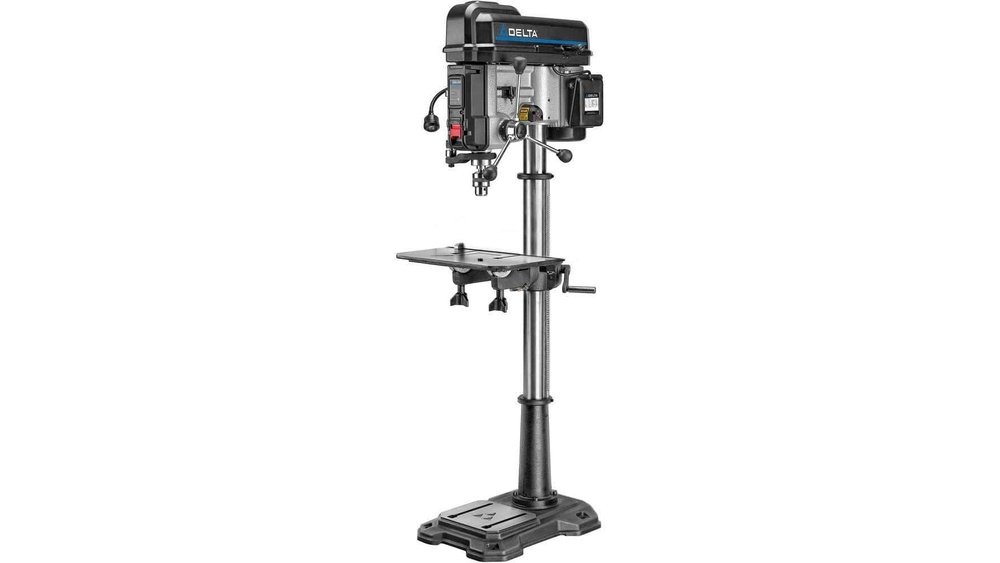
Are you wondering if a standing drill press is a must-have for your workshop? Maybe you’re tired of struggling with handheld drills that don’t give you the precision or power you need.
Or perhaps you want to take your projects to the next level but aren’t sure if investing in a standing drill press is worth it. By the end of this article, you’ll clearly understand what a standing drill press can do for you and whether it fits your needs.
Keep reading to discover how this tool could change the way you work—and save you time and effort.
Benefits Of A Standing Drill Press
A standing drill press offers many benefits for woodworking and metalworking projects. It helps users complete tasks with more ease and professionalism. This tool improves work quality and safety while handling various materials. The following sections explain key advantages of using a standing drill press.
Precision And Accuracy
A standing drill press provides steady control for drilling holes. It keeps the drill bit straight and steady during use. This results in clean, accurate holes every time. Precise drilling reduces mistakes and waste of materials. It also saves time by avoiding the need for corrections.
Increased Safety
Using a standing drill press is safer than handheld drills. The machine holds the workpiece firmly in place. This prevents slipping or moving while drilling. The drill bit is fixed, reducing the chance of injury. Safety features like guards protect users from accidents.
Versatility In Woodworking
A standing drill press works well with different materials. It can drill wood, metal, plastic, and more. Adjustable speeds allow for various drilling needs. This tool also supports sanding, mortising, and other tasks. It is a useful addition to any workshop for many projects.
Types Of Drill Presses
Choosing the right drill press depends on understanding the types available. Drill presses come in various styles and sizes. Each type suits different tasks and workspace sizes. Knowing these options helps you pick the best one for your needs.
Below are key types and features to consider before buying a drill press.
Bench-top Vs. Standing Models
Bench-top drill presses are small and fit on a workbench. They save space and are easy to move. Good for light tasks and small projects.
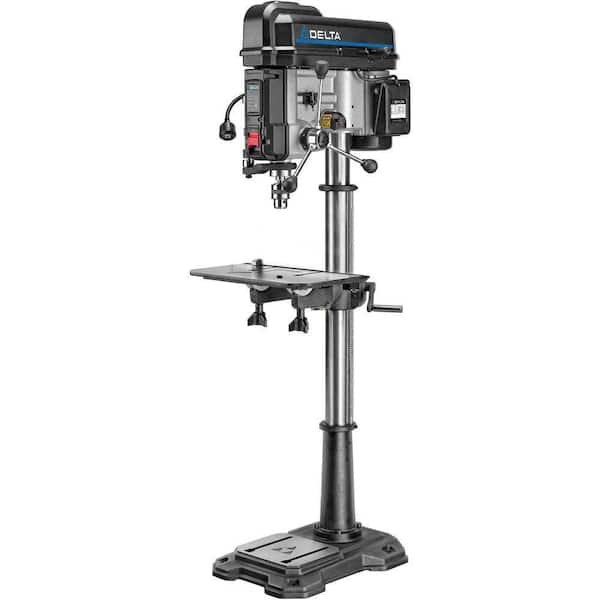
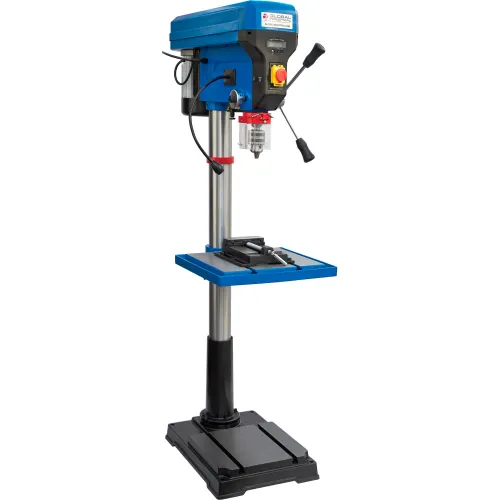
Standing drill presses are larger and sit on the floor. They offer more power and stability. Better for heavy-duty work and bigger materials.
Variable Speed Options
Some drill presses have fixed speeds. These are simple but less flexible for different materials. Variable speed models allow you to adjust speed easily.
Changing speed helps drill through wood, metal, or plastic more effectively. It also extends the drill press’s life.
Size And Power Considerations
Size affects how much space the drill press needs. Larger machines handle bigger jobs but require more room. Smaller presses fit tight spaces but have less power.
Power is measured in amps or horsepower. Higher power means faster drilling and better performance on tough materials. Match power to your typical projects for best results.
Space And Workshop Setup
Setting up a workshop space is a key step before buying a standing drill press. The size and layout of your area affect how well the drill press fits. You want a setup that is safe, comfortable, and efficient.
Think about how the drill press will fit with other tools and your workspace flow. This helps avoid crowded or awkward spots. Proper planning makes your work easier and safer.
Assessing Available Space
Measure the area where you plan to place the drill press. Check the width, depth, and height. Standing drill presses need room for the machine and your movements.
Leave extra space around the drill press for loading materials and adjustments. Crowded areas reduce your ability to work safely. A clear area also helps with cleaning and maintenance.
Ergonomics And Accessibility
Place the drill press at a height that suits your body. You should not bend too much or stretch to use it. Good ergonomics prevent strain and injury.
Make sure the power switch and controls are easy to reach. Keep the drill press away from walkways to avoid accidents. Also, check lighting to see your work clearly.
Storage Solutions
Plan where to keep drill bits and accessories near the drill press. Use shelves, drawers, or pegboards for organized storage. This saves time and reduces frustration.
Store safety gear like goggles and gloves close by. An organized setup helps maintain focus and improves workflow. Avoid clutter to keep your workshop tidy and safe.
:max_bytes(150000):strip_icc()/WD322834-1ea0508b9fb74ab0b49eb7ed783de4cd.jpg)
Credit: www.woodmagazine.com
Budget And Investment
Buying a standing drill press is a serious choice. It is not just about the price tag. You must think about the total cost and the benefits you get. This tool can last many years if you pick the right one. Budget and investment go hand in hand when deciding on this machine. Let’s break down the key points to help you understand the costs involved.
Cost Vs. Features
Standing drill presses come in many price ranges. Cheaper models have fewer features. They might be less powerful or smaller. More expensive models offer better speed control and sturdier build. Think about what features you really need. Spending more might save you trouble later. A tool with good features can do more jobs well.
Long-term Value
Choose a drill press that lasts long. A strong machine means fewer replacements. Quality tools hold their value better. They also keep working smoothly over time. This saves money on repairs or buying new tools. A good drill press can become a valuable part of your workshop.
Maintenance Expenses
All tools need care. Standing drill presses require some maintenance. Check costs for parts like belts or bearings. Some models need less upkeep than others. Regular cleaning and oiling keep the machine running. Budget for these small expenses to avoid surprises. Good maintenance extends the life of your drill press.
Common Projects For A Standing Drill Press
A standing drill press is a versatile tool for many projects. It offers steady and precise drilling, which is hard to achieve with hand drills. Many woodworkers and metalworkers use it for repeated and detailed tasks. The following sections explore common projects where a standing drill press shines.
Drilling Repetitive Holes
A standing drill press makes drilling many holes easier and faster. You can set the depth and position for each hole. This ensures every hole is the same size and depth. Perfect for making furniture or cabinets where many holes are needed. The drill press helps keep holes straight and clean. It saves time and effort compared to manual drilling.
Mortising And Joinery
Mortising is cutting square or rectangular holes in wood. These holes fit tenons for strong joints. A standing drill press can be used with special mortising attachments. This allows precise cuts for tight-fitting joints. Joinery tasks like doweling also benefit from the drill press. It helps align holes accurately for better fitting parts. The result is stronger and more professional woodwork.
Sanding And Shaping Attachments
Drill presses can hold sanding drums or shaping tools. This turns the drill press into a small sander or grinder. It is useful for smoothing edges or shaping small parts. The steady speed and firm hold improve control over the work. This setup works well for detailed finishing jobs. It reduces hand fatigue and increases the quality of the finish.
Alternatives To A Standing Drill Press
Choosing a standing drill press might not always be the best fit for every workshop or project. Many tools and methods can offer similar results with less space or cost. Exploring these alternatives helps you decide what suits your needs best. Each option has its strengths and works well for different tasks and skill levels.
Handheld Drills
Handheld drills are versatile and easy to use. They allow drilling in tight spaces where a standing drill press cannot fit. These drills work well for small jobs or quick fixes. Users can move the drill at different angles, which adds flexibility. Cordless versions give even more freedom without cables. The main downside is less precision compared to a drill press.
Drill Guide Accessories
Drill guide accessories attach to handheld drills to improve accuracy. They hold the drill steady and keep it straight during use. This accessory is affordable and portable. It helps beginners drill holes with better control. Drill guides come in various sizes for different project types. They are a good step-up for those who want more precision without buying large equipment.
Cnc And Automated Solutions
CNC machines offer precise and automated drilling for complex projects. These tools follow computer programs to drill exact holes repeatedly. CNC solutions suit professionals and advanced hobbyists. They save time on large batches of parts. These machines require some training and higher investment. CNC tools fit well in workshops focusing on precision and volume.
Tips For Choosing The Right Drill Press
Choosing the right drill press makes a big difference in your woodworking projects. This tool must fit your needs and skill level. Consider several factors to pick the best one. The right drill press saves time and improves your work quality.
Here are some tips to help you select the right drill press for your workshop.
Evaluating Your Woodworking Needs
Think about the size and type of projects you want to do. Small projects might need a benchtop drill press. Larger projects call for a standing drill press with more power. Also, consider the materials you will drill most often. Hardwoods need a stronger motor. Softwoods and plastics need less power. Assessing your needs helps find the right machine.
Checking Brand Reputation
Choose brands known for quality and durability. Read reviews from real users. Reliable brands offer better customer support and parts availability. Avoid brands with many complaints about defects or poor service. A good brand name often means better value for your money.
Testing Features And Controls
Look at the drill press controls before buying. Easy-to-use speed settings and adjustable tables help accuracy. Test how smoothly the drill moves up and down. Check if the depth stop is simple to set. Features should make your work easier and safer. Controls that feel right improve your comfort and results.
Credit: www.homedepot.com
Credit: www.globalindustrial.com
Frequently Asked Questions
What Is A Standing Drill Press Used For?
A standing drill press is used for precise drilling in wood, metal, or plastic. It offers stability and accuracy, ideal for repetitive tasks and professional projects.
How Does A Standing Drill Press Differ From Handheld Drills?
A standing drill press provides more power and precision. It is fixed in place, allowing consistent drilling depth and angle, unlike handheld drills which rely on user control.
Do I Need A Standing Drill Press For Home Projects?
If you frequently drill precise holes or work with tough materials, a drill press is helpful. For occasional or simple tasks, a handheld drill may suffice.
What Size Standing Drill Press Should I Buy?
Choose a drill press size based on your workspace and project needs. Smaller models suit light tasks, while larger ones handle heavy-duty drilling and bigger materials.
Conclusion
A standing drill press offers steady and precise drilling power. It suits those who work on wood, metal, or other materials often. Small projects may not need this tool, but bigger jobs benefit greatly. Space and budget also matter when deciding to buy one.
Think about your needs carefully before making a choice. A standing drill press can be a helpful addition to your workshop. It makes drilling easier and more accurate. Choose what fits your work and budget best.
