


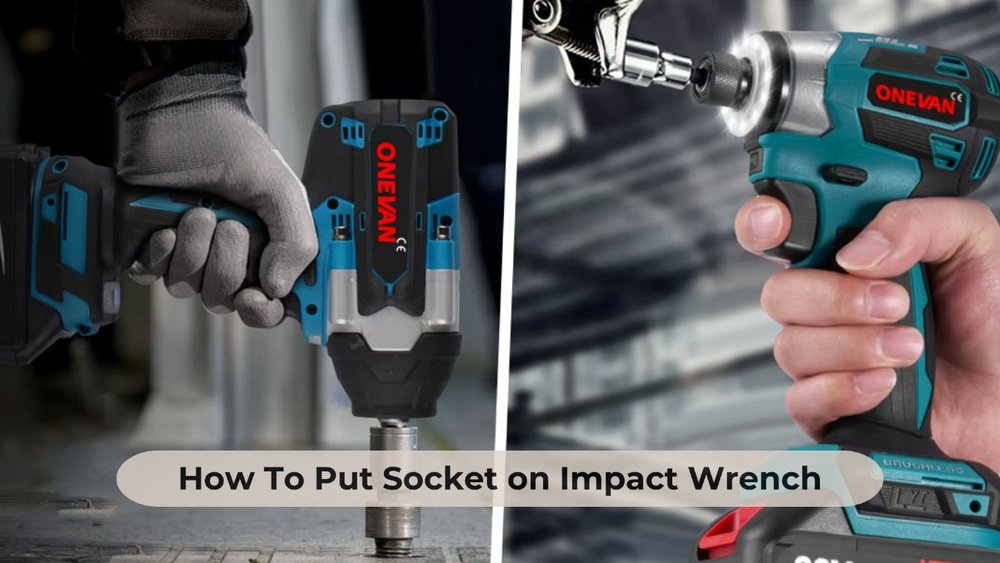
Are you wondering if your regular sockets can handle the power of an impact driver? Using the wrong sockets might lead to stripped bolts, damaged tools, or even injury.
But how do you know what’s safe and what’s not? You’ll discover why special impact sockets matter, how they protect your tools, and when you absolutely need them. Keep reading to save time, avoid costly mistakes, and get the most out of your impact driver.
Impact Drivers Vs. Regular Drills
Impact drivers and regular drills look similar but work differently. Both tools help with screws and drilling, yet each suits different tasks. Knowing the differences helps you pick the right tool for your job.
Power And Torque Differences
Impact drivers deliver more torque than regular drills. Torque means twisting force. This helps drive screws faster and deeper without stripping.
Regular drills offer less torque but better speed control. They work well for simple drilling and light screw tasks. Impact drivers handle tough jobs with harder materials better.
Tool Design Variations
Impact drivers have a unique design with a hammering action. This adds bursts of force while spinning. It reduces wrist strain and improves grip on screws.
Regular drills spin smoothly without hammering. They use chucks to hold drill bits or screwdriver bits. Impact drivers use a quick-release collet for hex-shank bits only.
Because of these design differences, impact drivers need special sockets. Regular drill sockets may not fit or hold well on impact drivers.
Why Special Sockets Matter
Impact drivers use strong, fast bursts of power. Regular sockets often break or wear out quickly. Special sockets are made to handle this power safely. They keep you safe and help your tools last longer.
Using the right sockets saves money and avoids delays. They fit better and work more efficiently. This makes your work smoother and more reliable.
Durability Under High Torque
Impact drivers create very high torque. Regular sockets can crack or snap under this force. Special sockets have thick walls and strong shapes. They resist breaking and bending during use. This durability is key for tough jobs.
Material Strength Requirements
Special sockets use strong materials like chrome molybdenum steel. These materials handle stress better than regular steel. They absorb impact without damage. This strength helps the socket last through many uses. It also protects the driver and fasteners from damage.
Types Of Impact Sockets
Impact drivers need special sockets to handle high torque and force. Normal sockets can break or wear out quickly under such pressure. Impact sockets are made with strong materials that resist cracking and deformation. These sockets also have thicker walls to absorb impacts better. Two common types of impact sockets are chrome molybdenum and chrome vanadium. Each type offers unique benefits for different uses.
Chrome Molybdenum Sockets
Chrome molybdenum sockets are built for heavy-duty tasks. They are very strong and can handle high torque without breaking. These sockets are heat-treated for extra durability. They work well with impact drivers and air tools. Their toughness makes them ideal for professional mechanics and construction workers. Chrome molybdenum sockets last longer under harsh conditions.
Chrome Vanadium Sockets
Chrome vanadium sockets are common and affordable. They are strong but less tough than chrome molybdenum sockets. These sockets suit light to medium tasks. They provide good resistance to wear and corrosion. Chrome vanadium sockets fit well with hand tools and some impact drivers. They offer a balance of strength and cost for casual users.
Using Regular Sockets With Impact Drivers
Using regular sockets with impact drivers is a common question among DIYers and professionals. Regular sockets are designed for hand tools or standard power tools. Impact drivers deliver rapid, high-torque bursts that can be tough on tools not built for them.
Regular sockets may seem like a quick solution. They might fit on your impact driver. But their construction is different from impact-rated sockets. This difference matters for safety and tool longevity.
Risks And Potential Damage
Regular sockets often use thinner metal. High torque from impact drivers can cause cracks or breaks. This can lead to sudden socket failure during use. Broken pieces can fly off, risking injury.
The socket may also damage the fastener. It can round off nuts or bolts. This makes removal difficult and can ruin the hardware.
Using regular sockets can also harm the impact driver itself. The driver’s hammering action may stress the tool’s mechanism. Over time, this causes wear and reduces tool life.
When It Might Be Acceptable
Using regular sockets can work for light tasks. Tasks with low torque demands may be safe. Hand-tightening or small screws might not cause damage.
For occasional use, some users choose regular sockets to save cost. It is best to inspect sockets regularly for wear or damage. Replace any socket showing cracks or deformation.
Always avoid using regular sockets for heavy-duty or frequent impact work. The risk to safety and tool damage is too high.
Choosing The Right Socket Size And Fit
Choosing the right socket size and fit is important for using an impact driver safely. The correct socket helps you work faster and avoid damage. Using the wrong size can strip bolts or break the socket. Understanding how to pick the right size keeps your tools and fasteners in good shape.
It also makes your work easier. Proper fit means the socket grips the fastener tightly. This reduces slipping and saves time. Knowing the right socket size and fit helps you complete projects with less effort.
Socket Drive Sizes
Sockets come in different drive sizes. The drive size is the square hole that fits on your impact driver. Common sizes include 1/4-inch, 3/8-inch, and 1/2-inch drives. Choose a drive size that matches your impact driver’s anvil.
Using the right drive size keeps the socket secure. It also prevents wear on your tool. Smaller drives suit light tasks. Larger drives are best for heavy-duty jobs. Select the drive size based on the fasteners and the power you need.
Matching Socket To Fastener
Selecting the right socket size for the fastener is key. The socket must fit snugly on the bolt or nut. Check the fastener size in millimeters or inches. Use a socket that matches this size exactly.
A tight fit stops the socket from slipping off. Loose sockets can round off fasteners, causing damage. Some fasteners need deep sockets to reach recessed bolts. Others require standard sockets for easy access.
Always test the socket on the fastener before starting work. This ensures a secure grip and better control. Proper matching saves time and protects your tools and materials.
Credit: www.reddit.com
Maintaining Impact Sockets
Maintaining impact sockets is essential for safety and tool performance. Proper care extends the life of your sockets. It ensures they work well with your impact driver. Neglecting maintenance can cause damage or failure during use. Simple steps keep your sockets clean and ready for tough jobs.
Cleaning And Storage Tips
Remove dirt and grease after each use. Use a dry cloth or brush for cleaning. Avoid water, which can cause rust on sockets. Store sockets in a dry place to prevent moisture damage. Use a case or organizer to keep sockets sorted. Proper storage stops loss and damage from impacts or drops.
Signs Of Wear And Replacement
Check sockets for cracks, chips, or dents regularly. Worn sockets may slip or damage fasteners. Look for rounded edges inside the socket. Damaged sockets can cause injury or tool damage. Replace sockets showing any signs of wear immediately. Using good sockets keeps your work safe and efficient.
Top Brands For Impact Sockets
Choosing the right brand for impact sockets ensures safety and durability. Not all sockets suit impact drivers. Special impact sockets can handle the strong force from these tools. Top brands offer reliable sockets built for tough jobs. Their products last longer and perform better.
Popular Manufacturers
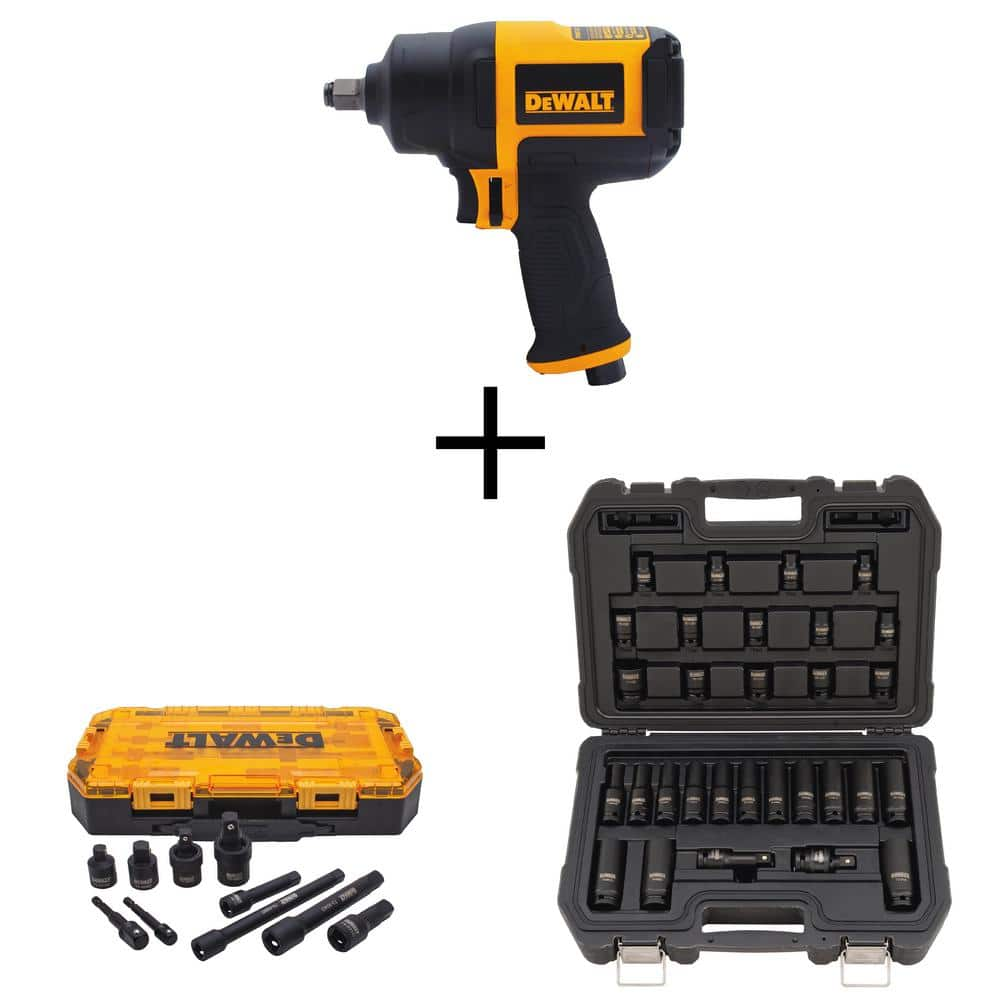
Several brands lead the market for impact sockets. Milwaukee is known for high-quality and durable tools. DeWalt offers a wide range of sockets for professionals. Craftsman provides affordable options for everyday use. Snap-on is a top choice for mechanics and experts. Each brand makes sockets with strong materials and precise designs.
Quality Vs. Price Considerations
Higher price often means better quality and longer life. Cheaper sockets may wear out fast or break under pressure. Investing in good sockets saves money by avoiding frequent replacements. Some brands balance quality and price well. It is smart to pick sockets that fit your budget and task needs.
Credit: www.homedepot.com
Safety Tips When Using Impact Drivers
Using an impact driver can make many tasks easier and faster. Safety is very important when using this powerful tool. Taking the right safety steps helps prevent accidents and injuries. Understanding how to use sockets and protective gear correctly improves your work experience.
Proper Socket Installation
Always use sockets made for impact drivers. These sockets are stronger and last longer. Check if the socket fits tightly on the driver. Loose sockets can slip and cause injury. Push the socket firmly onto the driver’s anvil. Make sure it clicks into place. Avoid using regular sockets; they can break under impact.
Protective Gear Recommendations
Wear safety glasses to protect your eyes from flying debris. Use ear protection to reduce noise from the driver. Gloves help protect your hands from vibration and sharp edges. Wear sturdy shoes to protect your feet. Avoid loose clothing that may get caught in the tool. Always keep a clean workspace to avoid slips and falls.

Credit: www.youtube.com
Frequently Asked Questions
Do I Need Impact Sockets For My Impact Driver?
Yes, impact sockets are necessary for impact drivers. They are designed to withstand high torque and vibrations. Regular sockets may crack or break when used with impact drivers, causing safety risks and tool damage.
What Makes Impact Sockets Different From Regular Sockets?
Impact sockets are made from thicker, tougher steel and have a black oxide finish. This makes them more durable and able to absorb shock, unlike regular sockets that can easily snap under impact driver stress.
Can I Use Regular Sockets With An Impact Driver?
Using regular sockets with an impact driver is not recommended. They lack the strength and durability needed, leading to possible socket damage and unsafe working conditions.
Are Impact Sockets More Expensive Than Standard Sockets?
Impact sockets typically cost more due to their specialized design and materials. However, their durability and safety benefits make them a worthwhile investment for impact driver users.
Conclusion
Special sockets are built to handle strong impacts safely. Using regular sockets can cause damage or break tools. Impact driver sockets have thicker walls and tougher materials. They last longer and protect both the tool and user. Choosing the right sockets saves time and money on repairs.
Always match sockets with your impact driver type. This small step ensures better performance and safety. Keep your work smooth and avoid unexpected breaks. Special sockets make a real difference in heavy-duty jobs. Simple, strong, and made for impact drivers.
