



Are you planning to drill into concrete but unsure if a regular drill will do the job? You might be wondering, “Do I really need a hammer drill for concrete?” This question matters because using the right tool can save you time, effort, and frustration.
Imagine starting your project confidently, knowing you have the perfect drill to get through tough concrete smoothly. You’ll discover why a hammer drill could be your best ally, when it’s necessary, and how it can make your work easier. Keep reading to find out if a hammer drill is the tool you need for your concrete project.
Credit: onevantool.com
When To Use A Hammer Drill
Knowing when to use a hammer drill can save time and effort. This tool is designed to handle tough materials like concrete. It combines rotation with a hammering action to drill holes quickly. Using it in the right situations makes your work easier and faster.
Types Of Concrete Projects
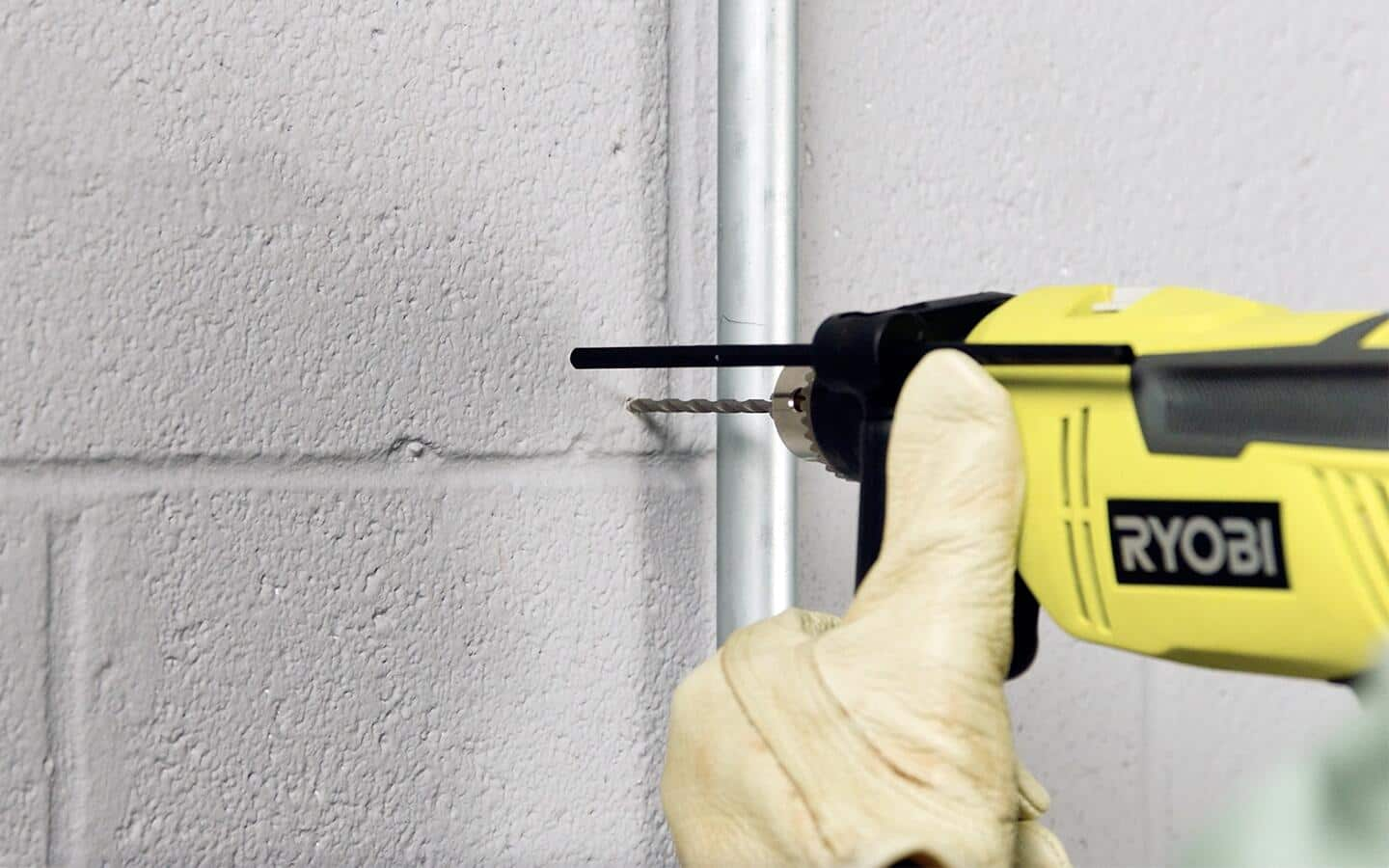
Hammer drills work well for many concrete tasks. They are perfect for drilling holes for anchors, bolts, or screws. Use them for installing shelves or mounting heavy objects on concrete walls. They also help when making holes for electrical wiring or plumbing pipes.
Small concrete blocks and thin walls need less power. In these cases, a regular drill might work. But thick concrete or reinforced walls require a hammer drill. It breaks through the hard surface faster and with less effort.
Advantages Over Regular Drills
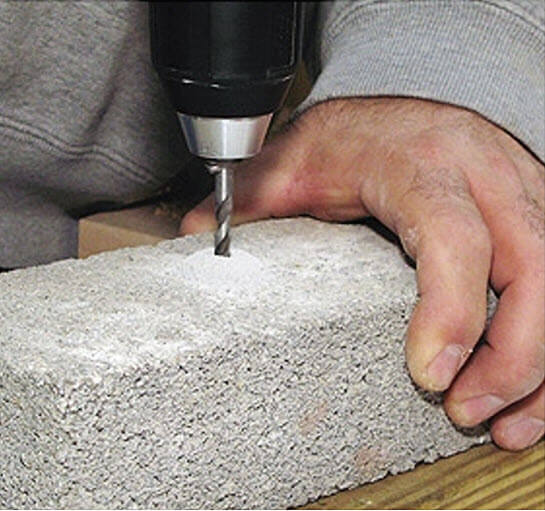
A hammer drill hits the surface while rotating. This action breaks up the concrete as it drills. Regular drills only spin the bit, which can take longer. Hammer drills reduce the chance of the bit slipping or getting stuck.
Using a hammer drill protects the motor from overheating. It also extends the life of the drill bit. These drills make tough jobs easier and reduce physical strain. For concrete work, they offer more power and efficiency than regular drills.
Credit: toolstoday.com
Hammer Drill Features To Consider
Choosing the right hammer drill for concrete requires knowing key features. These features affect how well the drill works and how easy it is to use. Understanding these helps pick a tool that fits your needs and makes your job smoother.
Focus on power, speed, chuck size, and weight. Each plays a role in drilling efficiency and comfort.
Power And Speed Settings
Power matters for drilling into tough concrete. Look for a drill with enough wattage or amps. Higher power means easier drilling through hard surfaces.
Variable speed settings let you control the drill’s speed. Lower speeds work for precision. Higher speeds help with fast drilling. Speed control gives better results on different tasks.
Chuck Size And Bit Compatibility
The chuck size decides what drill bits you can use. Common sizes are ½ inch and ⅜ inch. Bigger chucks fit bigger bits for heavy jobs.
Check if the drill accepts SDS bits. SDS bits are designed for concrete and last longer. Bit compatibility ensures you can use strong, durable bits without issues.
Weight And Ergonomics
Heavy drills can tire your arms fast. Choose a model that is light enough to hold comfortably.
Ergonomic design means the drill fits well in your hand. Look for soft grips and balanced weight. This reduces fatigue and improves control during use.
Alternative Tools For Concrete
Concrete is a tough material. Drilling or breaking it needs the right tools. A hammer drill is popular, but not the only option. Several tools work well with concrete. Knowing these tools helps you choose the best one for your task.
Rotary Hammer Vs. Hammer Drill
Both tools drill into concrete. A rotary hammer uses a piston to create strong hammering action. It drills faster and deeper. Ideal for heavy-duty jobs and large holes.
A hammer drill combines rotation with a hammering motion. It works well on small to medium concrete jobs. Lighter and easier to handle than a rotary hammer. Good for home repairs and small projects.
Manual Tools And Their Uses
Manual tools can also work on concrete. A chisel and hammer help remove small sections or shape concrete. Requires more effort and time but offers control.
For cracks or small holes, a masonry nail and hammer can do the job. Useful when power tools are not available. Manual tools suit simple, low-scale tasks.
Safety Tips For Drilling Concrete
Drilling into concrete can be tough and risky. Safety must always come first. Proper safety steps help avoid injuries and damage. Follow these important tips to stay safe while drilling concrete.
Protective Gear Essentials
Wear safety glasses to protect your eyes from dust and debris. Use ear protection to guard your hearing from loud noise. Gloves keep your hands safe from rough surfaces and vibration. A dust mask prevents breathing in harmful concrete dust. Wear sturdy shoes to protect your feet from falling objects.
Proper Handling Techniques
Hold the drill firmly with both hands for control. Keep your body balanced and stand on a stable surface. Start drilling slowly to avoid sudden jerks. Do not force the drill; let the tool do the work. Take breaks to avoid fatigue, which can cause accidents. Always unplug the drill before changing bits or cleaning.
Maintaining Your Hammer Drill
Maintaining your hammer drill keeps it working well for a long time. Regular care helps avoid problems and saves money on repairs. Simple steps can protect the drill’s power and speed. Follow easy habits after every use to keep it in top shape.
Cleaning And Storage
Clean dust and dirt from the drill after each job. Use a soft brush or cloth to wipe surfaces. Avoid water or harsh cleaners that can damage parts. Store the drill in a dry, cool place. Keep it in a case to prevent dust build-up. Proper storage stops rust and keeps the drill ready to use.
Replacing Drill Bits
Check drill bits often for wear or damage. Replace bits that are dull or chipped to keep holes clean. Use the right bit for concrete to avoid breaking. Change bits carefully to avoid hurting the drill. Proper bits improve drilling speed and save effort.
Credit: www.homedepot.com
Frequently Asked Questions
What Is A Hammer Drill Used For In Concrete?
A hammer drill combines rotary drilling with hammering action. It breaks hard concrete efficiently. It’s ideal for making holes in masonry and concrete walls.
Can A Regular Drill Work On Concrete?
Regular drills can drill into soft concrete but struggle with hard surfaces. They lack the hammering action. For tough concrete, a hammer drill is more effective and faster.
Do I Need A Hammer Drill For Light Concrete Work?
For light concrete or brick, a regular drill with masonry bits may suffice. But for denser concrete, a hammer drill ensures better performance and durability.
How Does A Hammer Drill Differ From A Rotary Hammer?
A hammer drill uses rapid hammering while rotating. A rotary hammer uses a piston mechanism for stronger impacts. Rotary hammers are better for heavy-duty concrete tasks.
Conclusion
A hammer drill makes drilling into concrete much easier and faster. It uses a hammering action to break the hard surface. For small jobs, a regular drill might work. But for bigger or tougher tasks, a hammer drill saves time and effort.
It also helps keep your drill bit from wearing out quickly. Choosing the right tool depends on how often and how hard you will drill. Consider your project needs before deciding. A hammer drill can be a good investment for many concrete jobs.
