


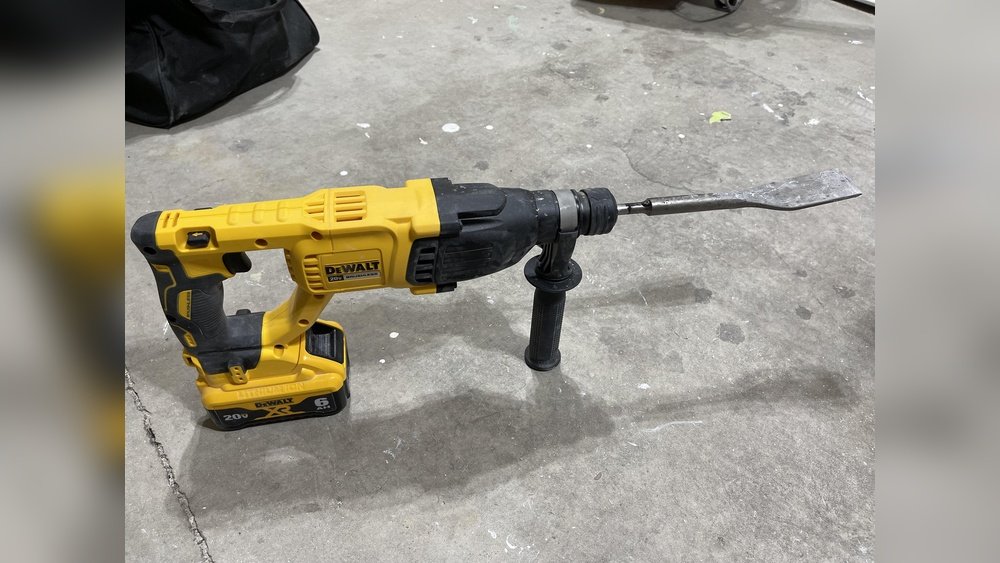
If you own a cordless rotary hammer drill, you probably wonder how to keep it working smoothly. One common question is: does your drill need to be greased?
The answer might surprise you. Proper maintenance can save you money and extend the life of your tool. You’ll learn exactly what you need to do to keep your drill in top shape. Keep reading to find out the simple steps that can prevent costly repairs and keep your work running without a hitch.
Purpose Of Greasing
Greasing is a crucial step in maintaining a cordless rotary hammer drill. It helps the tool work smoothly and avoid damage. Without grease, parts inside the drill can wear out quickly. The purpose of greasing is to keep all moving parts well-lubricated. This reduces friction and heat during operation. Proper greasing ensures the drill runs efficiently and lasts longer.
Role Of Grease In Rotary Hammers
Grease protects gears and bearings inside the drill. It creates a thin layer between metal parts. This layer stops them from rubbing directly against each other. Grease also helps reduce noise and vibration. It keeps dust and debris from entering sensitive areas. This protection lowers the chance of mechanical failure.
Impact On Performance And Longevity
Proper greasing keeps the drill working at its best. It prevents overheating by reducing friction. This means the drill can handle tough jobs without slowing down. Regular greasing also extends the life of the tool. It lowers repair costs by avoiding early wear and tear. A well-greased drill stays reliable for years.
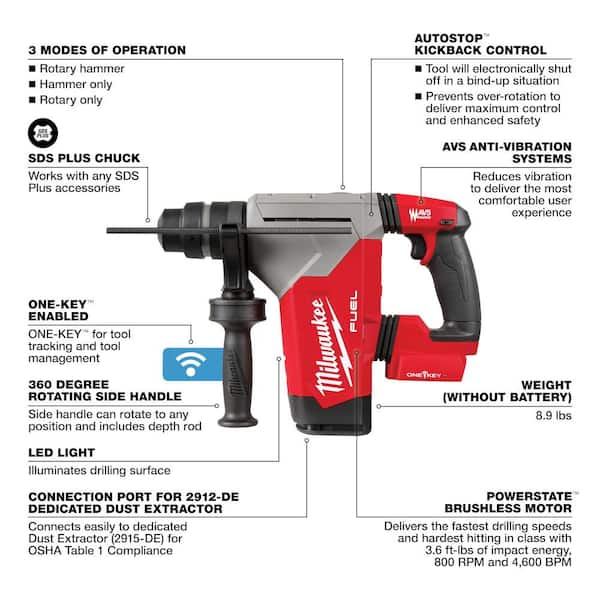
Credit: www.homedepot.com
Signs Your Drill Needs Greasing
Knowing when your cordless rotary hammer drill needs greasing is key to keeping it in good shape. Signs often show up before serious damage. Spotting these early helps you avoid costly repairs and keeps your drill working smoothly. Watch for strange sounds, heat buildup, and slower work speed. These hints tell you that grease might be low or old.
Unusual Noises
Listen closely to your drill while it runs. Grinding, squeaking, or rattling sounds can mean the parts inside lack lubrication. These noises happen when metal rubs against metal without enough grease. Ignoring these sounds may cause parts to wear out faster.
Overheating Issues
Feel the drill after use. If it gets very hot quickly, grease might be missing or dried out. Grease reduces friction and heat. Without it, the motor and bearings work harder and heat up. Too much heat can damage your drill permanently.
Reduced Efficiency
Notice if your drill slows down or struggles to work. Lack of grease makes the drill less smooth. It may take longer to drill holes or feel harder to control. This drop in performance signals that maintenance is needed soon.
Types Of Grease To Use
Choosing the right grease for your cordless rotary hammer drill is important. The right grease protects the tool’s parts from wear and tear. It also helps the drill work smoothly and last longer. Using the wrong grease can cause damage or reduce performance. Understanding which types of grease work best will keep your drill in good shape.
Recommended Grease Varieties
Use lithium-based grease for most cordless rotary hammer drills. It offers good water resistance and stays stable under heat. Another option is synthetic grease, which works well in extreme temperatures. Some manufacturers suggest using specific greases made for power tools. These greases contain additives that reduce friction and prevent rust. Always check your drill’s manual for recommended grease types.
Avoiding Harmful Substances
Do not use grease with solvents or petroleum oils. These can damage rubber seals and plastic parts. Avoid grease that is too thick or too thin. Thick grease may clog moving parts, while thin grease can leak out easily. Grease with metal particles or dirt should never be used. Such substances can cause scratches and wear inside the drill. Stick to clean, high-quality grease for best results.
How Often To Grease
Knowing how often to grease your cordless rotary hammer drill keeps it working well. Greasing reduces wear and tear on the moving parts. It helps the tool run smoothly and last longer. The right greasing schedule depends on how often and how hard you use the drill. Also, following the maker’s instructions is important for the best care.
Usage-based Frequency
Heavy users need to grease their drill more often. For daily or intense use, greasing every 20 to 30 hours works well. Light users can grease every 50 to 60 hours. Watch for signs like noise or stiffness. These signs mean the drill needs grease sooner. Clean the drill parts before applying fresh grease. This keeps dirt from mixing with the lubricant.
Manufacturer Guidelines
Check the user manual for exact greasing rules. Each model has unique needs based on design and parts. Some drills may require greasing after a set number of uses or months. Follow the recommended grease type and amount. Using the wrong grease can harm the drill. Stick to the instructions to keep the warranty valid.
Step-by-step Greasing Process
Greasing your cordless rotary hammer drill keeps it working smoothly. Regular maintenance helps avoid damage and extends tool life. Follow this step-by-step process to grease your drill properly. It is easier than you think and takes just a few minutes.
Tools And Materials Needed
- Clean cloth or rag
- Grease suitable for rotary hammer drills
- Screwdrivers (usually Phillips and flathead)
- Small brush or applicator
- Gloves (optional)
- Work surface or mat
Disassembling The Drill
Remove the battery before starting. Unscrew the housing carefully using the correct screwdriver. Keep screws in a safe place. Gently separate the outer shell to access the internal parts. Avoid forcing parts apart to prevent damage.
Applying Grease Properly
Use a small brush or your finger to apply grease. Focus on moving parts like gears and bearings. Apply a thin, even layer. Do not use too much grease, or it may cause build-up. Wipe off any excess with a clean cloth.
Reassembling And Testing
Put the drill housing back together carefully. Tighten all screws securely but do not overtighten. Reattach the battery and test the drill. Listen for smooth operation and reduced noise. Your drill should feel easier to use after greasing.

Credit: www.ebay.com
Common Mistakes To Avoid
Taking care of your cordless rotary hammer drill means avoiding common greasing mistakes. These errors can cause damage or reduce the tool’s life. Knowing what to avoid helps keep the drill in good shape.
Over-greasing
Putting too much grease in the drill causes problems. Excess grease can attract dirt and dust. This dirt builds up inside and harms moving parts. It may also cause the drill to overheat. Use only the amount of grease recommended by the manufacturer.
Using Incorrect Grease
Not all grease works for rotary hammer drills. Using the wrong type can damage seals and bearings. Some grease breaks down under high heat or pressure. Always check the manual for the right grease type. Using proper grease keeps parts moving smoothly.
Neglecting Regular Maintenance
Many ignore regular cleaning and greasing. This neglect leads to rust, wear, and part failure. Regular checks and maintenance extend the tool’s life. Clean old grease and dirt before applying new grease. Keep a maintenance schedule to avoid costly repairs.
Alternatives To Greasing
Keeping your cordless rotary hammer drill running smoothly is essential. Greasing is one way to do this, but there are other options. These alternatives can help reduce wear and tear without the mess of grease. Understanding these choices can save time and extend your tool’s life.
Self-lubricating Components
Some rotary hammer drills come with self-lubricating parts. These parts use special materials that reduce friction on their own. This means less need for regular greasing. Self-lubricating components can keep your tool working well with minimal upkeep. They help avoid the hassle of applying grease regularly. This option is ideal for users who want low maintenance tools.
Professional Servicing Options
Professional servicing is another way to maintain your drill. Experts clean and lubricate the tool using the right products. They check for damage and fix small problems early. Regular servicing helps keep the tool in peak condition. This option suits those who prefer expert care for their equipment. It ensures your drill lasts longer and performs better.

Credit: www.youtube.com
Frequently Asked Questions
Does A Cordless Rotary Hammer Drill Need Grease?
Yes, cordless rotary hammer drills require grease to maintain smooth operation. Grease reduces friction, prevents wear, and prolongs the tool’s life. Regular lubrication ensures optimal performance and avoids overheating during heavy use. Check your user manual for specific greasing intervals and recommended grease types.
How Often Should I Grease My Rotary Hammer Drill?
Grease your rotary hammer drill every 3 to 6 months, depending on usage. Frequent or heavy-duty use may require more frequent lubrication. Always follow the manufacturer’s guidelines for maintenance schedules. Proper greasing keeps internal parts protected and functioning efficiently.
What Type Of Grease Is Best For Rotary Hammer Drills?
Use high-quality lithium-based or synthetic grease designed for power tools. These greases withstand high temperatures and heavy loads. Avoid using general-purpose or automotive grease, as they may damage seals or bearings. Always refer to the user manual for the recommended grease type.
Can I Over-grease A Cordless Rotary Hammer Drill?
Yes, over-greasing can cause excess buildup, attracting dirt and debris. This may lead to clogging and reduced tool performance. Apply grease sparingly and evenly to avoid damage. Proper greasing means enough to coat parts without excess residue.
Conclusion
Keeping your cordless rotary hammer drill greased helps it work smoothly. Grease reduces friction and stops parts from wearing out fast. Check the user manual to know how often to grease your drill. Too much grease can cause problems, so use the right amount.
Regular care extends the drill’s life and keeps it powerful. Small steps in maintenance make a big difference. Take time to clean and grease your tool. Your drill will thank you with better performance every time.
