



You’ve got a Makita cordless drill battery that’s no longer working, and now you’re wondering how to get rid of it safely. Throwing it in the trash isn’t just bad for the environment—it can also be dangerous.
But don’t worry, disposing of your old battery the right way is easier than you think. You’ll discover simple, step-by-step tips to help you dispose of your Makita cordless drill battery responsibly. Keep reading to protect yourself and the planet while making sure your battery doesn’t cause harm.

Credit: www.youtube.com
Identify Battery Type
Before disposing of your Makita cordless drill battery, identifying its type is important. Different batteries require different handling methods. Knowing the battery type helps you recycle or dispose of it safely.
Start by checking the battery label. This label gives clear information about the battery’s chemistry and specifications. It is usually found on the side or bottom of the battery pack.
Check Battery Label
Look closely at the battery label for key details. You will see the battery model number and voltage. Most importantly, find the battery chemistry type. Common terms include NiCd, NiMH, or Li-ion. This label may also show recycling symbols and safety warnings.
Reading the label helps avoid mixing battery types during disposal. It guides you to the right recycling program. If the label is worn or missing, check the drill manual or Makita’s website for battery info.
Common Battery Chemistries
Makita cordless drills use mainly three battery types. Each has specific disposal rules.
- Nickel-Cadmium (NiCd): Older models often use NiCd batteries. These contain toxic cadmium and must be recycled properly.
- Nickel-Metal Hydride (NiMH): Safer than NiCd but still need special recycling. Avoid throwing them in regular trash.
- Lithium-Ion (Li-ion): Most modern Makita batteries use Li-ion. They have high energy density and require careful disposal to prevent fire risks.
Identifying your battery type prevents environmental harm. It ensures compliance with local disposal laws. Correct sorting helps recover valuable materials and protects nature.
Safety Precautions
Disposing of a Makita cordless drill battery safely is important. These batteries contain chemicals that can harm people and the environment. Taking safety precautions helps avoid accidents and damage during disposal. Follow these steps to handle the battery carefully and protect yourself.
Avoid Damage And Leaks
Never drop or crush the battery. Physical damage can cause leaks or fires. Store the battery in a cool, dry place before disposal. Keep it away from metal objects that might cause a short circuit. Do not expose the battery to heat or open flames. Handle the battery gently to prevent punctures or cracks.
Protective Gear
Wear gloves when handling the battery. This protects your skin from harmful chemicals. Use safety glasses to guard your eyes from any leaks. Avoid touching the battery terminals with bare hands. Protective gear reduces the risk of injury during battery disposal.
Local Disposal Regulations
Disposing of a Makita cordless drill battery requires following local rules. These rules protect the environment and keep people safe. Batteries contain chemicals that can harm soil and water. Local disposal regulations guide you on how to handle these batteries properly. Understanding these rules helps you avoid fines and supports recycling efforts.
Find Authorized Centers
Authorized centers accept used drill batteries for safe disposal. These centers follow strict guidelines to recycle or dispose of batteries. You can find these centers at hardware stores, recycling facilities, or special collection events. Many cities have designated drop-off points for batteries. Always use authorized centers to avoid illegal dumping. Check your local government website for locations near you.
Battery Disposal Laws
Battery disposal laws vary by state and country. Some places ban batteries in regular trash. They require batteries to be recycled or taken to special facilities. Violating these laws can lead to fines or penalties. Laws often focus on preventing chemical leaks and fire risks. Learn your area’s rules before disposing of any battery. Following these laws helps protect the environment and your community.
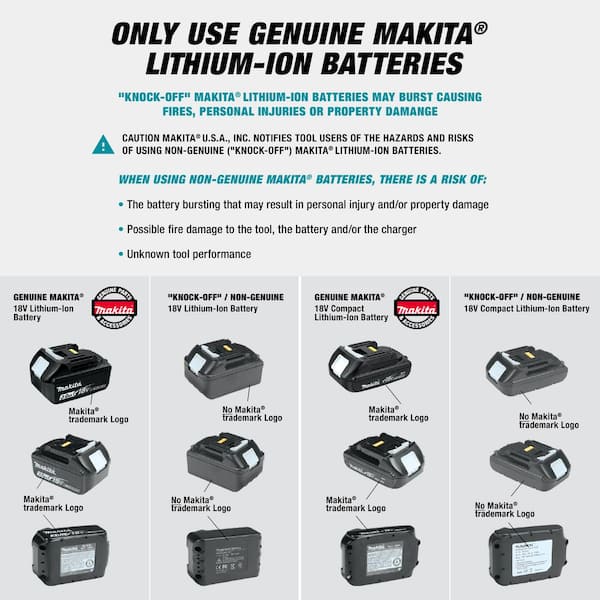
Credit: www.homedepot.com
Recycling Options
Recycling your Makita cordless drill battery helps protect the environment. These batteries contain materials that can harm the earth if thrown in the trash. Recycling keeps these materials out of landfills and allows recovery of valuable parts. Several options exist to recycle these batteries safely and easily.
Manufacturer Take-back Programs
Makita offers a take-back program for used batteries. This program lets you send old batteries back to the company. They handle proper recycling and disposal. Visit the Makita website for instructions and shipping details. This option ensures your battery is recycled by experts.
Retail Drop-off Locations
Many stores accept used cordless drill batteries for recycling. Hardware stores and electronics shops often have drop-off bins. These locations collect batteries safely and send them for recycling. Check with local stores to find a nearby drop-off point. This makes recycling convenient and quick.
Prepare Battery For Disposal
Preparing your Makita cordless drill battery for disposal is an important step. It helps avoid accidents and protects the environment. Proper preparation also makes recycling easier and safer.
First, you need to clean and seal the battery terminals. This prevents short circuits during handling. Next, pack the battery carefully to avoid damage. Proper packaging keeps the battery safe during transport.
Clean And Seal Terminals
Start by wiping the battery terminals with a dry cloth. Remove any dirt or debris. Do not use water or cleaning liquids. After cleaning, cover the terminals with electrical tape. This stops metal objects from touching the terminals. Sealing the terminals reduces the risk of sparks or fires.
Packaging Tips
Use a non-conductive material like bubble wrap or foam to wrap the battery. Avoid using newspaper or cloth that can catch fire. Place the wrapped battery in a sturdy plastic or cardboard box. Fill empty spaces with packing material to prevent movement. Label the box as containing lithium-ion batteries if possible. This alerts handlers to take care.
Avoid Common Mistakes
Disposing of a Makita cordless drill battery needs care. Many people make mistakes that harm the environment or cause danger. Knowing what to avoid keeps you safe and protects nature. Here are two big mistakes to watch out for.
Do Not Throw In Trash
Throwing a Makita battery in the trash is unsafe. Batteries contain harmful chemicals that can leak. These chemicals pollute soil and water. Trash trucks and landfills are not designed for battery waste.
Many areas have special recycling programs for batteries. Use these programs to dispose of your battery. It helps recycle valuable materials and keeps toxins away from the earth.
Avoid Water Exposure
Keep the battery dry at all times. Water can cause short circuits inside the battery. This may lead to leaks or fires. Never throw the battery into water or leave it in wet places.
Before recycling, ensure the battery is completely dry. This simple step prevents accidents during handling and transport.
Benefits Of Proper Disposal
Proper disposal of a Makita cordless drill battery keeps the environment safe from harmful chemicals. It also helps prevent fires and pollution. Recycling old batteries saves resources and reduces waste.
Proper disposal of a Makita cordless drill battery helps protect the environment. It stops harmful chemicals from leaking into the soil and water. This keeps plants, animals, and people safe.
Safe disposal also reduces the risk of fires and accidents. Batteries contain materials that can be dangerous if not handled correctly. Following the right steps keeps communities safe and clean.
Environmental Impact
Batteries have toxic chemicals like lead and lithium. These can pollute the earth if batteries are thrown away carelessly. Proper disposal ensures these materials are recycled or handled safely.
Recycling battery parts saves natural resources. It lowers the need to mine new metals. This protects forests, rivers, and wildlife habitats from damage.
Safety For Community
Improper battery disposal can cause fires in trash bins or landfills. Batteries may short circuit and start burning. This puts waste workers and nearby homes at risk.
Safe disposal reduces these dangers. It also stops harmful fumes from spreading in the air. Communities stay healthier and safer with proper battery handling.
.jpg?trim.threshold=80&trim.percentpadding=1&bgcolor=ffffff&anchor=middlecenter)
Credit: www.makitatools.com
Frequently Asked Questions
How To Safely Dispose Of A Makita Cordless Drill Battery?
Take your battery to a local recycling center or battery disposal site. Many hardware stores also accept used batteries for safe recycling. Never throw the battery in regular trash as it contains harmful chemicals.
Can I Recycle A Makita Cordless Drill Battery?
Yes, Makita drill batteries are recyclable. They contain valuable metals and materials that can be reused. Use designated recycling programs or drop-off points to ensure proper handling.
Where To Find Makita Battery Recycling Locations?
Check with Makita’s official website or local hardware stores for recycling locations. Many communities have battery collection events or hazardous waste facilities accepting these batteries.
Why Should Makita Batteries Not Be Thrown In Trash?
Makita batteries contain toxic chemicals that can harm the environment. Throwing them in trash risks leaks and fires. Proper disposal prevents pollution and promotes safety.
Conclusion
Disposing of a Makita cordless drill battery safely protects the environment. Take old batteries to designated recycling centers or collection points. Avoid throwing batteries in regular trash bins. Many stores and service centers accept used batteries. Proper disposal prevents harmful chemicals from leaking.
It also helps recover valuable materials. Always follow local rules for battery disposal. Doing this keeps your community clean and safe. Keep your tools working and the earth healthy. Small actions make a big difference over time.
