



Are you struggling to get the perfect speed on your drill press? Changing the speed can seem tricky at first, but once you know how, it makes your work smoother and more precise.
Whether you’re drilling into wood, metal, or plastic, the right speed can save you time and prevent damage. You’ll learn simple, step-by-step tips to adjust your drill press speed quickly and safely. Keep reading, and soon you’ll handle your drill press like a pro.
Credit: www.youtube.com
Drill Press Basics
A drill press is a tool used to drill holes with precision. It is more stable than a hand drill. This stability helps you drill straight and clean holes every time.
Understanding how a drill press works makes it easier to change its speed. Speed affects how well the drill cuts through different materials. Knowing the basics helps you use the drill press safely and effectively.
Key Components
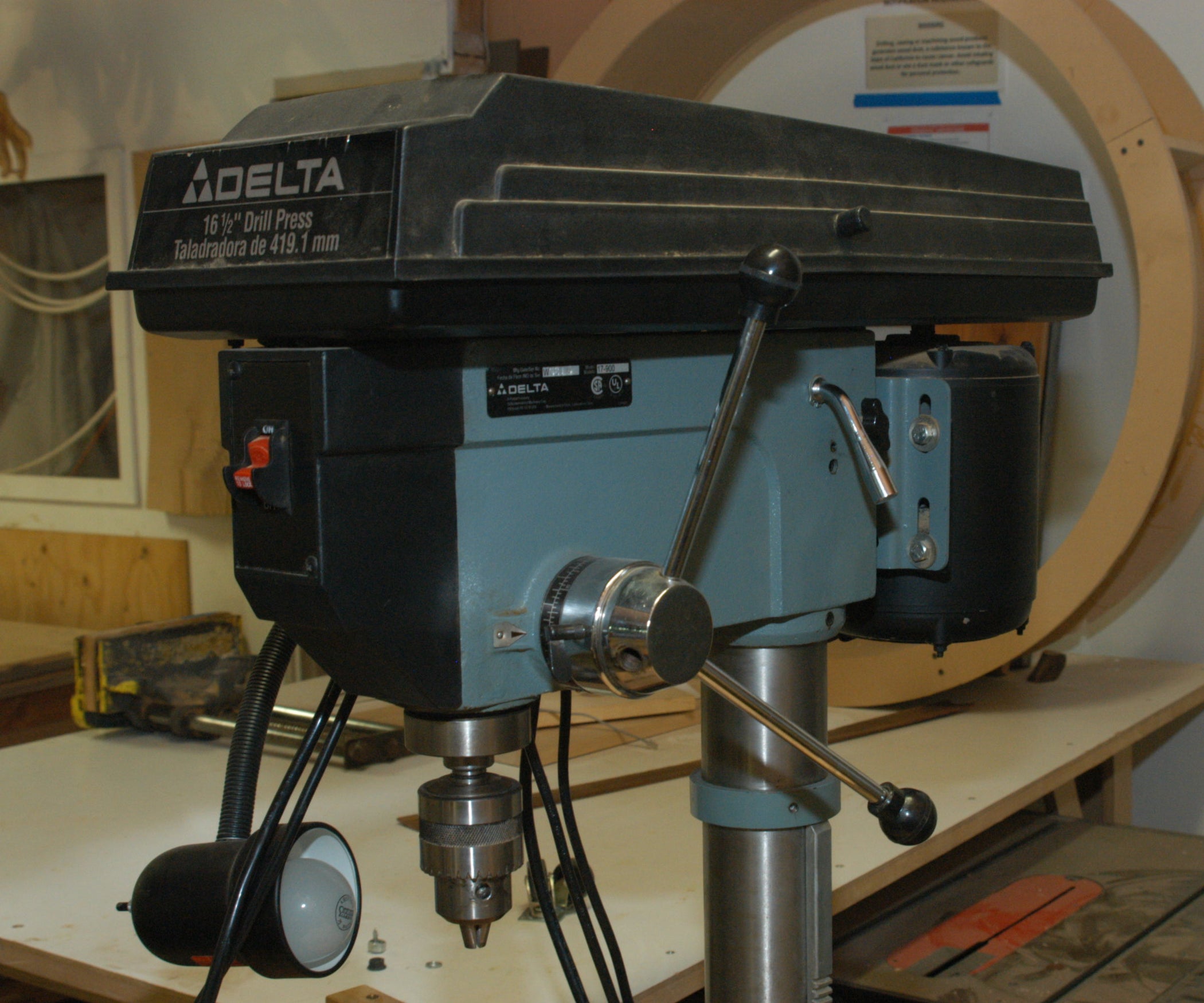
The drill press has several important parts. The motor powers the drill. The spindle holds the drill bit. The table supports the material you are drilling. The base keeps the drill press steady. The feed lever lowers the drill bit into the material.
Speed control often involves the motor and spindle. Some drill presses have belts that change speed. Others use electronic speed controls. Knowing these parts helps you adjust speed correctly.
Types Of Drill Presses
There are different types of drill presses. The most common is the bench-top drill press. It is small and sits on a workbench. Floor drill presses are larger and stand on the floor. They offer more power and height.
Some drill presses have variable speed controls. Others use fixed speeds with belt changes. Each type suits different drilling tasks. Choose the one that fits your needs best.
Credit: www.instructables.com
Speed Settings Explained
Understanding the speed settings on a drill press helps you work safely and efficiently. Each material and bit type needs a certain speed to drill properly. Using the right speed prevents damage and gives clean holes. Let’s break down how speed settings work and why they matter.
Importance Of Speed Control
Speed control keeps your drill press safe and effective. High speeds can overheat the drill bit and damage materials. Low speeds might cause rough holes or bit slipping. Adjusting speed helps match the tool to the job. It improves accuracy and extends the drill press life.
Common Speed Ranges
Drill presses usually offer speed ranges from 250 to 3000 RPM. Soft materials like wood use higher speeds, around 1500 to 3000 RPM. Hard materials such as metal require slower speeds, often 250 to 1000 RPM. The drill bit size also affects the speed choice. Bigger bits work best at lower speeds to avoid burning.
Manual Speed Adjustment
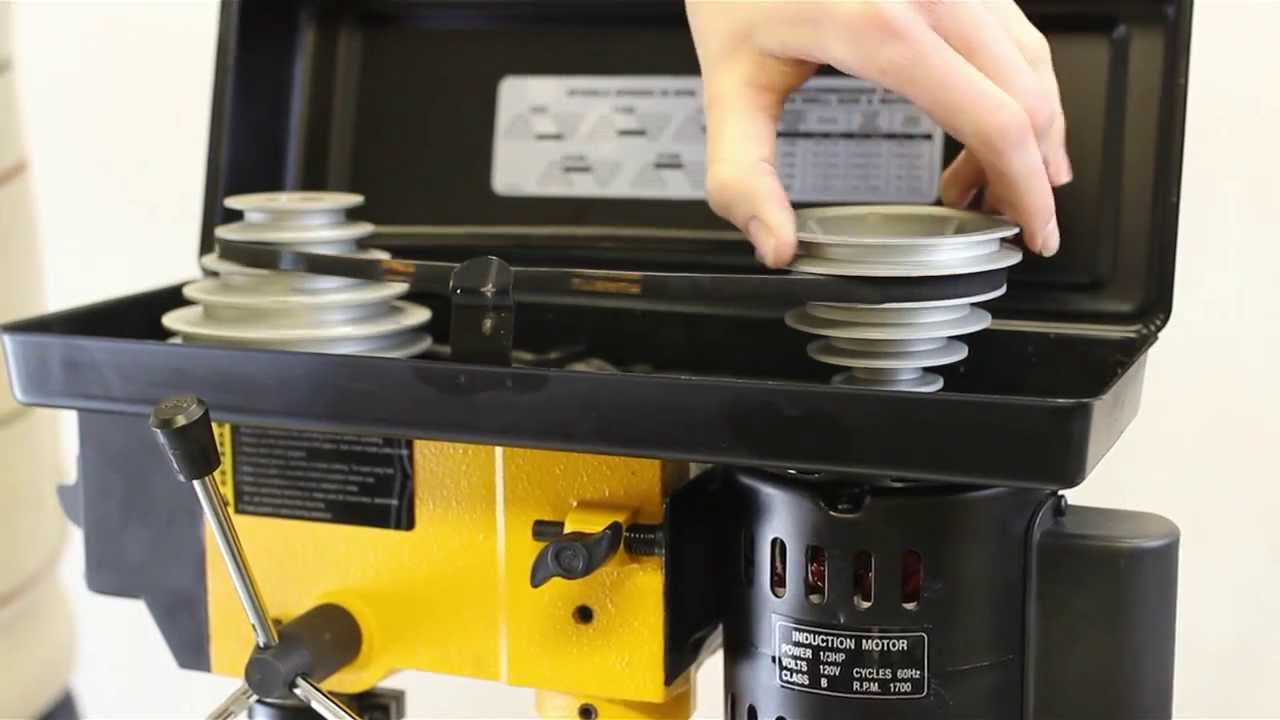
Manual speed adjustment on a drill press allows you to control the drilling speed without electronics. This method uses belts and pulleys to change the speed. It gives you direct control and helps match the speed to the material and bit size.
Adjusting The Belt And Pulleys
The drill press has a belt running over two pulleys. One pulley is connected to the motor, the other to the drill spindle. Moving the belt to different pulley steps changes the speed. A wider pulley on the motor and a smaller pulley on the spindle means higher speed. A smaller pulley on the motor and a wider one on the spindle means slower speed.
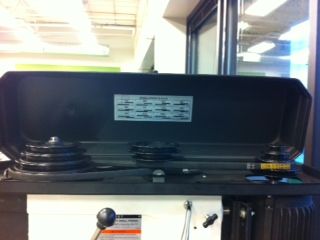
To adjust, first unplug the drill press. Open the top cover to access the pulleys and belt. Loosen the motor mount to reduce belt tension. Carefully move the belt to the desired pulley steps. Tighten the motor mount again to keep the belt tight. Close the cover before turning on the drill press.
Changing The Pulley Positions
Changing pulley positions helps set the speed range. Some drill presses have stepped pulleys with multiple grooves. Move the belt to different grooves to change speed. Each groove combination gives a different speed ratio.
For accurate speed, check the drill press manual for pulley positions. Always ensure the belt fits well in the grooves. A loose or slipping belt lowers performance. Adjust pulley positions slowly and test the speed before starting your work.
Credit: www.instructables.com
Variable Speed Drill Presses
Variable speed drill presses offer more control over drilling tasks. They allow changing the speed easily to match different materials and drill bit sizes. This flexibility improves drilling accuracy and safety.
These machines have built-in controls that adjust the motor speed without changing belts or pulleys. Users can switch speeds quickly while working, saving time and effort.
Using The Speed Control Dial
The speed control dial is simple to use. Turn the dial clockwise to increase speed and counterclockwise to reduce it. Most dials have clear markings that show speed ranges in RPM (revolutions per minute).
Adjust the speed before starting the drill press for best results. Some models allow speed changes while the machine runs, but check the manual first. Always set the speed based on the material hardness and drill bit size.
Advantages Of Variable Speed
Variable speed drill presses work well with many materials like wood, metal, and plastic. Slower speeds help with hard metals and large bits. Faster speeds suit soft materials and small bits.
This flexibility reduces drill bit wear and extends tool life. It also improves safety by preventing overheating and slipping. Users get cleaner holes and better control during drilling tasks.
Safety Tips When Changing Speed
Changing the speed on a drill press requires care and attention. Safety should always come first to prevent accidents and damage. Follow these safety tips to protect yourself and keep your drill press working well.
Power Off Before Adjusting
Always turn off the drill press before changing the speed. Unplug the machine to stop any accidental start. This step stops the drill from moving while you adjust the belts or pulleys. It keeps your hands safe from the spinning parts.
Proper Belt Tension
Check the belt tension before and after changing speed. A loose belt can slip and cause the drill to stop suddenly. A tight belt can wear out the machine parts faster. Adjust the tension so the belt is firm but not too tight. This helps the drill run smoothly and safely.
Troubleshooting Speed Issues
Speed problems on a drill press can slow down your work. Identifying these issues quickly helps you fix them and keep working smoothly. This section covers common speed issues and how to solve them.
Slipping Belts
Slipping belts cause the drill press to lose speed. Check the belts for wear or cracks. Tighten loose belts to improve grip. Replace belts that look old or damaged. Keep the pulleys clean to prevent slipping. Proper belt tension keeps the speed steady.
Inconsistent Speeds
Inconsistent speeds make drilling uneven and unsafe. Look for worn or damaged pulleys. Clean the pulleys to remove dust and dirt. Make sure the belt sits correctly on the pulleys. Check the motor for any electrical issues. Regular maintenance helps keep speed consistent.
Speed Recommendations For Materials
Choosing the right speed on a drill press depends on the material you drill. Different materials need different speeds to avoid damage and get clean holes. Using the correct speed helps the drill bit last longer and improves safety.
Wood Drilling Speeds
Wood usually drills best at high speeds. Softwoods can handle faster speeds, around 2000 to 3000 RPM. Hardwoods need slower speeds, about 1000 to 1500 RPM. Too fast can burn the wood. Too slow may cause rough holes.
Metal Drilling Speeds
Metal requires slower speeds than wood. Soft metals like aluminum need speeds around 1000 to 1500 RPM. Hard metals like steel need even slower speeds, about 300 to 600 RPM. Use cutting oil to cool and protect the drill bit.
Plastic Drilling Speeds
Plastic drills best at medium speeds. Too fast may melt the plastic. Aim for 1000 to 2000 RPM. Use a sharp bit and steady pressure. This avoids cracking and gives smooth holes.
Frequently Asked Questions
How Do You Adjust The Speed On A Drill Press?
To adjust the speed, first unplug the drill press for safety. Open the pulley cover, then move the belt to different pulleys. This changes the gear ratio, altering the drill speed. Finally, close the cover and plug the machine back in.
What Tools Are Needed To Change Drill Press Speed?
Typically, no extra tools are needed. You only use your hands to move the belt across pulleys. Some models may require a wrench to loosen the belt tension. Always consult your drill press manual for specific instructions.
Can You Change Speed While Drill Press Is Running?
No, you should never change the speed while the drill press is running. Always turn off and unplug the machine before adjusting the belt. This prevents accidents and damage to the drill press.
Why Is Changing Drill Press Speed Important?
Changing speed allows you to match the drill’s RPM to the material. Different materials need different speeds for clean, precise holes. Proper speed also extends the drill bit’s life and prevents overheating.
Conclusion
Changing the speed on a drill press is simple and important. It helps you work safely and get better results. Always check the manual and adjust the belts or settings carefully. Use the right speed for the material you drill.
Practice will make you faster and more confident. Keep your drill press clean and well maintained. Small steps lead to great improvements. Now, you can change speeds with ease and finish your projects well.
