


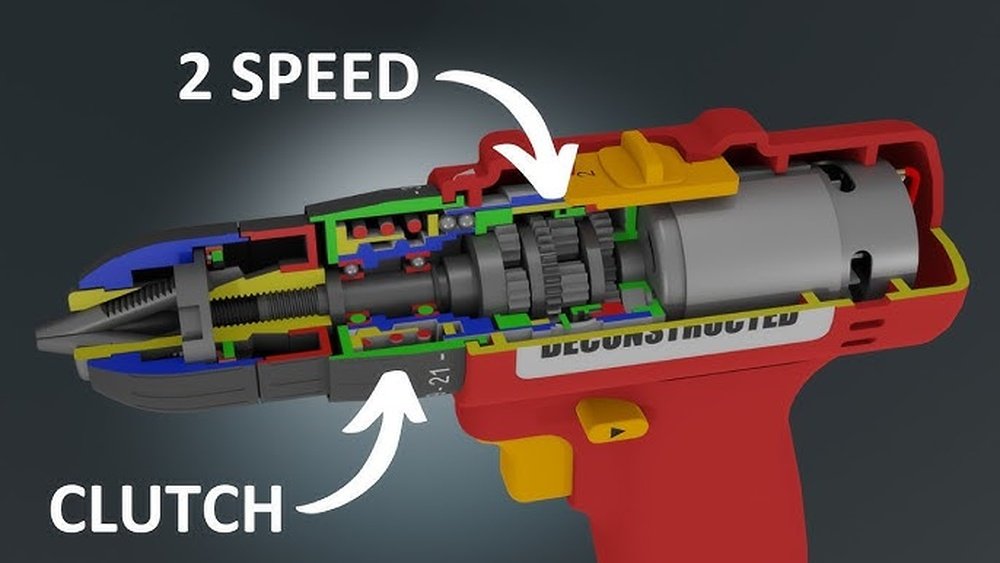
Have you ever wondered why your cordless drill sometimes stops turning even though the motor is still running? That’s all thanks to a small but powerful part called the clutch.
Understanding how a clutch works on your cordless drill can save you time, protect your tools, and help you get the job done right every time. You’ll discover exactly what the clutch does, how it works, and why it’s essential for your drilling tasks.
Keep reading to unlock the secret behind your drill’s smooth performance and avoid common mistakes that could damage your projects.
Credit: solutions.travers.com
Basic Parts Of A Cordless Drill
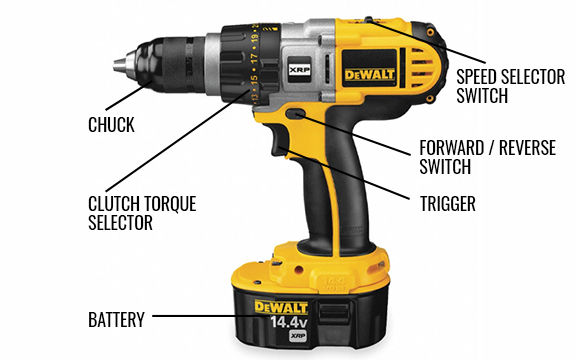
A cordless drill has several important parts. Each part works together to make drilling easy. Understanding these parts helps to know how the drill functions. This section explains the basic parts of a cordless drill.
Motor And Gearbox
The motor is the heart of the drill. It turns electrical energy into mechanical power. The gearbox changes the motor’s speed and torque. This adjustment helps the drill to work well on different tasks. The gearbox also controls the direction of the drill bit.
Clutch Mechanism
The clutch controls the drill’s torque. It stops the drill from turning when too much resistance is met. This prevents damage to the screw or the drill. The clutch allows the user to set different torque levels. It helps in driving screws without over-tightening.
Battery And Power Source
The battery powers the cordless drill. It stores electrical energy for the motor. Batteries are rechargeable and easy to replace. The power source determines how long the drill can be used. A strong battery gives longer working time without plugging in.

Credit: www.youtube.com
Role Of The Clutch In A Drill
The clutch in a cordless drill plays a key role in its operation. It controls how much power the drill uses for different tasks. The clutch helps the drill work efficiently and safely. It stops the drill from applying too much force. This protects both the drill and the work material. Understanding the clutch’s role makes using a drill easier and better.
Controlling Torque
The clutch controls the drill’s torque, or twisting force. It sets limits on how hard the drill can turn. This prevents the drill from over-tightening screws or damaging materials. The user can adjust the clutch to match the task. Lower torque works well for small screws. Higher torque suits tough jobs like drilling into wood or metal.
Protecting The Drill And Bit
The clutch protects the drill’s motor and drill bits. It stops the drill from working too hard. Without a clutch, the drill can overheat or break. The clutch slips when the set torque is reached. This slipping reduces stress on the drill parts. It also helps the drill bit last longer by avoiding damage.
Improving Precision
The clutch improves precision by controlling power output. It allows the user to stop at the right moment. This prevents screws from sinking too deep or stripping. The clutch helps make neat and clean work. It gives better control for delicate or detailed jobs. The result is a professional finish with less effort.
How The Clutch Engages And Disengages
The clutch in a cordless drill controls the power sent to the drill bit. It stops the drill from turning too hard and damaging screws or the drill itself. The clutch works by engaging and disengaging. This action helps protect your work and the tool. Understanding this process makes using a drill easier and safer.
Adjusting Torque Settings
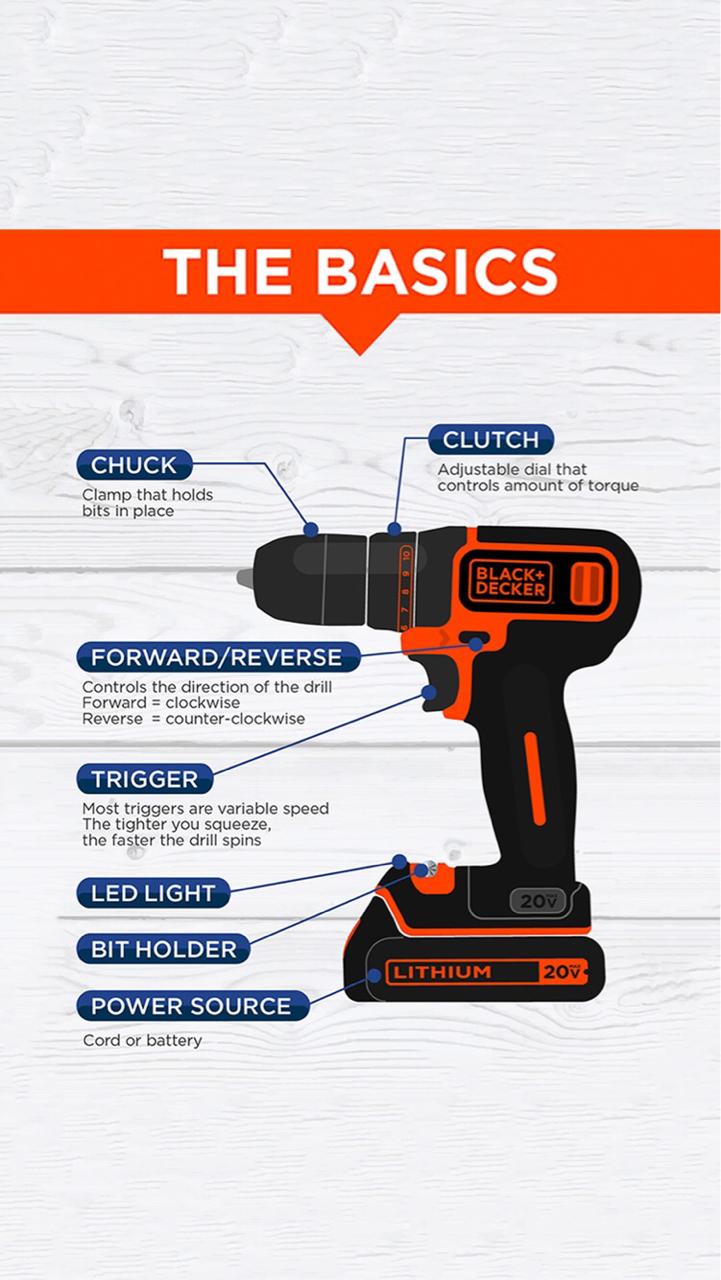
Torque means the turning force of the drill. The clutch lets you adjust this force. You can set low torque for small screws. Higher torque works for bigger screws or tough materials. Turning the clutch ring changes the setting. This controls how much force is sent to the drill bit.
Slipping Mechanism Explained
The clutch has small plates inside. These plates grip or slip to control power. When the set torque is reached, the plates slip. This stops the drill from turning harder. The slipping protects screws from stripping. It also stops the motor from overheating or burning out.
Feedback During Operation
You feel a change when the clutch slips. The drill may make a clicking sound. You will notice less spinning power. This feedback tells you to stop or change the setting. It helps avoid damage and keeps work precise. The feedback is an important safety feature.
Benefits Of A Clutch In Cordless Drills
The clutch in a cordless drill plays an important role. It helps control the power and speed during drilling or driving. This small part protects both the tool and the work. It makes using the drill easier and safer. Understanding the benefits of a clutch shows why it is a key feature.
Preventing Overdriving Screws
The clutch stops screws from going too deep. Overdriving can damage the material or the screw head. The clutch slips when it reaches the set torque. This prevents stripping or breaking screws. It keeps the work neat and precise. No more ruined wood or loose screws.
Extending Tool Life
The clutch reduces stress on the drill’s motor and gears. It stops the drill from working too hard. This lowers wear and tear inside the tool. The drill lasts longer without needing repairs. You save money by avoiding early replacements. The clutch helps the drill stay strong over time.
Enhancing User Control
The clutch allows better control over drilling tasks. You can adjust the torque for different materials. It helps avoid mistakes and accidents. The drill feels smoother and easier to handle. Users can work with more confidence and comfort. The clutch makes the drill more user-friendly and precise.
Common Clutch Problems And Fixes
Common clutch problems can affect how well your cordless drill works. Understanding these issues helps you fix them quickly. It also keeps your drill running smoothly for a long time.
Slipping Clutch Issues
A slipping clutch means the drill stops turning under load. This happens when the clutch plates wear out or get dirty. The drill loses power and stops driving screws properly. To fix this, clean the clutch parts and check for wear. Replace worn parts to restore proper function.
Difficulty In Adjusting Settings
Sometimes, the clutch dial becomes hard to turn or does not change settings. Dirt and debris can block the mechanism. The clutch may also be damaged inside. Clean the dial area carefully and try adjusting again. If it still sticks, the clutch may need professional repair or replacement.
Maintenance Tips
Regular cleaning prevents most clutch problems. Wipe dust and dirt from the drill after each use. Use a small brush to clean around the clutch dial. Avoid dropping the drill, as impacts can damage the clutch. Check the clutch function before starting any job. Proper care keeps your drill clutch working well longer.
Credit: support.blackanddecker.com
Choosing The Right Clutch Setting
Choosing the right clutch setting on a cordless drill helps control torque and protect your work. The clutch stops the drill from turning when it reaches the set torque. This avoids over-driving screws or damaging materials. Using the correct setting improves precision and saves your drill’s motor.
Matching Torque To Task
Each task needs a different torque level. High torque suits drilling into hard materials like metal or thick wood. Low torque works best for delicate tasks like screwing into soft wood or drywall. Adjust the clutch to match the job and avoid stripping screws or breaking bits.
Material Considerations
Different materials need different clutch settings. Soft materials need less torque to avoid damage. Hard materials require more torque to drive screws fully. Check the material before setting the clutch. This keeps your work clean and prevents mistakes.
Practice Tips For Beginners
Start with a low clutch setting. Test on scrap material first. Increase torque slowly until the drill stops slipping. Learn how the clutch feels when it clicks. Practice helps build confidence and control. This prevents damage to your project and tools.
Frequently Asked Questions
What Is The Purpose Of A Clutch In A Cordless Drill?
A clutch controls the torque applied by the drill. It prevents overdriving screws and protects the motor. This feature improves precision and prolongs tool life.
How Does A Clutch Adjust Torque On A Cordless Drill?
The clutch uses adjustable plates that slip at set torque levels. When resistance exceeds the set limit, the clutch disengages. This stops further rotation, avoiding screw damage.
Can A Clutch Improve Drilling Accuracy?
Yes, the clutch allows better control by limiting torque. It helps avoid stripping screws or damaging materials. This results in cleaner, more accurate drilling and fastening.
When Should I Use The Clutch Feature On A Cordless Drill?
Use the clutch when driving screws or working with delicate materials. It prevents over-tightening and protects your work surface. It’s especially useful for wood and drywall tasks.
Conclusion
A cordless drill’s clutch helps control the tool’s power. It stops the drill from turning too hard or slipping. This protects both the drill and the screw. You can adjust the clutch to match different tasks. This makes drilling safer and more precise.
Understanding the clutch helps you use your drill better. It saves time and prevents damage. Next time you use a cordless drill, notice how the clutch works. It’s a simple but smart feature.
