


Have you ever wondered why your cordless drill doesn’t just spin endlessly but stops when you need it to? That’s all thanks to a simple yet powerful part called the clutch.
Understanding how the clutch works on your cordless drill can save you time, prevent damage to your tools, and make your projects much smoother. You’ll discover exactly what the clutch does, why it matters, and how it helps you get the job done right every time.
Keep reading, and you’ll never look at your drill the same way again.

Credit: www.youtube.com
Clutch Basics
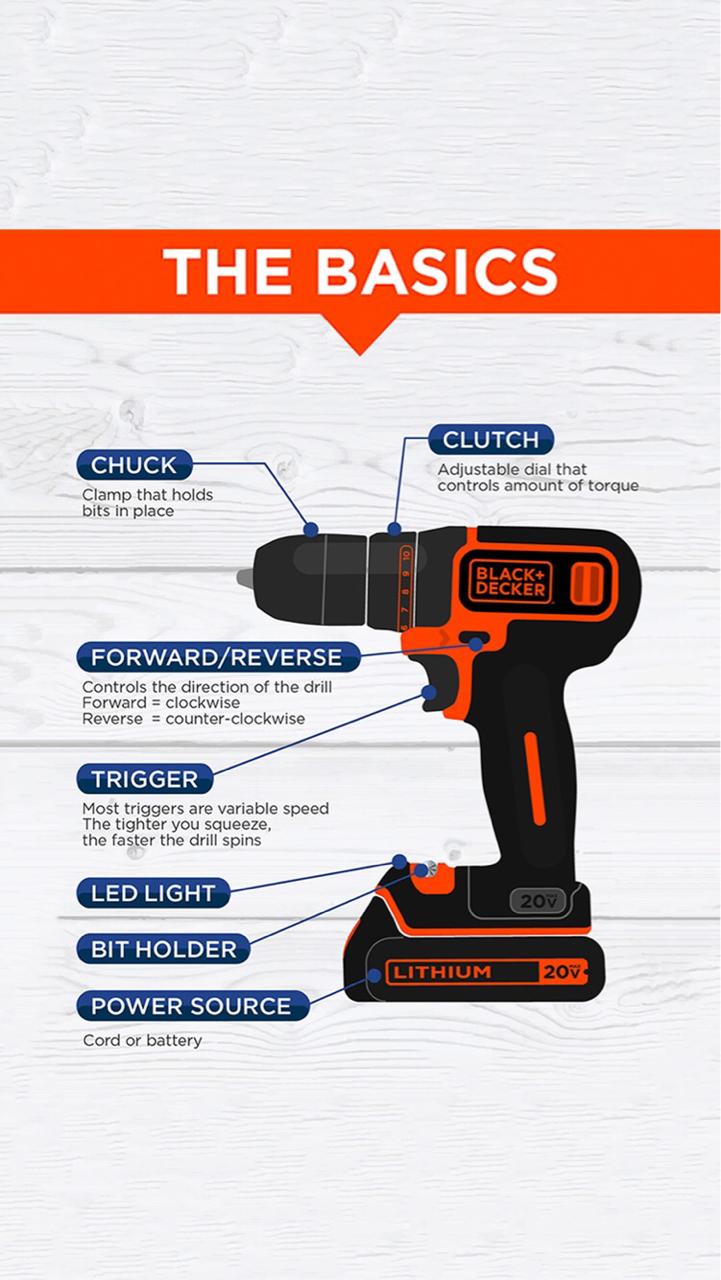
The clutch is a key part of a cordless drill. It controls the power sent to the drill bit. This helps prevent damage to the drill and the work surface. Knowing clutch basics helps you use your drill better and safer.
Purpose Of The Clutch
The clutch stops the drill from turning too hard. It limits the force on the drill bit. This stops screws from being driven too deep. It also protects the drill motor from strain. The clutch makes drilling more precise and safe.
Types Of Clutches In Drills
Most cordless drills have adjustable clutches. These allow you to set the torque level. Some drills use a ratchet clutch that clicks when the set torque is reached. Others have electronic clutches that control power with sensors. Each type helps control how much force the drill uses.
Credit: solutions.travers.com
Clutch Components
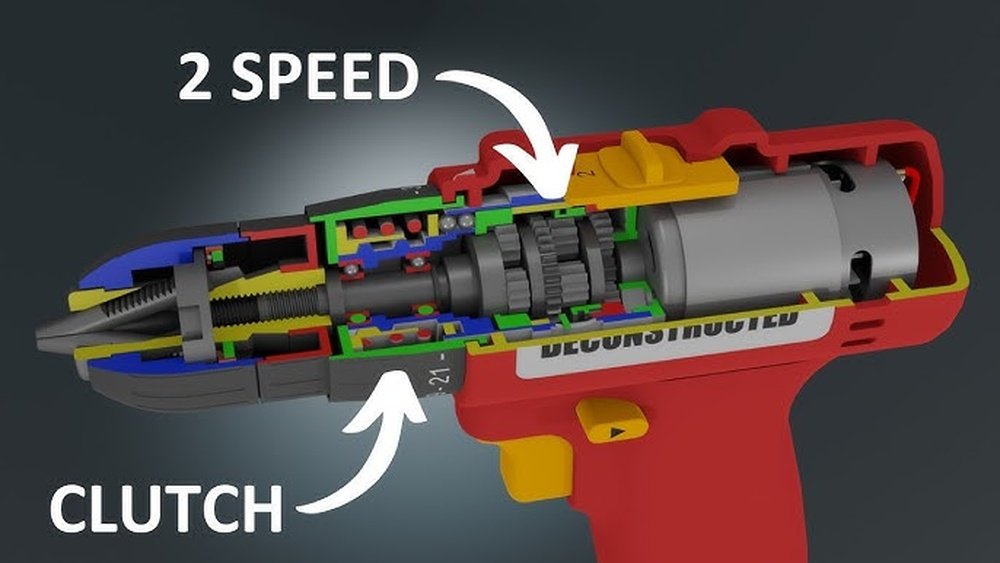
The clutch inside a cordless drill controls the power sent to the drill bit. It helps stop the drill from turning too hard. The clutch parts work together to protect the drill and the screw. Understanding these parts makes it easier to see how the clutch works.
Each part has a simple job. They work as a team to give the right amount of force. This keeps the drill from slipping or breaking the screw head.
Key Parts Inside The Clutch
The clutch has several key parts. The main ones are the spring, plates, and cams. The spring controls how tight the clutch is. The plates fit together and can slide. The cams push against the plates to stop turning. These parts are inside a ring you can turn to set the torque.
How Components Interact
When you use the drill, the motor spins the clutch. The plates move with the cams. The spring holds everything in place. If the drill meets resistance, the plates slip. This slipping stops the drill from pushing too hard. The clutch parts work by slipping just the right amount. This way, the drill stays safe and works well.
Clutch Operation
The clutch operation in a cordless drill is a key feature. It helps control the drill’s power. This prevents damage to screws and materials. The clutch works by connecting and disconnecting the motor from the drill bit. This action adjusts the torque applied to the work surface.
Engagement Process
The clutch engages through a set of plates inside the drill. These plates fit tightly together when the clutch is off. When the drill runs, the motor tries to turn the plates. If the resistance is too high, the plates slip. This slipping stops the drill bit from turning too hard. It protects screws from stripping and the motor from overloading.
Torque Control Mechanism
The clutch adjusts torque by changing how tightly the plates press. You set this by turning a ring on the drill. A low setting means the plates slip easily. This is good for soft materials or small screws. A high setting locks the plates firmly. It gives more power for tough jobs. This torque control allows better precision and saves the drill’s motor from damage.
Adjusting The Clutch
Adjusting the clutch on a cordless drill helps control the drill’s power. It stops the drill from turning too hard and damaging screws or materials. Knowing how to adjust the clutch improves your work and protects your tools.
Setting Torque Levels
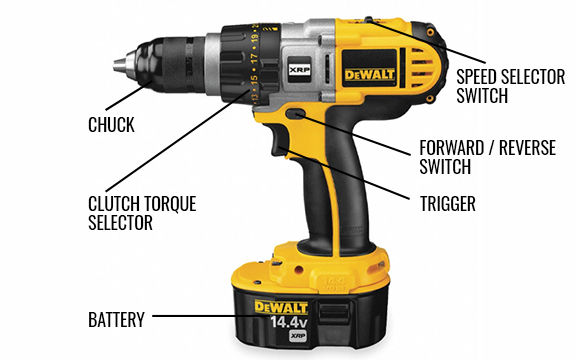
The clutch has numbers or settings around a ring near the drill’s chuck. Each number shows a different torque level. Lower numbers mean less force. Higher numbers mean more force. Turn the ring to set the torque for your task. Choose a low setting for small screws and a higher one for bigger screws or tougher materials.
When To Adjust The Clutch
Adjust the clutch before starting a new job. Change it if screws slip or strip. Also, lower the torque if drilling into soft wood or plastic. Raise the torque for hard wood or metal. Proper adjustment saves screws and drill bits from damage. It also gives better control over the work.
Benefits Of A Clutch
The clutch on a cordless drill offers several key benefits. It improves control and protects both the tool and materials. Using a clutch helps you work smarter and avoid common problems.
Preventing Overdriving Screws
The clutch stops screws from going too deep. It lets you set the right torque level. This prevents damage to wood or drywall. It also avoids stripping screw heads. You get cleaner, stronger screw joints every time.
Extending Drill Lifespan
The clutch reduces stress on the drill’s motor and gears. It prevents the drill from working too hard. This means less wear and tear. Your cordless drill lasts longer and needs fewer repairs. Saving money on replacements and maintenance.
Common Clutch Issues
The clutch in a cordless drill controls how much torque the drill applies. It helps prevent overdriving screws or damaging materials. Over time, the clutch can wear out or have problems that affect drill performance. Recognizing common clutch issues can save time and avoid further damage.
Signs Of Clutch Wear
The drill spins without driving the screw properly. This usually means the clutch discs are worn out. Another sign is the clutch slipping under load, causing inconsistent torque. You might hear unusual noises like grinding or clicking. The drill might also stop suddenly or fail to engage the bit firmly.
Troubleshooting Tips
Check the clutch setting to ensure it matches the task. Clean any dust or debris around the clutch area. Tighten any loose parts connected to the clutch. Test the drill on different materials to see if the issue persists. If problems continue, the clutch might need replacing or professional repair.
Maintaining Your Drill Clutch
Maintaining your drill clutch keeps your cordless drill working smoothly. The clutch controls the torque and protects the drill and screws. Dirt, dust, and wear can cause the clutch to slip or fail. Regular care helps the clutch last longer and perform better.
Cleaning And Lubrication
Remove dust and debris from the clutch area often. Use a soft brush or compressed air for cleaning. Avoid using water, which can cause rust. Apply a small amount of light machine oil to moving parts. Lubrication reduces friction and prevents parts from sticking. Do not over-lubricate, as excess oil attracts dirt.
Regular Inspection
Check the clutch for signs of wear or damage regularly. Look for cracks, worn teeth, or loose parts. Test the clutch by adjusting it and feeling for smooth operation. Replace worn or broken parts immediately. Routine inspections help catch problems early. This saves money and keeps your drill ready for work.
Credit: support.blackanddecker.com
Frequently Asked Questions
What Is The Purpose Of A Clutch In A Cordless Drill?
A clutch controls torque to prevent overdriving screws and damaging materials. It helps maintain consistent power and protects the drill’s motor.
How Does The Clutch Adjust Torque On A Cordless Drill?
The clutch uses adjustable plates that slip at set torque levels. This slipping limits force, allowing precise control over screw driving.
Can The Clutch Improve Battery Life On Cordless Drills?
Yes, by preventing excessive torque, the clutch reduces motor strain. This leads to more efficient battery usage and longer drill runtime.
Why Does The Clutch Slip When Using A Cordless Drill?
The clutch slips to avoid stripping screws or damaging surfaces. It activates when set torque limits are reached, protecting both tool and workpiece.
Conclusion
A clutch in a cordless drill controls the power flow to the bit. It stops the drill from turning when needed. This helps avoid damage to screws and materials. You can adjust the clutch to match your task. It makes drilling safer and more precise.
Understanding the clutch lets you use your drill better. Try changing settings and feel the difference yourself. Simple but important for every DIY project.
