



Have you ever wondered what actually stops your cordless drill from spinning the moment you let go of the trigger? Understanding how a cordless drill brake works can save you time, improve your safety, and help you get cleaner, more precise results on your projects.
Whether you’re a DIY enthusiast or a professional, knowing this simple yet powerful feature can change the way you use your drill. Keep reading, and you’ll discover the secrets behind your drill’s quick stop—and why it matters for your work.

Credit: www.ebay.com
Cordless Drill Brake Basics
A cordless drill brake is an important feature that helps stop the drill quickly. It improves safety and control during work. The brake reduces the drill’s spinning after releasing the trigger. This allows precise drilling and avoids damage to materials.
Understanding the basics of how the brake works can help users handle the drill better. The brake system involves certain parts working together to stop the drill bit fast and safely.
Types Of Drill Brakes
There are two main types of brakes in cordless drills: mechanical and electronic. Mechanical brakes use physical parts to stop the drill. They work by applying pressure to the drill’s moving parts, quickly halting motion.
Electronic brakes use the drill’s motor to stop rotation. When the trigger is released, the motor reverses or stops power. This action slows the drill bit immediately. Electronic brakes are common in modern cordless drills.
Components Involved
The brake system includes several key parts. The motor is the main power source that drives the drill bit. The trigger controls the motor’s power and brake action.
In mechanical brakes, a brake pad or clutch presses against the drill’s shaft to stop it. In electronic brakes, the motor controller sends signals to stop or reverse the motor. Both systems use sensors to detect when to activate the brake.
How The Brake Activates
The brake in a cordless drill stops the drill bit quickly. This helps improve safety and control. The brake activates right after you stop pressing the trigger. It works in two main ways. Each method helps the drill stop spinning fast.
Trigger Release Mechanism
The brake starts when you release the trigger. Inside the drill, a small switch detects this action. This switch cuts power to the motor immediately. Without power, the motor stops spinning. Some drills also use a mechanical part to stop the drill bit. This part presses against the drill’s gear. It slows down the bit fast. This way, the drill stops almost right away.
Electronic Brake Functionality
Many cordless drills have an electronic brake system. This system uses the motor’s electricity to stop spinning. The drill sends a reverse current to the motor. This reverse current acts like a force brake. It helps slow down the drill bit quickly. The electronic brake works very fast. It can stop the drill in less than a second. This feature keeps the drill safe and easy to control.
Safety Benefits Of Drill Brakes
Drill brakes add an important layer of safety to cordless drills. They stop the drill bit quickly after releasing the trigger. This helps control the tool and keeps the user safe. The quick stop reduces risks and makes work smoother.
Preventing Overrun
Overrun happens when the drill bit keeps spinning after you stop pressing the trigger. This can damage the work surface or the drill bit. Drill brakes prevent this by stopping the bit instantly. This control helps avoid mistakes and protects materials. It also saves time by reducing cleanup and fixes.
Reducing User Injuries
Sudden stops from drill brakes lower the chance of slips or accidents. The quick halt stops the drill from twisting out of control. This reduces strain on hands and wrists. It also protects users from cuts or bruises caused by spinning bits. Drill brakes make the tool safer for everyone.

Credit: www.reddit.com
Enhancing Efficiency With Brakes
Brakes in cordless drills add more than just safety. They help users work faster and with better precision. By stopping the drill quickly, brakes reduce downtime and improve the overall workflow. This small feature makes a big difference in daily tasks.
Improved Control
Brakes allow users to stop the drill immediately after releasing the trigger. This quick stop prevents overdrilling or damage to materials. It also helps in tight spaces where accuracy matters most. Better control means fewer mistakes and less waste.
Faster Work Cycles
With brakes, the drill does not keep spinning after use. This means users can switch bits or move to the next task faster. Less waiting time speeds up the whole project. The result is more work done in less time without extra effort.
Common Brake Issues
Common brake issues in cordless drills can cause performance problems. The brake may stop working well or fail completely. Understanding these issues helps you keep your drill safe and effective. Early detection can save time and money on repairs.
Signs Of Brake Wear
One sign is the drill not stopping quickly. It may continue to spin after you release the trigger. You might hear unusual noises like grinding or squealing. The drill can feel less stable or harder to control. These signs show the brake parts may be worn out.
Troubleshooting Tips
First, check the brake pads for damage or dirt. Clean or replace them if needed. Test the brake by pressing the trigger and letting go. Note if the drill stops immediately or keeps spinning. If problems persist, inspect the brake mechanism for loose parts. Tighten or adjust any loose components carefully. For complex issues, seek professional repair help to avoid damage.
Maintenance Tips For Longevity
Keeping a cordless drill brake in good condition helps it last longer and work better. Simple care steps prevent damage and keep parts running smoothly. Follow these maintenance tips to extend your drill’s life.
Regular Cleaning
Clean your drill after every use. Wipe dust and dirt off the surface. Use a soft brush to remove debris from vents and crevices. Avoid water or harsh cleaners that can damage electrical parts. Keep the brake area free of dust to ensure smooth operation.
Proper Usage Practices
Do not force the drill or overload it. Use the right drill bit for the job to avoid stress on the brake. Allow the drill to cool down during heavy tasks. Store the drill in a dry place to prevent rust and damage. Follow these habits to keep the brake working correctly.
Choosing Drills With Reliable Brakes
Choosing a cordless drill with a reliable brake is important for safety and control. A good brake stops the drill quickly after you release the trigger. This helps prevent accidents and saves battery life. Knowing what to check can help you pick the best drill for your needs.
Features To Look For
Look for drills with an electric or mechanical brake system. Electric brakes stop the drill motor fast using the power of the battery. Mechanical brakes use physical parts to halt the drill. Also, check how fast the brake works. A reliable brake stops the drill in less than a second. Some drills offer adjustable brake settings for different tasks. This gives you more control and precision.
Top Brands And Models
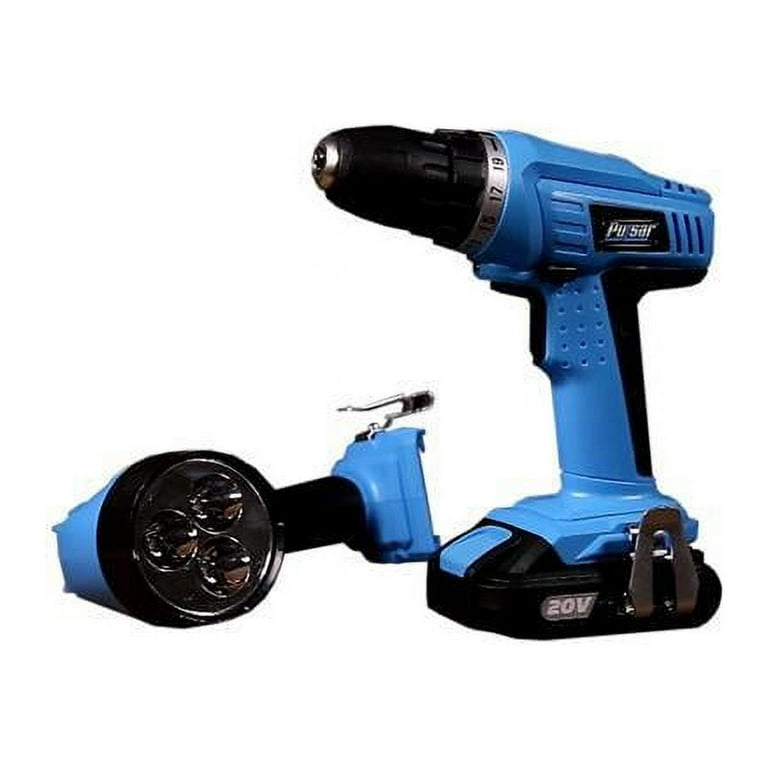
Brands like DeWalt, Makita, and Bosch often include strong brakes in their drills. The DeWalt DCD791 is known for its quick electric brake. Makita’s XFD10 uses a smooth mechanical brake system. Bosch offers the GSR series with reliable stopping power. These models balance power, brake speed, and battery life well. Choosing from trusted brands ensures better brake performance and durability.
Credit: www.walmart.com
Frequently Asked Questions
How Does A Cordless Drill Brake Function?
A cordless drill brake stops the drill bit quickly. It reverses the motor’s rotation to halt movement. This prevents overdriving screws and improves safety. The brake activates as soon as you release the trigger.
What Are The Benefits Of A Cordless Drill Brake?
The brake enhances control and precision during drilling. It reduces wear on the drill and bits. It also prevents damage to materials by stopping the drill instantly. This feature boosts overall efficiency and user safety.
Can A Cordless Drill Brake Extend Tool Lifespan?
Yes, the brake reduces motor strain by stopping rotation quickly. It prevents overheating and mechanical wear on the drill. This prolongs the drill’s operational life and maintains performance. Regular use of the brake safeguards the tool’s components.
Is The Cordless Drill Brake Safe For Beginners?
Absolutely, it helps beginners avoid accidents by stopping instantly. It gives more control during screw driving and drilling tasks. The brake reduces the risk of slipping or stripping screws. This makes the drill easier and safer to use.
Conclusion
A cordless drill brake helps stop the drill quickly and safely. It keeps you in control while working on projects. The brake uses simple parts to slow the drill’s spinning. Knowing how it works makes using drills easier and safer.
Always take care when handling power tools like cordless drills. Understanding these basics helps you work with confidence and skill. A drill brake is a small but important feature to trust.
