


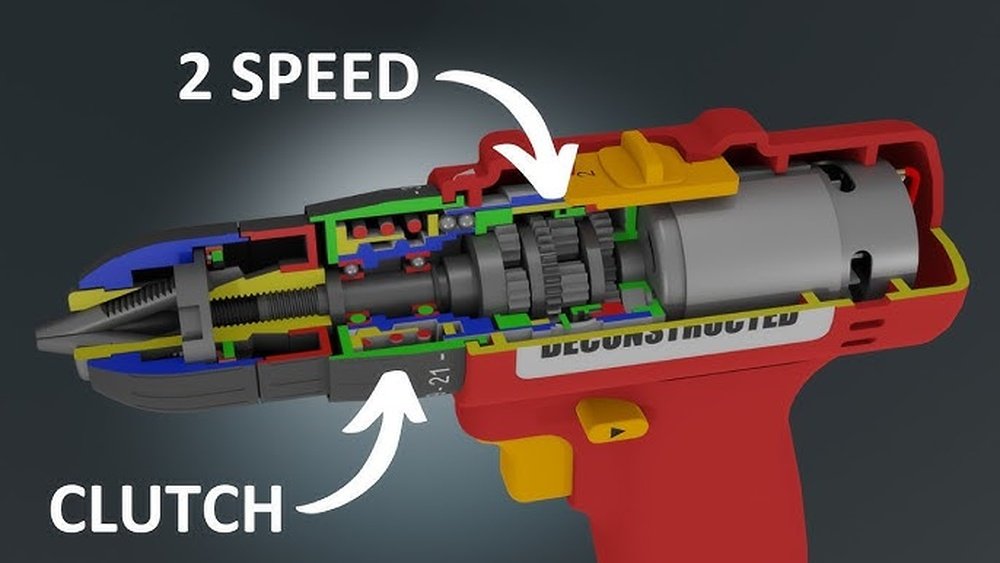
Have you ever wondered what happens the moment you squeeze the trigger on your cordless drill? That simple action sets off a chain reaction inside the tool, powering it up and making your work easier.
Understanding how a cordless drill trigger works can help you use your drill more effectively and even troubleshoot common problems. Keep reading, and you’ll discover the hidden mechanics behind your drill’s trigger—knowledge that can boost your confidence and skills every time you pick it up.
Basic Components
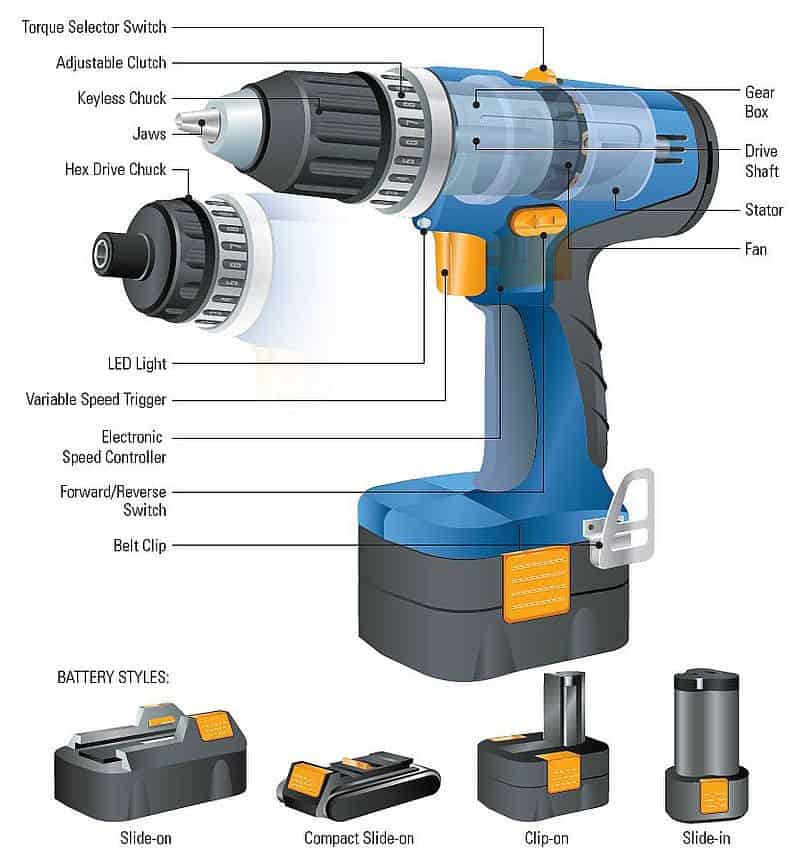
Understanding the basic components of a cordless drill trigger helps explain how it works. Each part plays a key role in controlling the drill’s power and speed. These parts connect and work together to make the drill start and stop smoothly. Here are the main components that keep the drill running.
Trigger Switch
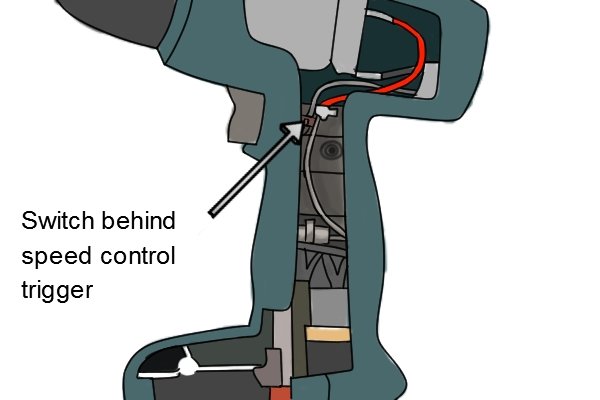
The trigger switch is the part you press with your finger. It controls the flow of electricity to the motor. Pressing the trigger increases power, which makes the motor run faster. Releasing the trigger cuts the power, stopping the motor. The switch also often has a speed control feature for precision work.
Motor
The motor turns electrical energy into mechanical energy. It spins the drill bit to drill holes or drive screws. The motor speed depends on how much power it gets from the trigger switch. More pressure on the trigger means more current to the motor, making it spin faster.
Battery Connection
The battery connection links the battery to the drill’s motor and trigger switch. It supplies the electric power needed to run the motor. A good battery connection ensures steady power flow without interruptions. This connection also allows easy battery removal for charging or replacement.
Trigger Mechanism
The trigger mechanism is the heart of a cordless drill. It controls the flow of power from the battery to the motor. Pressing the trigger starts the drill. Releasing it stops the drill. This simple action hides a smart system inside.
Electrical Contact Points
The trigger has small electrical contact points. These points connect the battery to the motor. When pressed, they close the circuit. Electricity flows and the motor spins. The harder the trigger is pressed, the stronger the connection. This controls the power sent to the drill.
Variable Speed Control
The trigger also controls speed. Light pressure makes the drill turn slowly. More pressure increases speed. This lets users work with more control. Drilling delicate materials needs slow speed. Tough jobs need fast spinning. The trigger senses pressure and adjusts speed smoothly.
Safety Features
Safety is key in the trigger design. Many triggers have a lock switch. This prevents accidental starts. It keeps the drill off when not in use. Some models add a brake to stop quickly. These features protect users and prevent damage.
Power Flow
The power flow in a cordless drill is simple yet crucial. It controls how energy moves from the battery to the drill’s motor. This flow determines how fast and strong the drill spins. Understanding this process helps to see how the trigger manages the drill’s speed and power.
From Battery To Motor
The battery stores electrical energy as direct current (DC). When you press the trigger, this energy travels through wires to the motor. The motor uses this energy to turn the drill bit. Without a smooth flow, the motor cannot work properly.
Role Of Electronic Speed Controller
Between the battery and motor sits the electronic speed controller (ESC). The ESC controls how much power reaches the motor. It changes the speed by adjusting the voltage and current. This helps the drill run at different speeds for different tasks.
Trigger’s Role In Power Regulation
The trigger acts like a gate for the power flow. Pressing it lets more electricity flow to the motor. Releasing it reduces or stops the flow. This controls the drill’s speed and power easily with one hand.
Credit: www.wonkeedonkeetools.co.uk
Types Of Triggers
The trigger is an important part of a cordless drill. It controls the power and speed of the drill bit. Different cordless drills use different types of triggers. These triggers can be divided into two main types: mechanical and electronic. Understanding these types helps you know how your drill works and which one suits your needs.
Mechanical Vs Electronic Triggers
Mechanical triggers work using physical parts. When you press the trigger, it moves a switch or lever. This switch controls the flow of electricity to the drill motor. The harder you press, the more power the motor gets. Mechanical triggers are simple and reliable. They often last a long time without problems.
Electronic triggers use sensors and circuits. When you press the trigger, the sensor detects the pressure. It sends a signal to the drill’s controller. The controller adjusts the power to the motor smoothly. Electronic triggers offer more precise control over speed and power. They can also include extra features like soft start or speed memory.
Advantages Of Electronic Triggers
Electronic triggers provide better control over the drill’s speed. This helps avoid damaging materials. They also improve battery life by using power efficiently. Electronic triggers can give a smoother start to drilling. This reduces wear on the motor and gears. Some models have safety features that stop the drill quickly if needed. These triggers are popular in modern cordless drills for their convenience and performance.
Troubleshooting Trigger Issues
Troubleshooting trigger issues on a cordless drill can save time and money. The trigger controls the drill’s speed and power. When it stops working right, the drill may not start or run smoothly. Knowing common problems and how to check them helps fix the drill quickly. Simple maintenance can also prevent trigger problems.
Common Problems
The trigger may feel sticky or not move at all. This can happen if dirt or dust blocks it. Sometimes the trigger switch wears out over time. Loose wires inside the drill can cause the trigger to fail. Another issue is a weak battery that affects the trigger’s response. Sparks or burning smells near the trigger signal serious trouble.
Diagnostic Tips
Check if the drill turns on without the trigger pressed. If yes, the trigger is likely faulty. Look for visible damage or dirt around the trigger. Wiggle the trigger gently to test its movement. Use a multimeter to check electrical continuity in the switch. Test the battery charge and connections too. These steps help find the cause of trigger problems.
Maintenance Practices
Keep the trigger area clean from dust and debris. Use compressed air to blow out dirt. Avoid using water or harsh chemicals on the switch. Tighten loose screws inside the drill case carefully. Store the drill in a dry place to prevent rust. Regularly test the trigger for smooth movement. These small actions extend the drill’s trigger life.

Credit: electronics.stackexchange.com
Innovations In Trigger Technology
Innovations in trigger technology have improved how cordless drills perform. These changes make drills easier and safer to use. The triggers now respond better to user input. They also help control speed and power precisely. Such upgrades enhance user comfort and work efficiency.
Smart Triggers
Smart triggers use sensors to detect finger pressure. This allows smooth control over drill speed. Users can start drilling slowly and increase speed easily. Some triggers connect to the drill’s battery system. This helps save power by adjusting speed automatically. Smart triggers also reduce accidental starts, improving safety.
Ergonomic Enhancements
Ergonomic triggers fit the shape of fingers better. They reduce hand fatigue during long jobs. The trigger size and texture offer a secure grip. Some designs include soft-touch materials for comfort. These enhancements help users work longer with less strain. Ergonomic triggers also improve control for precise drilling.
Credit: canadianwoodworking.com
Frequently Asked Questions
How Does A Cordless Drill Trigger Control Speed?
A cordless drill trigger controls speed by regulating electrical current. Pressing the trigger increases current flow, speeding up the motor. Releasing the trigger reduces current, slowing the drill. This variable speed control allows precise drilling and better handling of different materials.
What Components Make Up A Cordless Drill Trigger?
A cordless drill trigger consists of a switch, a variable resistor, and a microcontroller. The trigger acts as a pressure-sensitive switch. It adjusts resistance to control motor speed. The microcontroller processes input and manages power delivery efficiently for smooth operation.
Why Is Trigger Sensitivity Important In Cordless Drills?
Trigger sensitivity affects control and precision during drilling. High sensitivity allows fine speed adjustments with minimal effort. This improves accuracy and reduces user fatigue. Low sensitivity may cause inconsistent speeds, making tasks harder and less efficient.
Can Trigger Issues Affect Cordless Drill Performance?
Yes, trigger problems can impact drill performance. Faulty triggers may cause erratic speed or failure to start. Dirt or wear can disrupt electrical contacts. Regular maintenance and cleaning help ensure reliable trigger operation and optimal drill functionality.
Conclusion
A cordless drill trigger controls the drill’s speed and power. Pressing the trigger sends electricity to the motor. The harder you press, the faster the drill spins. This simple mechanism lets you work with more control. Understanding this helps you use your drill better and safer.
Next time you drill, you’ll know exactly how it works. It’s a small part but very important. Keep practicing to feel comfortable with your tool. Safe and steady work comes from knowing your drill’s trigger.
