



Have you ever wondered what makes your cordless drill spin so effortlessly every time you use it? Understanding how a cordless drill works can help you use it more effectively and even troubleshoot common problems on your own.
Whether you’re a DIY enthusiast or just curious about the tools in your toolbox, this guide will break down the simple yet powerful technology inside your drill. By the end, you’ll feel more confident and ready to tackle any project with your cordless drill in hand.
Keep reading to discover the secrets behind this handy tool!
Credit: canadianwoodworking.com
Cordless Drill Basics
A cordless drill is a handy tool for many jobs around the house. It helps you drill holes and drive screws without a power cord. Understanding the basics of a cordless drill makes it easier to use and choose the right one for your work.
Here are the main parts and types of cordless drills. Learning about these will give you a clear idea of how this tool works.
Key Components
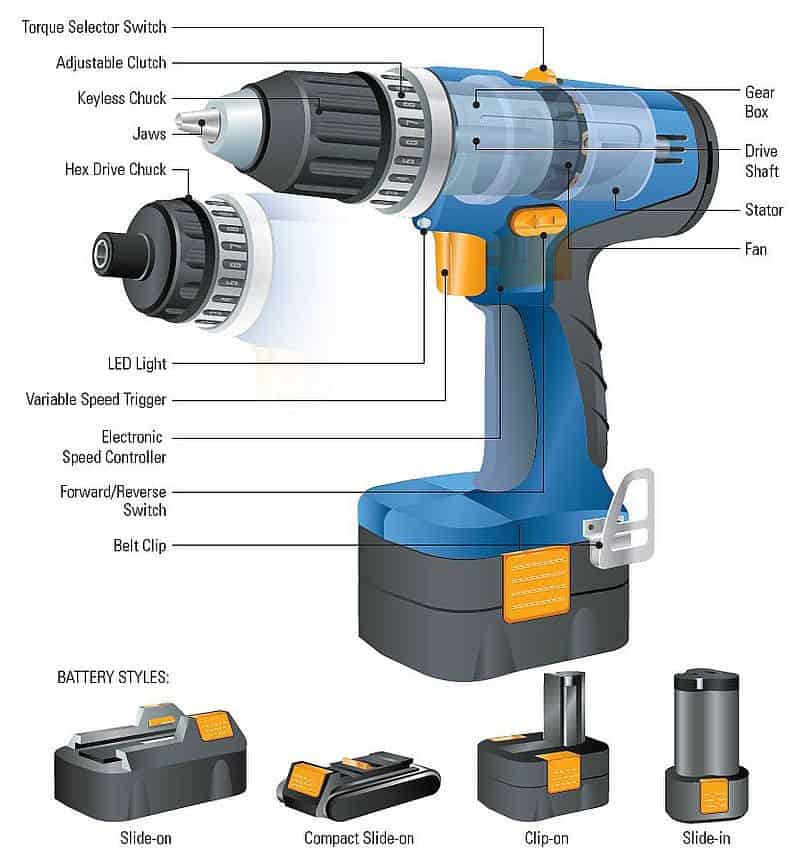
A cordless drill has several important parts. The chuck holds the drill bit or driver bit in place. The trigger controls the speed of the drill. The motor turns the chuck to drill or drive screws. The handle lets you hold and control the drill easily. A switch changes the drill’s direction for tightening or loosening screws.
Power Source
Cordless drills use batteries to work. Most use rechargeable lithium-ion batteries. These batteries give good power and last longer. They allow you to work without worrying about cords. You can charge the battery and use the drill anywhere. Battery life depends on the task and drill model.
Types Of Cordless Drills
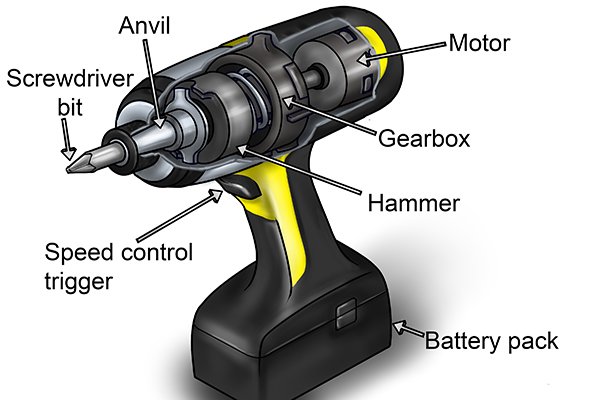
There are different kinds of cordless drills. Drill drivers are common and good for drilling and driving screws. Hammer drills add a hammering action for tough materials like concrete. Impact drivers deliver strong twisting force for tight screws. Each type fits different tasks and materials.
Battery Technology
Battery technology is the heart of a cordless drill. It powers the tool without the need for wires. This freedom allows you to work in many places. The battery stores energy and supplies it to the drill motor. Different batteries affect how long the drill runs and how strong it is.
Understanding the battery types, charging methods, and care can help you get the best from your drill.
Battery Types
Cordless drills use mainly three types of batteries. Nickel-Cadmium (NiCd) is older and cheaper. It has a memory effect, losing capacity if not fully discharged. Nickel-Metal Hydride (NiMH) is better and holds more charge. Lithium-Ion (Li-Ion) is the most popular today. It is light, powerful, and lasts longer. Li-Ion batteries do not suffer from memory effect. They also work well in cold weather.
Charging Mechanisms
Charging a cordless drill battery is simple but varies by type. Most batteries come with a charger that fits the battery pack. The charger controls the current to avoid damage. Fast chargers fill batteries quickly but may reduce battery life if overused. Some chargers show lights to indicate charging status. Remove the battery once fully charged to keep it healthy.
Battery Life And Maintenance
Battery life depends on use and care. Frequent full discharges can shorten battery life. Store batteries in a cool, dry place. Avoid leaving them in extreme heat or cold. Clean battery contacts to ensure good connection. Charge the battery before storing it for a long time. Regular care helps maintain power and extends battery life.
Motor Functionality
The motor is the heart of a cordless drill. It turns electrical energy into motion. This motion drives the drill bit to make holes or drive screws. Understanding motor functionality helps you see how the drill works efficiently.
Inside the drill, the motor spins at high speed. This spinning creates the force needed to turn the drill bit. The motor type affects power, speed, and battery life. Two main motor types are common in cordless drills.
Brushless Vs Brushed Motors
Brushed motors have small brushes that touch the spinning part. These brushes wear out over time and need replacement. They are simpler and often less expensive.
Brushless motors do not use brushes. They rely on electronic controls to spin the motor. These motors last longer and run cooler. They also give better battery efficiency.
Brushless motors are more common in modern cordless drills. Their design improves tool life and performance. Brushed motors still appear in budget-friendly drills.
How Motors Generate Torque
Torque is the twisting force that turns the drill bit. Motors create torque by spinning a rotor inside a magnetic field.
Electric current flows through coils on the rotor. This current creates a magnetic force. The force pushes against magnets fixed in the motor housing.
This push causes the rotor to spin. The spinning rotor transfers torque to the drill bit. Higher torque means the drill can handle tougher jobs.
Controlling the current changes the motor speed and torque. This control helps adjust drilling power for different tasks. Proper torque ensures better drilling results and tool safety.
Transmission And Gearing
The transmission and gearing inside a cordless drill play a key role in its performance. They control how power from the motor reaches the drill bit. This system adjusts speed and force. It helps you drill holes or drive screws easily and efficiently.
Gear Ratios
Gear ratios describe the relationship between the motor’s rotations and the drill bit’s rotations. A higher gear ratio means more torque but slower speed. A lower gear ratio gives faster speed but less torque. Different tasks need different gear ratios. This lets the drill handle both tough and delicate jobs well.
Speed Settings
Speed settings let you choose how fast the drill bit spins. Most cordless drills have two or more speed options. Low speed gives better control and more power. High speed works for quick drilling in soft materials. Changing speed helps you work smarter and safer.
Torque Control
Torque control stops the drill from using too much force. It protects screws and materials from damage. The drill adjusts torque based on resistance it senses. You can also set torque manually using a clutch. This feature is useful for driving screws to the right tightness.
Trigger And Control Systems
The trigger and control systems are the heart of a cordless drill. They let you start, stop, and adjust the drill’s speed. These controls help you work with precision and safety. Understanding how they work makes using the drill easier and more effective.
Variable Speed Trigger
The variable speed trigger changes the drill’s speed based on how hard you press it. Light pressure makes the drill spin slowly. Pressing harder increases the speed. This control helps you drill gently or quickly, depending on the task.
It gives you better control over the drilling process. You avoid damaging the material or the drill bit by adjusting speed smoothly.
Electronic Controls
Many cordless drills have electronic controls inside. These controls manage power flow and protect the motor. They keep the drill running efficiently and prevent overheating.
Electronic systems can also include features like speed settings and torque adjustments. They let you customize the drill’s performance for different jobs.
Safety Features
Safety features in the trigger and control system prevent accidents. Some drills have a lock-off button to stop accidental starts. This keeps you safe when the drill is not in use.
Other safety controls include automatic shutoff if the drill overheats. These features protect both the user and the tool. They make cordless drills safer and more reliable to use.

Credit: www.popularwoodworking.com
Drill Chuck And Bit Attachment
The drill chuck and bit attachment are key parts of a cordless drill. They hold the drill bit tightly and allow it to spin. This helps the drill do its job, like making holes or driving screws. Understanding these parts helps you use the drill better.
Types Of Chucks
There are two main types of drill chucks: keyless and keyed. Keyless chucks let you change bits by hand. You twist the chuck to open or close it. Keyed chucks need a special key to tighten or loosen the grip. Each type has its own use and benefits.
Changing Drill Bits
Changing drill bits is simple. For keyless chucks, turn the chuck counterclockwise to open it. Remove the old bit and insert the new one. Turn the chuck clockwise to secure the bit. For keyed chucks, insert the key into the hole. Turn the key to loosen or tighten the chuck.
Secure Bit Holding
Secure bit holding prevents the bit from slipping during work. The chuck grips the bit firmly. This keeps the drill bit steady and safe. A tight grip improves drilling accuracy and control. Always check that the bit is tight before use.
Common Uses And Applications
Cordless drills are versatile tools used in many situations. They make work easier and faster. The battery-powered design allows freedom of movement without cords. These drills fit many tasks, from light to heavy duty. Understanding their common uses helps choose the right drill for each job.
Home Diy Projects
Homeowners use cordless drills for simple repairs and improvements. They are perfect for hanging shelves and pictures. Assembling furniture becomes quick and easy. Drilling holes for curtains or decorations is simple. The drill’s portability helps reach tight spaces. It works well with various drill bits and attachments.
Professional Construction
Construction workers rely on cordless drills for building tasks. They use them to drill holes in wood, metal, and plastic. Fastening screws and bolts is efficient with these drills. The cordless feature allows movement across large sites. They help in framing walls, installing fixtures, and more. Durability and power are important in these drills.
Specialized Tasks
Cordless drills assist in specific tasks beyond general drilling. Electricians use them for installing wiring and outlets. Plumbers drill holes in pipes and fittings. Carpenters shape and join wood pieces with precision. Some drills come with hammer modes for masonry work. Adaptable speed settings suit delicate or tough jobs.
Credit: www.wonkeedonkeetools.co.uk
Maintenance Tips
Proper maintenance keeps your cordless drill working well for a long time. It helps avoid problems and saves money on repairs. Simple care steps can make a big difference.
Cleaning And Storage
Clean the drill after every use. Wipe dust and dirt off with a dry cloth. Avoid using water or harsh chemicals. Store it in a dry, cool place. Keep it away from direct sunlight and moisture. Use a case or toolbox to protect the drill from damage.
Battery Care
Charge the battery fully before first use. Do not overcharge or leave it plugged in too long. Remove the battery if you won’t use the drill for days. Store batteries in a cool, dry spot. Avoid extreme heat or cold, as they reduce battery life. Use the charger made for your drill’s battery type.
Troubleshooting Common Issues
Check the battery if the drill won’t start. Make sure it is charged and properly connected. Clean the drill’s vents if it overheats. Tighten loose parts to avoid strange noises. Replace worn-out drill bits for better performance. If problems continue, consult the user manual or a professional.
Frequently Asked Questions
How Does A Cordless Drill Generate Power?
A cordless drill uses a rechargeable battery to supply electrical energy. The battery powers a motor, which turns the drill bit. This setup eliminates the need for a power cord, making the drill portable and convenient for various tasks.
What Components Make Up A Cordless Drill?
Key components include a rechargeable battery, electric motor, chuck, trigger switch, and gearbox. The battery powers the motor, which drives the chuck to rotate the drill bit. The trigger controls speed, while the gearbox adjusts torque and rotation speed.
How Long Does A Cordless Drill Battery Last?
Battery life depends on usage, battery capacity, and type. On average, a full charge lasts between 30 minutes to 2 hours of continuous use. Higher capacity batteries offer longer run times but may increase the drill’s weight.
Can Cordless Drills Replace Corded Drills?
Cordless drills offer excellent portability and convenience but may have less power than corded models. For heavy-duty tasks, corded drills perform better. However, cordless drills are ideal for most home and light professional projects.
Conclusion
A cordless drill works by using a battery to power a motor. The motor spins the drill bit to make holes or drive screws. You can use it anywhere because it does not need a cord. It is light and easy to handle.
Knowing how it works helps you use it safely and well. Keep the battery charged for the best performance. This tool is great for many tasks at home or work. Simple, handy, and efficient—this is why many people choose cordless drills.
