


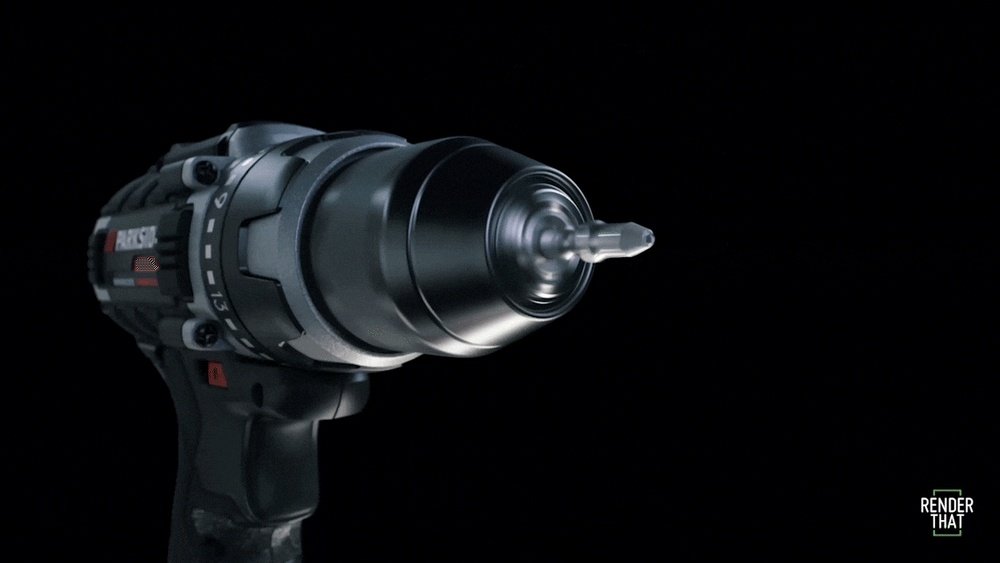
Have you ever wondered what makes your cordless drill spin so powerfully in your hand? Understanding how a cordless drill works can give you a whole new level of confidence the next time you pick it up.
Imagine seeing every part move and click perfectly together—that’s exactly what an animation can show you. You’ll discover the simple yet clever mechanics behind your drill, helping you use it smarter and keep it running longer. Ready to see your cordless drill like never before?
Let’s dive in.
Credit: www.istockphoto.com
Basic Parts Of A Cordless Drill
A cordless drill is a handy tool. It uses several key parts to work smoothly. Understanding these parts helps you see how the drill operates. It also helps you use and maintain the drill better.
Each part has a special job. The battery powers the drill. The motor turns that power into motion. The chuck holds the drill bit tight. The trigger controls the speed and power. Let’s explore these parts in detail.
Battery And Power Source
The battery is the drill’s energy source. It stores electric power to make the motor run. Most cordless drills use lithium-ion batteries. These batteries are light and last long. The battery is removable for easy charging.
Electric Motor
The electric motor turns electric energy into mechanical power. It spins the drill bit fast. The motor’s speed depends on how much power it gets. It is the heart of the drill’s movement.
Chuck And Drill Bits
The chuck holds the drill bit tightly. It can open or close to fit different bit sizes. Drill bits are the parts that cut or drill holes. You can change bits for various jobs.
Trigger And Speed Control
The trigger starts and stops the drill. Press it to run the drill, release to stop. Some drills have speed control on the trigger. Press lightly for slow speed, harder for fast speed.
How Power Flows In The Drill
Power flows through a cordless drill in a clear path. It starts at the battery and moves to the motor. This flow controls how the drill works. Understanding this helps you see how the drill runs smoothly.
Battery To Motor Connection
The battery stores electrical energy for the drill. It sends power through wires to the motor. The connection must be strong to keep the drill working. Good contact helps the motor get enough power to turn.
Role Of The Trigger Switch
The trigger switch acts like a gate for power. Pressing the trigger lets electricity reach the motor. Releasing it stops the power flow. This switch controls when the drill starts and stops easily.
Speed Regulation Mechanism
Speed depends on how hard you press the trigger. The switch adjusts the power flow to the motor. More power means faster spinning. Less power means slower, more controlled drilling.
Motor Mechanics In Action
The heart of a cordless drill lies in its motor. Understanding motor mechanics reveals how the tool turns electrical energy into strong, precise motion. This section breaks down key parts of the motor and how they work together. Simple steps create powerful results.
Converting Electrical Energy To Mechanical Motion
The motor changes electricity from the battery into spinning action. Inside the motor, electric current flows through coils of wire. This current creates a magnetic field. The magnetic field pushes and pulls parts inside the motor. This motion spins the drill’s shaft. The spinning moves the drill bit, allowing it to drill holes or drive screws.
Brushless Vs Brushed Motors
Two main types of motors power cordless drills: brushed and brushless. Brushed motors use small brushes to carry electricity inside the motor. These brushes wear out over time and need replacement. Brushless motors do not have brushes. They use electronics to control the motor’s movement. Brushless motors last longer and run cooler. They also deliver more power for the same battery size.
Torque Generation
Torque is the twisting force that turns the drill bit. The motor creates torque by pushing magnetic parts against each other. More electric power means more torque. Torque helps the drill bit cut through wood, metal, or plastic. Some drills let users adjust torque to match the job. This control prevents damage to screws and materials.
Gear System And Torque Adjustment
The gear system and torque adjustment are key parts of a cordless drill. They control the drill’s speed and power. The gears change the motor’s force into the right speed and torque for drilling or screwing. Torque adjustment helps protect the drill and materials from damage.
Purpose Of Gears
Gears transfer power from the motor to the drill bit. They change the speed and force to match the task. Larger gears increase torque but lower speed. Smaller gears do the opposite, increasing speed but lowering torque.
This allows the drill to work well on different materials. Soft wood needs high speed and low torque. Hard metal needs low speed but high torque.
Changing Speed And Torque
The drill can shift between gear settings. One gear gives higher speed with less force. Another gear offers lower speed with more force. This change helps to drill holes or drive screws more easily.
Switching gears matches the drill’s power to the job. It saves battery and prevents stripping screws or breaking bits.
Ratchet And Clutch Mechanism
The clutch controls the torque the drill uses. It stops the drill from turning when the set torque is reached. This protects screws from over-tightening.
The ratchet allows some parts to move freely in one direction. It helps control the drill’s rotation and torque. This system keeps the drill safe and helps users work with control.
Role Of The Chuck And Bit Rotation
The chuck and bit rotation are key parts of a cordless drill. They work together to make drilling possible. The chuck holds the drill bit tightly. The bit rotates to cut into materials. This section explains how each part works in detail.
How The Chuck Holds Bits
The chuck is a clamp at the drill’s front. It grips the drill bit firmly. Most chucks use jaws that move inwards. These jaws tighten around the bit’s shank. Turning the chuck’s collar adjusts the grip. This keeps the bit secure during use. Without a tight grip, the bit can slip. Slipping reduces drilling accuracy and safety.
Rotation Transmission To Drill Bit
The drill’s motor spins a shaft inside the body. This shaft connects to the chuck. When the motor runs, it turns the chuck. The chuck then spins the drill bit. The bit’s rotation drills into surfaces. Speed and torque control how fast and hard it spins. Proper transmission ensures smooth and strong drilling. It helps the drill work efficiently and safely.
Animation Techniques For Visualizing Mechanics
Animation techniques help us see how a cordless drill works inside. They make complex parts clear and easy to understand. These techniques show every step of the drill’s action. From the power flow to the moving parts, animations bring it all to life. Simple images turn into detailed, moving visuals. This helps learners and users grasp the drill’s mechanics quickly.
3d Modeling Of Internal Parts
3D modeling creates detailed shapes of the drill’s inside parts. Each gear, motor, and battery is built in virtual space. These models show size, shape, and position clearly. Animators use them to make the drill look real. Users can see parts from all angles. This helps explain how parts fit and work together.
Simulating Electrical Flow
Electrical flow shows how power moves inside the drill. Animators use glowing lines or pulses to represent electricity. This helps viewers see energy traveling from the battery to the motor. It explains how the drill gets power to spin the bit. The animation makes electric concepts easy to follow and less confusing.
Demonstrating Mechanical Movements
Mechanical movement animation shows how parts move and interact. Gears turn, the motor spins, and the drill bit drills. Each motion is timed and linked to others. This makes the whole drill action clear and smooth. Viewers understand how pushing the trigger causes the drill to work. It turns invisible actions into visible steps.
Common Issues And Mechanical Failures
Common issues and mechanical failures can stop a cordless drill from working well. These problems often come from daily use and wear. Knowing what parts cause trouble helps in fixing the drill faster. This section explains three common problems: battery, motor, and gear or chuck failures.
Battery Problems
Battery issues are the most common in cordless drills. The battery may not hold a charge for long. This happens when cells inside weaken or die. Sometimes, the battery won’t charge at all. Dirt or damage to the battery contacts can also cause problems. Replacing or cleaning the battery often solves these issues.
Motor Wear And Tear
The motor drives the drill bit to spin. Over time, the motor brushes wear down. This causes the motor to run weakly or stop working. Dust and dirt inside the motor can lead to overheating. Regular cleaning and brush replacement keep the motor healthy. Ignoring motor issues can cause permanent damage.
Gear And Chuck Malfunctions
Gears transfer power from the motor to the drill bit. Gears can wear out or break from heavy use. This causes strange noises or loss of power. The chuck holds the drill bit in place. If it jams or loosens, the bit won’t stay secure. Cleaning and lubricating gears and the chuck helps prevent these failures.

Credit: www.youtube.com
Future Innovations In Cordless Drill Design
The future of cordless drills is bright. New designs focus on making drills lighter, stronger, and smarter. Innovations will help users work longer and with more control.
These advances will improve battery life, motor power, and tool intelligence. The goal is to create drills that are easier to use and more efficient.
Advanced Battery Technologies
Batteries will last much longer. New materials will store more energy in smaller sizes. This means drills can run for hours without recharging.
Charging time will also decrease. Fast charging will reduce downtime on the job. Users will spend less time waiting and more time working.
Smart Controls And Sensors
Smart sensors will track drill speed and pressure. They will adjust power automatically for better results. This makes drilling safer and more precise.
Controls will become easier to use. Touchscreens or voice commands might replace buttons. This helps users focus on their work, not the tool.
Improved Motor Efficiency
Motors will become stronger and use less power. New designs will reduce heat and wear. This leads to longer tool life and better performance.
Efficiency gains mean drills will run cooler. Users will feel less vibration and fatigue. This improves comfort during long tasks.
Credit: www.alamy.com
Frequently Asked Questions
How Does A Cordless Drill Work Internally?
A cordless drill uses a rechargeable battery to power an electric motor. This motor spins the drill bit through a gearbox. The gearbox adjusts speed and torque for efficient drilling. The trigger controls the motor speed, allowing precise operation without a power cord.
What Role Does The Battery Play In A Cordless Drill?
The battery supplies portable power to the drill’s motor. It enables cordless operation, offering convenience and flexibility. Most batteries are lithium-ion, providing long runtime and quick recharging. Battery capacity affects how long you can work before recharging.
How Does The Drill’s Gearbox Affect Its Performance?
The gearbox converts motor speed into torque and controls drill speed. It allows switching between high speed for drilling and high torque for driving screws. This mechanism improves drill efficiency and adapts it to different tasks.
Why Is A Brushless Motor Used In Cordless Drills?
Brushless motors increase efficiency and reduce wear compared to brushed motors. They offer longer battery life and less maintenance. This motor type provides smoother operation and more power, enhancing overall drill performance.
Conclusion
Understanding how a cordless drill works helps you use it better. The battery powers the motor, which spins the drill bit. This makes drilling easier and faster without cords. Knowing the parts and their roles clears up confusion. Next time you work with a drill, you will feel more confident.
This simple tool saves time and effort on many projects. Keep practicing, and drilling will become second nature. A cordless drill is a handy tool for everyone.
