


Have you ever wondered what makes a cordless hammer drill such a powerful tool in your hands? Whether you’re a DIY enthusiast or tackling a tough project, understanding how this tool works can change the way you use it—and help you get better results every time.
You’ll discover the simple yet clever technology behind a cordless hammer drill. By the end, you’ll know exactly why it’s a must-have for your toolbox and how to make the most of it. Ready to unlock the secrets behind this handy tool?
Let’s dive in.
Credit: ronixtools.com
Cordless Hammer Drill Basics
A cordless hammer drill is a powerful tool for drilling and driving screws. It uses a battery, so no cords limit your movement. This makes it perfect for work in hard-to-reach places or outdoors.
It combines the functions of a regular drill and a hammer. The hammer action helps break hard materials like concrete. This feature sets it apart from other drills.
Key Components
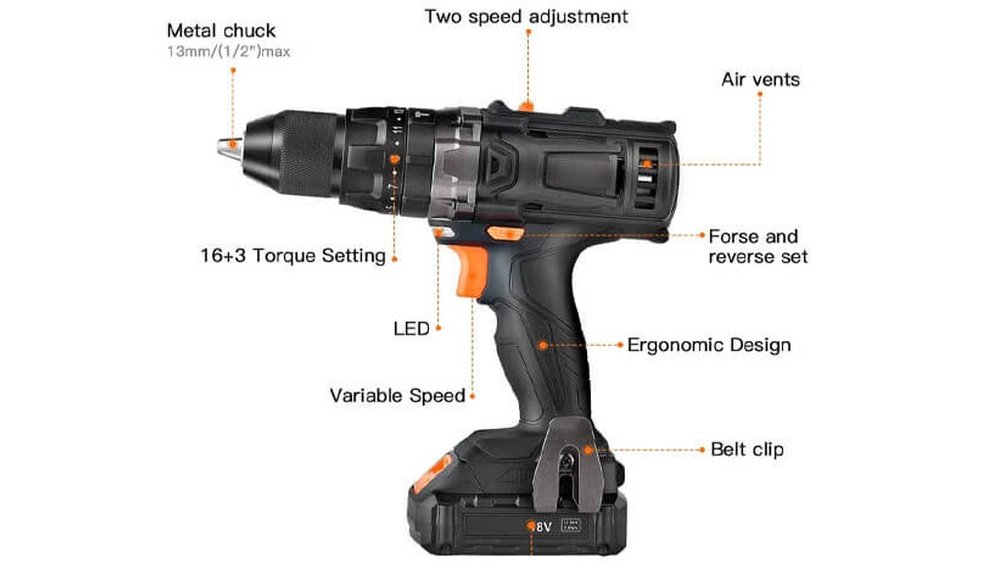
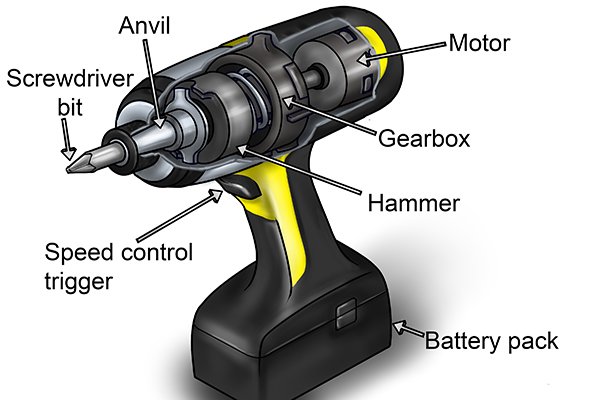
The main parts include the motor, battery, chuck, and hammer mechanism. The motor spins the drill bit to bore holes. The battery supplies the energy needed to run the motor.
The chuck holds the drill bit firmly in place. The hammer mechanism creates rapid, small impacts while drilling. This helps drill into tough surfaces easily.
How It Differs From Regular Drills
Regular drills only spin the bit to make holes. Cordless hammer drills add a hammering motion. This motion pushes the bit forward with quick hits.
This action breaks up hard materials like brick or stone. Regular drills struggle with these surfaces. Hammer drills work faster and require less force from you.
Power Source And Battery
The power source and battery are key parts of a cordless hammer drill. They let you work without a cord. The battery stores the energy needed to run the drill. This gives you freedom to move around. The drill uses this stored energy to make powerful hits and spins. Understanding the battery helps you choose the right drill for your needs.
Battery Types
Most cordless hammer drills use lithium-ion batteries. These batteries are light and hold a lot of charge. They last longer than older types like nickel-cadmium. Lithium-ion batteries also charge faster. Some drills use nickel-metal hydride batteries, but they are less common. The type of battery affects drill performance and weight.
Battery Life And Charging
Battery life depends on how much you use the drill. Stronger batteries last longer but weigh more. Charging time varies by battery size and charger type. Fast chargers can refill batteries in less than an hour. Regular chargers take a few hours. Always use the charger made for your battery. Proper charging keeps the battery healthy and safe.
Mechanism Behind Hammer Action
The mechanism behind the hammer action in a cordless hammer drill is what makes it unique. This feature allows the drill to handle tough materials like concrete and brick. It combines two types of motion to make drilling easier and faster.
The hammer action adds a rapid tapping force to the drill bit. This force helps break up hard surfaces. At the same time, the drill bit spins to remove debris and make the hole. Understanding this mechanism helps you use the tool better.
Hammering Motion Explained
The hammering motion is a fast, repeated tapping movement. Inside the drill, two metal discs or pistons push against each other. This causes a strong forward and backward movement.
This movement strikes the drill bit like a hammer hitting a nail. It happens many times each second. This force helps chip away hard materials. Without this, drilling into concrete would take much longer.
Impact Vs Rotary Motion
Impact motion is the hammering force that breaks materials. Rotary motion is the spinning of the drill bit. Both motions work together in a cordless hammer drill.
The rotary motion helps the drill bit cut into the material. The impact motion breaks the surface. This combination makes drilling faster and less tiring. It also prevents the bit from getting stuck.
Motor And Gear System
The motor and gear system is the heart of a cordless hammer drill. It powers the tool and controls its speed and strength. Understanding how these parts work helps you use the drill better. The motor creates the force, and the gears adjust that force for different tasks.
Brushless Vs Brushed Motors
Brushless motors last longer and run cooler than brushed motors. They use magnets and sensors to work without brushes. This design reduces friction and wear. Brushed motors have brushes that touch the spinning part. These brushes wear out over time and need replacement. Brushless motors are more efficient and save battery power. Brushed motors cost less but require more maintenance.
Gear Ratios And Speed Control
Gears change the speed and power of the drill bit. A high gear ratio means more torque but slower speed. A low gear ratio means faster speed but less power. Most cordless hammer drills have two or three speed settings. You can switch gears to match the job’s needs. Lower speed is best for tough materials. Higher speed works well for drilling holes quickly.
Drill Chuck And Bit Compatibility
The drill chuck and bit compatibility is crucial for a cordless hammer drill. It affects how well the drill holds the bit and how efficiently it works. Using the right chuck and bit ensures safety and better performance. Choosing the wrong combination can damage the drill or the material you work on.
Types Of Chucks
There are mainly two types of chucks in cordless hammer drills: keyless and keyed. Keyless chucks let you change bits quickly without tools. You twist the chuck by hand to tighten or loosen the bit. Keyed chucks need a small key to tighten or loosen the bit. This type holds the bit more firmly but takes more time to change bits. Most modern cordless hammer drills use keyless chucks for convenience.
Selecting The Right Bit
Choosing the correct drill bit depends on the material you work with. Masonry bits are best for concrete and stone. Wood bits have sharp points to start holes easily. Metal bits are made from strong steel to cut through metal smoothly. Make sure the bit shank fits your drill chuck size. Using the right bit improves drilling speed and accuracy. Always check the bit condition before use to avoid breaks or damage.
Safety Features And Controls
Safety is a key part of using a cordless hammer drill. The tool has special features to protect the user. These features help prevent accidents and keep control during work. Understanding these safety features and controls is important for safe and effective use.
Built-in Safety Mechanisms
Cordless hammer drills often include a clutch that stops the drill if the bit gets stuck. This prevents sudden jerks that can cause injury. Many drills have a brake that stops the bit quickly after releasing the trigger. This helps avoid accidents by reducing spin time.
Some models have overheat protection. This stops the drill if it gets too hot, protecting the motor and the user. Insulated grips reduce electric shock risks. LED lights improve visibility in dark areas, making work safer.
User Control Options
Speed control allows users to adjust power for different tasks. Lower speeds help with precision, while higher speeds work for tough materials. Variable triggers give gradual control over speed. This avoids sudden starts and increases accuracy.
Reverse switch lets users remove stuck bits easily. Lock-on buttons keep the drill running without holding the trigger. This reduces hand fatigue during long jobs. Clear, easy-to-reach controls help users stay focused and safe.
Common Applications
A cordless hammer drill is a versatile tool used in many projects. It combines drilling and hammering actions. This makes it effective for tough materials and various tasks. Understanding its common uses helps you get the most from this tool.
This tool is popular among homeowners, builders, and DIY enthusiasts. It saves time and effort on jobs that need power and precision. The cordless feature adds convenience and mobility.
Suitable Materials
Cordless hammer drills work well on hard materials. Concrete, brick, and stone are common examples. The hammering action breaks the material as the drill bit spins. This makes drilling easier and faster.
Besides masonry, the tool also handles wood and metal. For these materials, the hammer function is usually turned off. This versatility means fewer tools are needed for different jobs.
Typical Tasks
Drilling holes in walls for anchors or screws is a frequent task. Installing shelves, cabinets, and light fixtures often requires this. The hammer drill speeds up these jobs compared to a regular drill.
Other common tasks include making holes for wiring and plumbing. It also helps in assembling metal frames and furniture. The cordless design allows work in places without power outlets.
Credit: www.wonkeedonkeetools.co.uk
Maintenance Tips
Maintaining your cordless hammer drill helps keep it working well for a long time. Small care steps make a big difference. They help avoid costly repairs and keep the drill safe to use.
Cleaning And Storage
Clean the drill after each use. Wipe dust and dirt off with a dry cloth. Avoid using water or harsh chemicals on the tool. Keep the vents clear of dust to prevent overheating.
Store the drill in a dry place. Avoid leaving it in hot or cold areas. Use the original case or a toolbox for protection. Proper storage stops damage and keeps parts from rusting.
Battery Care
Charge the battery fully before the first use. Avoid letting the battery completely die before charging. Store batteries in a cool, dry place away from direct sunlight.
Remove the battery from the drill if not used for a long time. Use the charger that came with the drill. This helps keep the battery healthy and lasts longer.

Credit: maiamidwifery.com
Frequently Asked Questions
What Powers A Cordless Hammer Drill?
A cordless hammer drill is powered by a rechargeable lithium-ion battery. This battery supplies electricity to the motor, enabling cordless operation and portability without a power outlet.
How Does The Hammering Action Work In Cordless Drills?
The hammering action is created by a mechanism that rapidly pushes and pulls the drill bit. This delivers percussive force, allowing it to drill into hard materials like concrete and masonry.
Can Cordless Hammer Drills Replace Corded Versions?
Cordless hammer drills offer portability and convenience but may have less power than corded drills. They are ideal for light to medium tasks and on-the-go jobs.
What Materials Can A Cordless Hammer Drill Handle?
Cordless hammer drills can effectively drill through wood, metal, masonry, and concrete. The hammer function is especially useful for tough surfaces like brick and stone.
Conclusion
A cordless hammer drill uses a battery to power its motor. This motor spins a special mechanism that creates a hammering action. The hammering helps drill through hard materials like concrete and brick. You can switch between normal drilling and hammer mode easily.
Its cordless design offers freedom to work anywhere. Understanding how it works helps you use it better and safely. It is a handy tool for many DIY projects and repairs. Simple to operate and versatile in function. A useful addition to any toolbox.
