


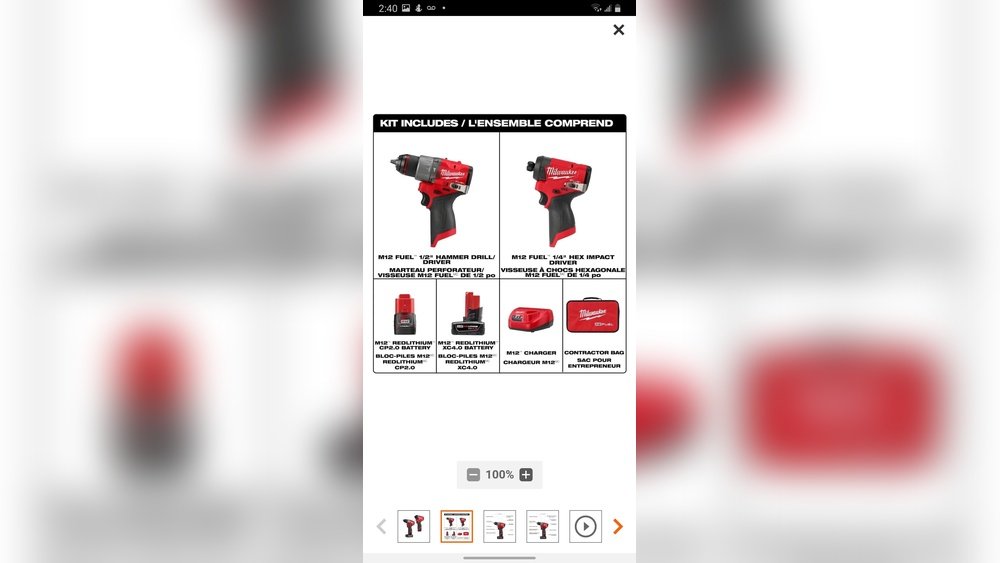
Are you tired of your cordless drill running out of power right when you need it most? Wondering how long a cordless drill battery really lasts before you have to recharge or replace it?
Knowing the answer can save you time, money, and frustration on your projects. You’ll discover the key factors that affect battery life and learn simple tips to make your drill’s battery last longer. Keep reading to make sure your cordless drill is always ready to go when you are.
Battery Life Basics
Understanding cordless drill battery life helps you use your tool better. Batteries power your drill, but their strength fades over time. Knowing how batteries work guides your buying and usage choices.
Battery life depends on many things. Type, capacity, and how you use the drill all matter. Let’s explore the basics to keep your drill running longer.
Types Of Cordless Drill Batteries
Cordless drills use three main battery types. Nickel-Cadmium (NiCd), Nickel-Metal Hydride (NiMH), and Lithium-Ion (Li-ion). NiCd batteries are older and heavier. They lose power quickly if not fully discharged.
NiMH batteries hold more charge than NiCd. They weigh less but still suffer from memory effect. Lithium-Ion batteries are the newest. They last longer, weigh less, and charge faster. Most new drills use Li-ion batteries.
Battery Capacity And Voltage
Battery capacity shows how much charge it holds. It is measured in amp-hours (Ah). Higher capacity means longer use between charges. Voltage shows the power level. Higher voltage means more drill strength.
Common cordless drill voltages range from 12V to 20V. Choose voltage based on the tasks you do. Higher voltage suits heavy-duty jobs. Lower voltage fits light tasks and saves weight.
Factors Affecting Battery Life
Battery life changes with use and care. Frequent heavy use drains batteries faster. Cold weather lowers battery performance. Charging habits also affect life. Avoid overcharging or deep discharging your battery.
Storing batteries in hot places can damage them. Keep batteries clean and dry. Proper care extends how long your cordless drill battery lasts.
Average Runtime Expectations
Knowing how long a cordless drill battery lasts helps plan your work better. Battery life depends on many factors. These include the type of job, drill settings, and real use. Understanding these can help you get the most from your drill.
Light Vs Heavy Duty Usage
Light tasks like drilling small holes use less battery power. The drill runs longer on a single charge. Heavy tasks like driving large screws drain the battery fast. The motor works harder and uses more energy. Expect shorter runtimes during tough jobs compared to simple ones.
Impact Of Drill Settings On Battery
Higher speed or torque settings use more battery power. Low settings save energy and extend runtime. Using the drill at full power quickly reduces battery life. Adjusting speed and torque to the task can keep your battery lasting longer.
Real-world Battery Performance
Manufacturers often list ideal battery life numbers. Real use is different. Temperature, age, and how you hold the drill affect battery life. A new battery lasts longer than an old one. Cold weather can reduce runtime. Expect around 20 to 60 minutes of use on one charge, depending on these factors.
Maximizing Battery Lifespan
Maximizing the lifespan of a cordless drill battery saves money and boosts tool performance. Proper care helps the battery hold charge longer and work better. Small habits make a big difference.
Learn simple ways to keep your battery healthy and lasting for years.
Proper Charging Techniques
Charge the battery fully before the first use. Avoid overcharging by unplugging once it reaches 100%. Use the charger made for your specific battery brand. Keep the charger and battery clean to avoid poor contact. Charge in a cool, dry place to prevent overheating. Avoid fast charging unless the battery supports it.
Storage Tips For Longevity
Store batteries in a cool, dry area away from direct sunlight. Keep batteries at about 40-60% charge during long storage. Avoid storing batteries completely empty or fully charged for months. Remove the battery from the drill when not in use for long periods. Check batteries regularly and recharge if the charge drops too low.
Avoiding Battery Drain
Turn off the drill when not in use to save power. Avoid using the drill at maximum speed for extended times. Use the correct drill bit for the job to reduce battery strain. Do not leave the battery inside the charger after charging is complete. Avoid exposing the battery to extreme cold or heat, which drains power quickly.

Credit: www.popularwoodworking.com
Troubleshooting Battery Issues
Battery issues can cause your cordless drill to stop working well. Troubleshooting these problems helps you save money and time. Knowing how to check your battery’s health keeps your drill ready for any job.
Some battery problems show clear signs. Others might seem like tool or charger problems. Identifying the battery as the issue is the first step.
Signs Of Battery Wear
Battery life shortens over time. Your drill may stop working quickly. It might lose power during use. A battery that heats up fast can be worn out. Swollen or damaged battery packs are a big warning sign. If your battery doesn’t hold a charge, it likely needs attention.
When To Replace Your Battery
Replace the battery if it cannot hold a full charge. If your drill runs less than 10 minutes, replacement is needed. Check for physical damage like cracks or leaks. Old batteries can cause tool damage. Buying a new battery saves you frustration and keeps work smooth.
Common Battery Problems
Loose connections can stop the battery from working. Dirty contacts may block power flow. Cold weather reduces battery efficiency. Overcharging can shorten battery life. Using the wrong charger can cause damage. Proper care extends battery life and tool performance.
Choosing The Right Battery
Choosing the right battery for your cordless drill matters a lot. The battery affects how long your drill runs and how powerful it feels. Picking the correct battery type and size can save money and boost drill performance. Understanding these basics helps you make the best choice for your needs.
Comparing Battery Types
There are three main battery types for cordless drills: NiCd, NiMH, and Li-ion. NiCd batteries are older and heavier. They lose power faster and have memory issues. NiMH batteries are lighter but still not as good as Li-ion. Li-ion batteries last longer and charge quicker. They hold power well and weigh less. Most new cordless drills use Li-ion batteries.
Battery Size And Compatibility
Battery size affects how long your drill runs. Larger batteries have more amp hours (Ah), which means longer use. Small batteries are lighter but run out faster. Always check if the battery fits your drill model. Using the wrong size can cause damage or poor performance. Choose a battery that matches your drill’s brand and model for best results.
Best Batteries For Cordless Drills
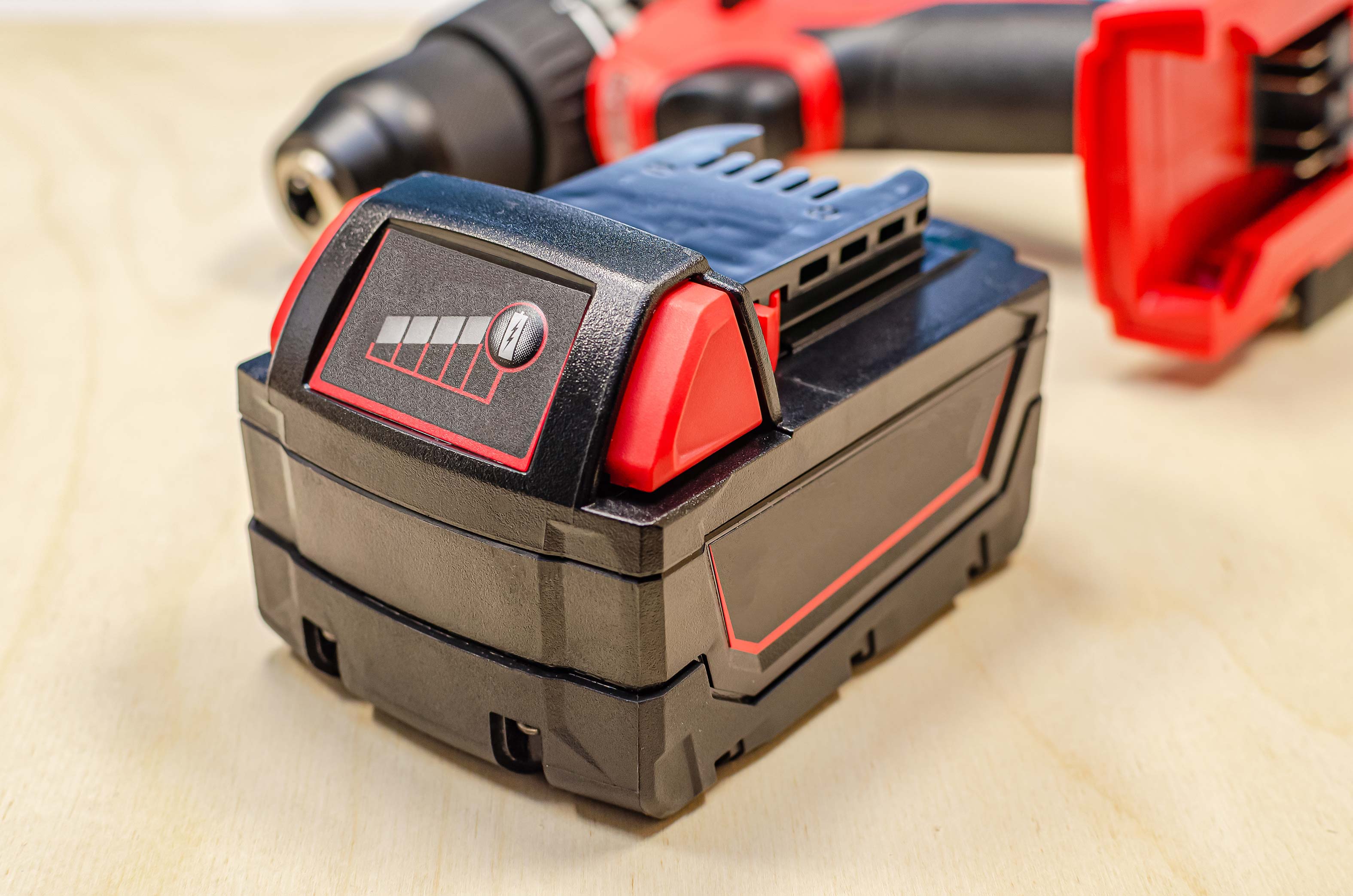
Li-ion batteries are the best choice for most users. They charge fast and last long. Look for batteries with higher Ah for longer run time. Some brands offer batteries with built-in protection against overheating. Choose batteries from trusted brands to ensure quality and safety. A good battery keeps your drill ready and strong for any task.

Credit: diy.stackexchange.com
Credit: www.grainger.com
Frequently Asked Questions
How Long Does A Cordless Drill Battery Last Per Charge?
A cordless drill battery typically lasts 30 minutes to 2 hours per charge. Battery life depends on usage, drill power, and battery capacity.
What Affects The Lifespan Of A Cordless Drill Battery?
Battery lifespan depends on factors like usage frequency, charging habits, storage conditions, and battery type. Proper care extends battery life.
How Often Should I Replace My Cordless Drill Battery?
Replace your battery every 2 to 3 years or when it no longer holds a charge well. Frequent use may shorten this period.
Can I Improve My Cordless Drill Battery Life?
Yes, avoid overcharging, store batteries in cool places, and use the drill moderately to extend battery life and performance.
Conclusion
Cordless drill batteries usually last between one to five years. Usage and care affect battery life a lot. Charging habits and storage also play key roles. Choosing the right battery type matters for longer use. Regular maintenance helps keep your drill ready to work.
Remember, battery life depends on many small factors. Keep these tips in mind for best results. Your cordless drill will serve you well if cared for properly. Battery life varies, but good habits extend it.
