


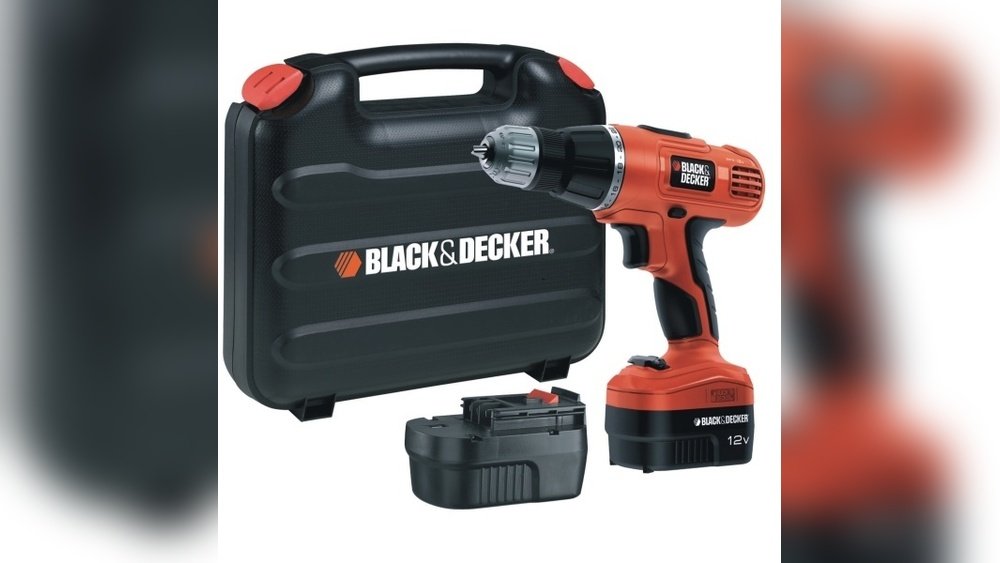
If you use a cordless drill, you know how frustrating it is when the battery dies right in the middle of a project. You might wonder, “How long should my cordless drill take to recharge?” Getting this right can save you time and keep your work moving smoothly.
You’ll discover exactly how long recharging usually takes, what affects charging time, and simple tips to speed up the process. Keep reading to make sure your drill is always ready when you need it most.
Battery Types And Charging Times
Choosing the right cordless drill depends a lot on its battery type and how fast it charges. Different batteries take different times to recharge. Knowing about these batteries helps you plan your work better. Below, we explain the main types of batteries and their charging times.
Nickel-cadmium Batteries
Nickel-Cadmium (NiCd) batteries are one of the oldest types used in drills. They usually take about 1 to 2 hours to fully charge. NiCd batteries can handle many charge cycles but suffer from a memory effect. This means they lose capacity if not fully discharged before charging again.
Lithium-ion Batteries
Lithium-Ion (Li-Ion) batteries are popular in modern cordless drills. They charge faster, often in 30 to 60 minutes. Li-Ion batteries are lighter and hold charge longer than NiCd. They do not have memory effect, so you can recharge anytime without losing power.
Nickel-metal Hydride Batteries
Nickel-Metal Hydride (NiMH) batteries are less common but offer good performance. Charging times range from 1 to 3 hours. NiMH batteries have more capacity than NiCd but less than Li-Ion. They also do not suffer much from memory effect, making them easier to maintain.

Credit: www.reddit.com
Factors Affecting Recharge Duration
The time it takes to recharge a cordless drill depends on several key factors. These factors influence how fast or slow the battery fills up with power. Understanding them helps set the right expectations for charging time.
Knowing what affects recharge duration helps you plan your work better. It avoids surprises and downtime while waiting for the drill to be ready.
Battery Capacity
Battery capacity is the total energy the battery can hold. Larger capacity batteries take longer to recharge. Smaller batteries fill up faster but hold less power for use. Capacity is measured in ampere-hours (Ah). Higher Ah means longer run time and longer charging time.
Charger Output
The charger output determines how much power goes into the battery per hour. Higher output chargers recharge batteries faster. Low output chargers take more time but are gentler on the battery. Check charger specs to know its power rating in volts and amps.
Battery Age And Condition
Old batteries lose their ability to hold charge well. They take longer to recharge and drain quickly. Batteries in poor condition may not reach full charge. Proper care extends battery life and keeps recharge times short. Regularly inspect and replace worn batteries.
Typical Charging Timeframes
Charging time for cordless drills varies by charger type and battery size. Knowing typical charging timeframes helps plan work better. Different chargers deliver power at different speeds. This section explains common charger types and their charging times.
Standard Chargers
Standard chargers are the most common type. They usually take 1 to 3 hours to fully charge a drill battery. The exact time depends on battery capacity. Larger batteries need more time. These chargers are reliable and safe for regular use.
Fast Chargers
Fast chargers reduce charging time significantly. They can recharge batteries in 30 to 60 minutes. These chargers push more power into the battery. This speeds up the process. Use fast chargers for urgent tasks or frequent use.
Trickle Chargers
Trickle chargers charge very slowly. They take several hours or even overnight. These chargers provide a small, steady current. They keep batteries topped up without overcharging. Best for long-term battery maintenance.
Tips To Speed Up Charging
Charging a cordless drill quickly saves time and keeps your work going. Small changes can help speed up the charging process. Follow these easy tips to get your drill ready faster.
Use Compatible Chargers
Always use the charger made for your drill’s battery. Chargers from other brands may charge slowly or damage the battery. A compatible charger matches the battery’s voltage and current. This helps the battery charge safely and fast.
Keep Batteries At Optimal Temperature
Charge batteries in a cool, dry place. Extreme heat or cold slows down charging and harms the battery. Room temperature is best. Avoid leaving batteries in direct sunlight or near heaters during charging.
Avoid Overcharging
Remove the battery once it is full. Overcharging can reduce battery life and slow future charging times. Modern chargers often stop charging when full. Still, check and unplug the charger to protect your battery.
Signs Of Battery Issues
Knowing the signs of battery issues helps maintain your cordless drill. Batteries wear out over time. This affects how fast and well they charge. Spotting problems early saves time and money. Watch for these common signs.
Longer Charging Times
Charging takes longer than usual. Your drill may need hours more to reach full power. This delay shows the battery struggles to hold a charge. It often means the battery is aging or damaged.
Reduced Battery Life
The battery runs out quickly after charging. It holds less power than before. This short run time means the battery cannot store energy well. Reduced battery life lowers your drill’s efficiency and usability.
Overheating During Charge
The battery gets very hot while charging. Heat can damage the battery cells inside. Overheating is a warning sign of a faulty or failing battery. It can also be unsafe, so watch for this issue closely.

Credit: www.blackanddecker.com
Maintenance For Better Battery Performance
Maintaining your cordless drill battery is key to fast and efficient charging. Proper care can extend battery life and improve performance. Small habits can make a big difference.
Regular Charging Cycles
Charge the battery fully before first use. Avoid letting it drain completely. Charging regularly keeps the battery healthy. Do not leave the battery plugged in for days. Unplug once fully charged to prevent damage.
Proper Storage
Store batteries in a cool, dry place. Avoid extreme heat or cold. High temperatures reduce battery life. Remove batteries from the drill if not using for a long time. Keep batteries away from metal objects to stop short circuits.
Cleaning Battery Contacts
Clean battery contacts to ensure good connection. Use a dry cloth or a soft brush. Dirt or dust can slow charging. Do not use water or liquids on contacts. Clean contacts regularly for best results.

Credit: www.reddit.com
Frequently Asked Questions
How Long Does A Cordless Drill Battery Usually Take To Recharge?
A cordless drill battery typically takes 1 to 3 hours to fully recharge. Charging time depends on battery type, capacity, and charger quality. Fast chargers can reduce this time significantly. Always follow manufacturer guidelines for optimal battery health and performance.
What Factors Affect Cordless Drill Recharge Time?
Recharge time depends on battery capacity, charger type, and battery condition. Higher capacity batteries take longer to charge. Fast chargers reduce time but may shorten battery lifespan. Temperature and age of the battery also impact charging speed and efficiency.
Can I Use The Drill While It’s Recharging?
No, most cordless drills cannot be used while charging. Attempting to use the drill during recharge can damage the battery and charger. Always wait until the battery is fully charged for safe operation and to maintain battery longevity.
How Can I Speed Up My Cordless Drill Recharge Time?
Use a fast charger compatible with your battery to reduce recharge time. Keep batteries at room temperature while charging. Avoid using the drill during charging and replace old batteries to maintain efficiency. Regular maintenance improves overall charging speed.
Conclusion
Cordless drills usually take about 30 minutes to a few hours to recharge. The charging time depends on the battery type and charger power. Fast chargers fill batteries quicker, while older chargers take more time. Knowing your drill’s recharge time helps you plan work better.
Always use the charger that comes with your drill for safety. Keep spare batteries ready to avoid delays. This way, your work stays smooth and uninterrupted. Understanding recharge times saves frustration and improves your drill’s performance.
