


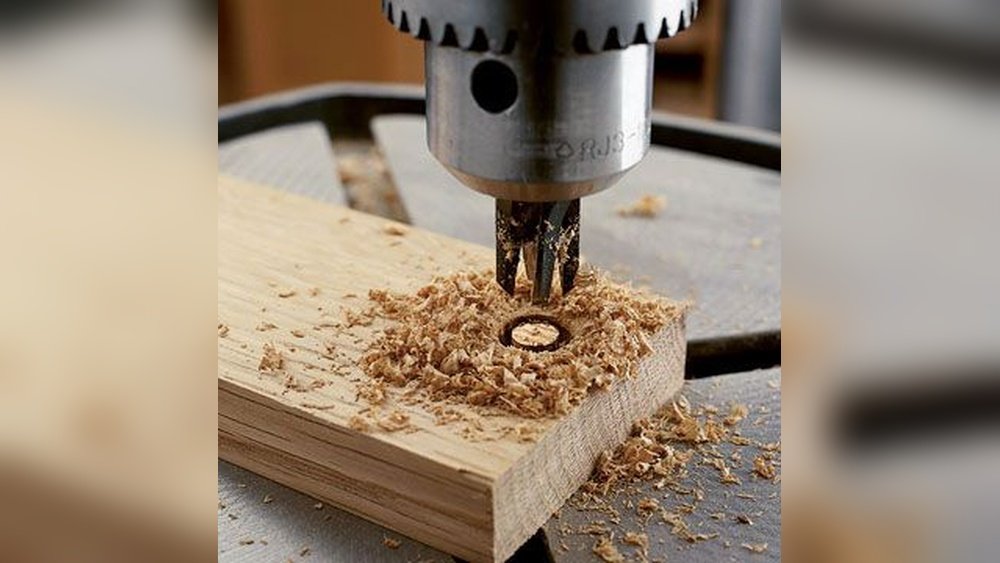
Have you ever needed to make plug holes but don’t have a drill press? It can feel frustrating when the right tools aren’t at your fingertips.
But what if you could create clean, precise plug holes using simple tools you already have? You’ll discover easy, step-by-step methods to make perfect plug holes without a drill press. By the end, you’ll gain confidence to tackle your project smoothly and save time and money.
Keep reading, because your next woodworking success starts here.
:max_bytes(150000):strip_icc()/102703486_0-e29e6fc9078a4cf9bc959ea898920ca4.jpg)
Credit: www.woodmagazine.com
Choosing The Right Materials
Choosing the right materials is key to making strong plug holes without a drill press. Good materials make the work easier and the results better. The wood and plugs must match well for a natural look and lasting hold.
Types Of Wood Suitable For Plug Holes
Hardwoods like oak, maple, and cherry are great choices. They are strong and hold plugs firmly. Softwoods like pine can work but may not be as durable. Match the wood type of your project to keep the look consistent. Avoid very soft or crumbly wood. It can break easily when cutting plug holes.
Selecting Dowels And Plugs
Dowels and plugs should be the same wood type as your project. This helps them blend well. Choose plugs with tight grain for strength. The size matters too. Pick dowels that fit snugly in the hole. Too loose or too tight will cause problems. Smooth plugs fit better and need less sanding.
Marking And Measuring Accurately
Marking and measuring accurately is the first step to making perfect plug holes without a drill press. It helps avoid mistakes and saves time. Careful marking ensures the plug fits well and looks clean. Taking time to measure right makes the whole project easier and neater.
Tools For Precise Marking
Use a sharp pencil or a fine-tip marker for clear lines. A combination square helps draw straight and angled lines. A ruler or measuring tape gives exact measurements. A center punch marks the drilling spot to prevent slipping. These simple tools improve accuracy without complex equipment.
Tips For Consistent Measurements
Measure twice, mark once. Check measurements from the same edge every time. Use a small piece of tape as a stop on the ruler for repeated marks. Keep your tools clean and in good shape for best results. Consistency in marking leads to clean, even plug holes.
Using A Hand Drill Effectively
Using a hand drill effectively is key to making clean plug holes without a drill press. It takes control and the right tools. With careful handling, you can achieve precise results on wood or other materials. Follow simple steps to get smooth holes that fit plugs well.
Selecting The Proper Drill Bit
Choosing the right drill bit is important for clean holes. Use a bit designed for wood to avoid splintering. A brad point bit works well because it starts drilling exactly where you want. Make sure the bit size matches the plug size for a snug fit. Dull bits cause rough holes, so always use sharp ones.
Techniques For Steady Drilling
Keep your hand steady to drill straight holes. Hold the drill firmly with both hands. Mark the spot clearly before drilling. Start slowly to guide the bit into the material without slipping. Apply gentle, even pressure to avoid cracking or tearing the wood. Pause now and then to clear out sawdust and check your progress.
Employing A Brace And Bit
Employing a brace and bit offers a simple way to make plug holes without a drill press. This traditional tool uses manual power to drill holes with control and precision. It works well for woodworking projects where power tools are not available.
The brace and bit help you create clean, round holes. It is easy to handle and requires no electricity. This makes it a great choice for small workshops or outdoor tasks.
Advantages Of Manual Bracing
Manual bracing gives you full control over drilling speed and depth. It reduces the risk of over-drilling or damaging the wood. The tool is quiet and produces less heat than electric drills.
It is lightweight and easy to carry around. You can use it anywhere without needing a power source. The brace and bit also help preserve the wood’s texture and finish.
Step-by-step Drilling Process
Start by selecting the right bit size for your plug hole. Secure the workpiece firmly to avoid movement. Hold the brace handle with one hand and the top knob with the other.
Place the bit tip on the marked spot. Turn the handle slowly in a clockwise motion. Apply steady pressure to help the bit cut into the wood.
Keep turning until you reach the desired hole depth. Pull the bit out carefully while still rotating it. Check the hole for smoothness and clean any wood chips.
Creating Plug Holes With Chisels
Creating plug holes with chisels is a simple way to make neat, clean holes without a drill press. This method uses hand tools to carefully remove wood, shaping the hole to fit a plug perfectly. It requires patience and steady hands but works well for small to medium projects.
The key is to control the chisel and remove wood bit by bit. This gives more precision than power tools. It also reduces the risk of splitting the wood around the hole. With the right tools and technique, you can create plug holes that look professional and last long.
Tools Needed For Chisel Work
Start with a sharp chisel, about 1/2 inch wide. A wooden mallet helps tap the chisel gently. A marking knife or pencil is useful for drawing the hole outline. You also need a ruler or square to measure accurately. Sandpaper can smooth edges after carving. These simple tools keep the work clean and controlled.
Carving The Hole With Precision
Mark the hole shape clearly on the wood surface. Use the chisel to score the outline first. This prevents chipping outside the line. Tap the chisel lightly along the outline edges.
Next, remove wood inside the outline. Work slowly, shaving thin layers. Hold the chisel at a slight angle to control depth. Check the hole shape often with the plug piece. Stop carving once the plug fits snugly without forcing.
Finish by smoothing the hole edges with sandpaper or the chisel’s flat side. This makes the plug fit flush and look neat. Take your time and work carefully for the best results.
Using A Router Without A Drill Press
Using a router without a drill press is a practical way to make plug holes. A router offers control and precision for drilling holes in wood. This method works well for small projects or when a drill press is not available.
Setting Up The Router
Start by choosing the right router bit for your hole size. Secure the wood piece firmly to avoid movement. Use clamps or a vise to hold it steady. Adjust the router depth to match the plug hole depth. Check that the router base is flat on the wood surface. This setup ensures a clean and accurate cut.
Techniques For Clean Holes
Begin routing slowly and steadily. Avoid pushing the router too fast. Let the bit do the cutting. Move the router in a circular motion to create a smooth hole. Stop and clear wood chips often to keep the cut clean. Use a guide or template if needed for perfect hole placement. Finish by sanding the edges lightly for a neat look.
Finishing Touches On Plug Holes
Finishing touches on plug holes make your project look clean and professional. This step hides imperfections and blends plugs with wood perfectly. Taking time here improves the overall appearance of your work.
Sanding And Smoothing
Start by sanding the plug surface to remove rough spots. Use fine-grit sandpaper for a smooth finish. Sand around the hole to blend the plug with wood. Sand lightly to avoid changing the plug shape. Smooth edges create a natural, seamless look.
Applying Glue And Installing Plugs
Apply wood glue inside the hole before placing the plug. Use enough glue to hold the plug firmly but not too much. Insert the plug carefully, pressing it until flush with the surface. Wipe excess glue immediately to avoid stains. Let glue dry fully for strong bonding.

Credit: www.youtube.com
Common Mistakes To Avoid
Making plug holes without a drill press can be tricky. Many beginners make common mistakes that affect the final look and strength of the plug. Avoiding these errors will save time and effort. It will also improve the quality of your work.
Preventing Splintering And Cracks
Splintering happens when the wood fibers tear instead of cutting cleanly. Use sharp drill bits to reduce this risk. Slow down the drilling speed to avoid sudden breaks. Place a scrap piece of wood under the workpiece to support the wood fibers. This backing helps prevent cracks at the exit point of the hole.
Ensuring Hole Depth And Diameter Accuracy
Measuring the hole depth before drilling keeps plug holes consistent. Mark the bit with tape to stop drilling too deep. Choose the correct bit size to match the plug diameter exactly. A wrong size causes loose plugs or tight fits. Test on scrap wood before working on the final piece. This practice helps maintain accuracy and prevents mistakes.

Credit: www.teknatool.com
Frequently Asked Questions
How Can I Make Plug Holes Without A Drill Press?
You can use a hand drill with the right drill bits for precise plug holes. Clamp your workpiece securely to avoid movement.
What Tools Replace A Drill Press For Plug Holes?
A hand drill, spade bit, or hole saw can replace a drill press. These tools offer control for smaller projects.
Are Plug Holes Possible With Manual Tools?
Yes, manual tools like a hand brace and bit can create plug holes. Patience and steady hands are essential for accuracy.
How Do I Ensure Plug Holes Are Straight Without A Drill Press?
Use a drill guide or a jig to keep the drill bit perpendicular. Mark your hole locations clearly for better alignment.
Conclusion
Making plug holes without a drill press is simple and doable. Use basic tools like hand drills, awls, or chisels. Take your time and work carefully for clean results. Practice on scrap wood before starting your project. This method saves money and space while still giving good results.
Anyone can try these steps at home. Keep safety in mind and enjoy your woodworking journey.
