


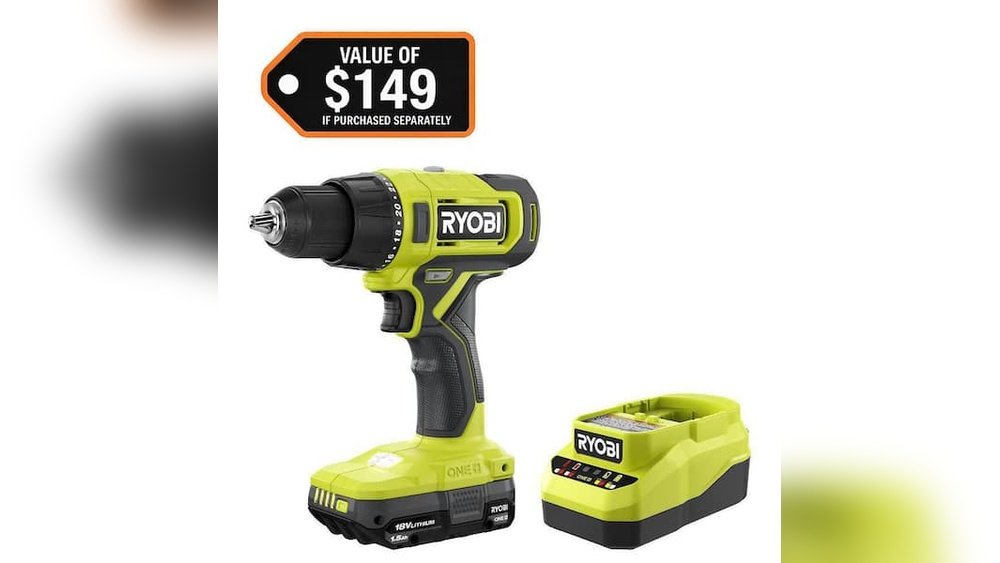
If you’re thinking about getting a Ryobi 18 Volt cordless drill, you probably want to know one key thing: how much torque does it really have? Torque is what powers your drill through tough jobs, from drilling into wood to driving screws.
Knowing this can help you decide if the drill fits your needs, whether you’re a DIY beginner or a seasoned pro. Keep reading, and you’ll discover exactly how much muscle this drill packs—and why it matters for your next project.
Ryobi 18v Drill Torque Basics
The Ryobi 18V cordless drill is popular for many DIY tasks. Torque is one key feature that affects its power. Understanding torque helps you know what the drill can do. This section explains the basics of torque in the Ryobi 18V drill.
Knowing how torque works lets you choose the right drill for your needs. It also helps with using the drill safely and effectively. Let’s explore what torque means and why it matters.
What Torque Means In Drills
Torque is the twisting force a drill creates. It is measured in inch-pounds or Newton-meters. Higher torque means the drill can turn screws or drill holes with more power. Torque affects how well the drill handles tough materials like wood or metal.
Low torque drills work well for small tasks. High torque drills suit heavy-duty jobs. The Ryobi 18V drill has adjustable torque settings. This lets you control the force for different projects.
Importance Of Torque In Drilling
Torque helps the drill bite into materials without slipping. Proper torque reduces the risk of stripping screws. It also prevents damage to the drill and work surface. Good torque makes drilling faster and easier.
Too little torque can stop the drill from working on hard surfaces. Too much torque can break screws or drill bits. The Ryobi 18V drill balances power and control. This makes it a reliable tool for home and workshop use.
Torque Specifications Of Ryobi 18v Drills
The torque of a drill shows how strong its twisting force is. Ryobi 18V cordless drills offer good torque for many tasks. These drills work well for wood, metal, and plastic jobs. Knowing the torque helps choose the right drill for your needs. Torque affects how easily screws and bolts turn. It also affects drilling speed and control.
Ryobi has several 18V drill models. Each model has different torque levels. The torque specs depend on the drill’s motor and design. Some models focus on light work. Others handle tougher jobs with higher torque. Understanding these specs makes it easier to pick the right tool.
Torque Range Across Different Models
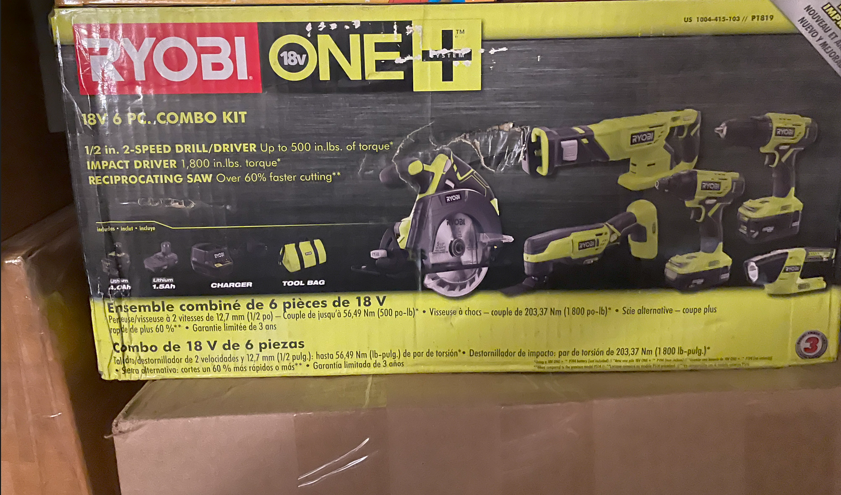
Ryobi 18V drills have torque from about 300 inch-pounds to 600 inch-pounds. The lower end suits small tasks like assembling furniture. Higher torque models handle drilling into harder materials. Mid-range torque drills offer a balance for most home projects. Some models let you adjust torque settings. This gives more control and prevents damage to screws.
Comparing Torque With Other Brands
Ryobi torque is competitive with other brands in the same price range. Brands like DeWalt and Milwaukee may offer slightly higher torque in premium models. Ryobi stands out for balancing power and affordability. Its torque levels meet the needs of DIY users and hobbyists. The difference in torque often depends on motor size and battery quality. For most home jobs, Ryobi’s torque is enough.
Factors Affecting Torque Performance
The torque of a Ryobi 18 Volt cordless drill depends on several key factors. These factors influence how much twisting force the drill can apply. Understanding them helps you get the best performance from your tool.
Torque is not just about the motor power. It involves how the drill uses its energy and settings to deliver force. These elements work together to affect the drill’s strength and control.
Battery Capacity And Power Output
The battery is the drill’s main power source. A higher capacity battery provides more energy for the motor. This results in stronger torque and longer run time.
Voltage also affects power output. The 18 Volt battery offers a good balance of power and portability. A fully charged battery allows the drill to deliver its maximum torque.
As the battery drains, power drops. This reduces torque and may slow down your work. Keeping the battery charged ensures consistent drill performance.
Gear Settings And Speed Control
Ryobi drills often have multiple gear settings. Lower gears provide higher torque but slower speed. Higher gears increase speed but reduce torque.
Using the right gear for the task improves efficiency. Tightening screws needs high torque and low speed. Drilling holes requires higher speed and less torque.
Speed control lets you adjust how fast the drill spins. Slower speeds give more control and better torque. Faster speeds are good for quick drilling but less torque.

Credit: www.ebay.com
Measuring And Adjusting Torque
Torque control is key when using a Ryobi 18 Volt cordless drill. It helps avoid over-driving screws or damaging materials. Measuring and adjusting torque ensures tasks complete smoothly and safely. This section explains how to set and measure torque correctly on Ryobi drills.
How To Set Torque On Ryobi Drills
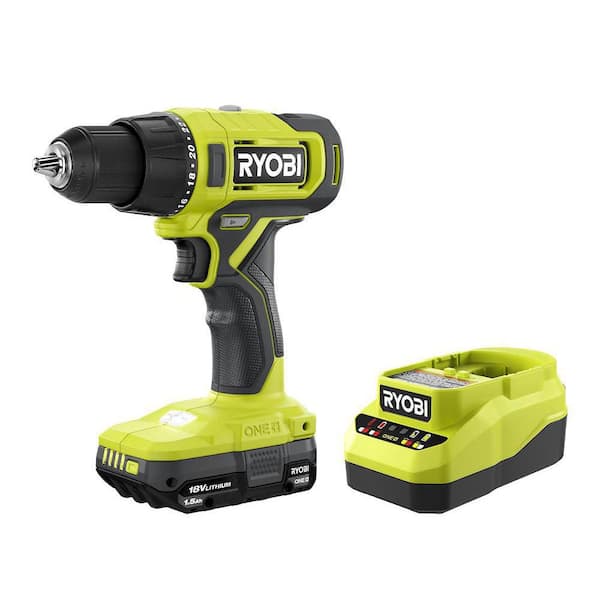
Ryobi drills have a torque adjustment ring near the chuck. Turn the ring to select the torque level. Lower numbers mean less torque, good for light tasks. Higher numbers offer more torque for tough jobs. Test on scrap wood to find the right setting. Stop adjusting once screws drive in without stripping.
Tools To Measure Torque Accurately
Using a torque wrench or torque tester gives exact readings. These tools measure force in inch-pounds or newton-meters. Attach the drill bit and run the drill to check torque output. Digital torque meters provide quick and easy results. Accurate measurement helps maintain tool performance and work quality.
Applications Based On Torque Levels
Understanding torque levels helps use the Ryobi 18 Volt cordless drill properly. Torque means the drill’s twisting power. Different tasks need different torque settings. Using the right torque improves work quality and tool life.
Best Tasks For Low Torque Settings
Low torque suits light tasks. These include drilling small holes in wood or metal. It also works well for driving small screws. Low torque prevents damage to soft materials. It stops screws from going too deep or stripping.
Use low torque for assembling furniture. It helps avoid cracking or splitting wood. It also keeps plastic parts safe. Low torque settings save battery life during simple jobs. This setting is perfect for beginners.
Using High Torque For Heavy-duty Jobs
High torque fits tough jobs. It helps drill large holes in hard materials. Use it for driving long or thick screws. High torque gives extra power for construction work. It handles dense wood, metal, and masonry well.
Heavy-duty tasks need more force to finish quickly. High torque reduces the chance of stalling. It also helps when working with power-hungry attachments. Choose high torque for outdoor projects and repairs. It makes demanding jobs easier and faster.
Credit: www.ebay.com
Tips To Maximize Torque Efficiency
Maximizing the torque efficiency of your Ryobi 18 Volt cordless drill ensures better performance and longer tool life. Small steps can make a big difference in how your drill works. Proper care and simple habits keep the torque strong and steady.
Maintenance For Optimal Performance
Clean your drill after each use. Dirt and dust can reduce torque power. Check the chuck for tightness and remove any debris. Lubricate moving parts to avoid friction. Tighten screws and parts regularly. Worn brushes or gears need replacing. Regular maintenance keeps the drill running smoothly and maintains torque output.
Battery Care For Consistent Torque
Charge the battery fully before use. Avoid letting the battery drain completely. Store batteries in a cool, dry place. High heat lowers battery life and torque power. Use the original charger for best results. Swap batteries during long jobs to keep torque steady. Proper battery care ensures your drill delivers strong torque every time.
Credit: www.homedepot.com
Frequently Asked Questions
How Much Torque Does A Ryobi 18 Volt Drill Provide?
A Ryobi 18 Volt cordless drill typically offers torque ranging from 350 to 600 inch-pounds. This varies by model and clutch settings, making it ideal for most household and light professional tasks.
Can Ryobi 18 Volt Drills Handle Heavy-duty Tasks?
Ryobi 18 Volt drills are designed for medium-duty jobs. They provide enough torque for drilling into wood, metal, and plastic but may struggle with very hard materials or heavy-duty industrial work.
What Affects The Torque In A Ryobi 18 Volt Drill?
Torque depends on battery charge, clutch settings, and drill model. Higher clutch settings increase torque, while a full battery ensures peak performance and consistent power output.
How Does Torque Impact Ryobi 18 Volt Drill Performance?
Torque determines the drill’s ability to turn screws and drill through materials. Higher torque means better performance in tougher materials and faster completion of tasks.
Conclusion
The Ryobi 18 Volt cordless drill offers enough torque for many home projects. It handles wood, metal, and plastic with ease. The variable speed helps control power for different tasks. Its torque range suits both light and medium jobs. This drill is a solid choice for DIY users.
You get good performance without extra weight. Overall, it meets the needs of most casual builders. A reliable tool to keep in your collection.
