


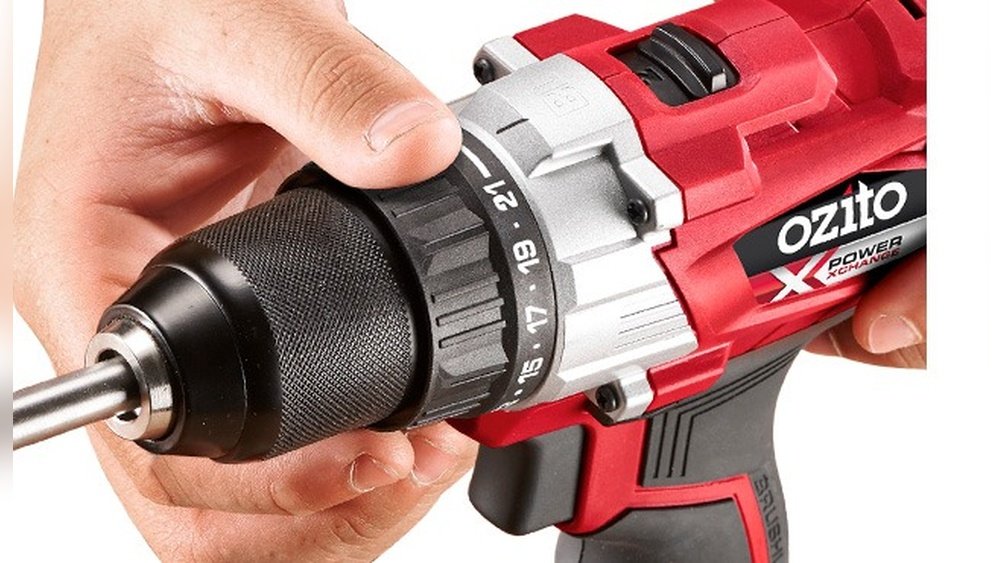
When you’re choosing a cordless hammer drill, one question probably stands out: how much torque do you really need? Too little torque, and your drill might struggle with tough materials.
Too much, and you could end up with a tool that’s heavy and hard to control. Understanding the right torque for your projects can save you time, effort, and money. You’ll discover exactly what torque means for your cordless hammer drill and how to pick the perfect power level for your needs.
Keep reading to make sure your next drill is the perfect match for every job you tackle.
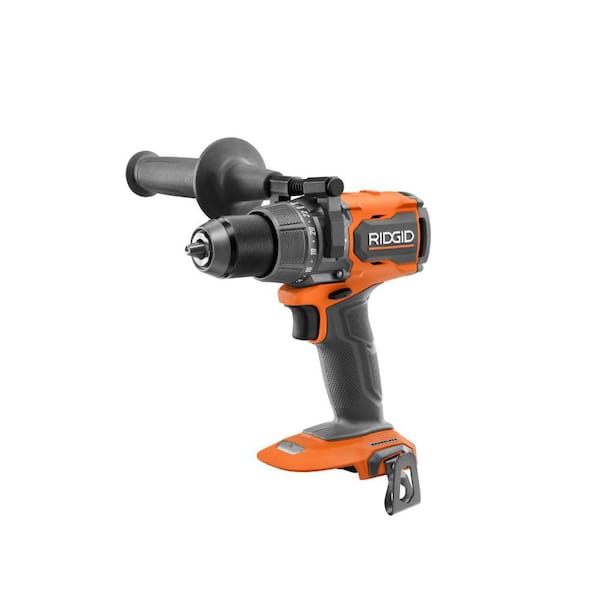
Credit: www.homedepot.com
Torque Basics
Understanding torque is key when choosing a cordless hammer drill. Torque tells you how strong the drill is at turning screws or drilling into tough materials. Knowing the basics helps you pick the right tool for your job.
Below, we break down what torque means, how it is measured, and why it matters for your projects.
What Torque Means
Torque is the force that causes an object to rotate. In drills, it means how hard the drill can turn a bit. Higher torque lets you drill through harder materials or drive bigger screws easily.
Low torque tools work best for light tasks. High torque tools handle tough jobs without stalling or slowing down.
Torque Units Explained
Torque is measured in units like Newton-meters (Nm) or inch-pounds (in-lbs). Newton-meters are common in most countries. Inch-pounds are used mainly in the United States.
One Newton-meter equals about 8.85 inch-pounds. Knowing these units helps compare drills correctly.
Why Torque Matters
Torque affects how well your drill performs. Too little torque means the drill may stop or struggle. Too much torque might damage screws or materials.
Choosing the right torque makes your work easier and protects your tools and materials. It saves time and effort on every project.
Cordless Hammer Drill Features
Cordless hammer drills combine power and mobility for many projects. They are designed to drill holes and drive screws in tough materials. Understanding their features helps choose the right tool for your needs.
These drills offer several benefits, including ease of use and versatility. Their key features affect performance, especially torque. Torque determines how strong the drill spins and impacts materials.
Key Components
The main parts include the motor, hammer mechanism, and chuck. The motor powers the drill and controls speed. The hammer mechanism adds a pounding action for drilling hard surfaces. The chuck holds different drill bits securely.
Some models have adjustable speed and torque settings. This lets you control the drill for different tasks. A comfortable grip and lightweight design improve handling.
Power Sources
Batteries power cordless hammer drills. Lithium-ion batteries are common for their long life and light weight. Higher voltage batteries provide more power but can be heavier. Battery capacity affects how long the drill runs between charges.
Battery technology impacts drill performance and torque. Some drills use removable batteries for easy swapping. Others have built-in batteries that charge faster.
Impact On Torque
Torque shows how much twisting force the drill delivers. Stronger motors and better batteries usually mean higher torque. Higher torque helps drill through tough materials like concrete or metal.
Adjustable torque settings prevent damage to materials. They allow precise control for delicate or hard jobs. The hammer action also affects torque by adding force with each impact.
Choosing the right torque level depends on your task. Low torque suits light drilling, while high torque handles heavy work. Understanding features helps pick a drill with the right torque for you.
Torque Range For Tasks
The torque of a cordless hammer drill plays a key role in how well it performs for various jobs. Torque means the force the drill uses to turn screws or drill into materials. Different tasks need different torque levels. Choosing the right torque range helps you work faster and avoid damage.
Understanding the torque range helps you pick the best drill for your needs. Below are typical torque ranges for light, medium, and heavy-duty tasks. This guide simplifies your choice and improves your work results.
Light-duty Projects
Light-duty projects include hanging pictures and assembling small furniture. These jobs need low torque, usually between 100 and 300 inch-pounds. Low torque prevents overdriving screws and damaging soft materials. A cordless hammer drill with adjustable low torque fits well here.
Medium-duty Projects
Medium-duty tasks cover drilling into wood, metal, and masonry sometimes. Torque between 300 and 800 inch-pounds works best. This range gives enough power for most home and DIY projects. It balances control and strength, letting you handle tougher materials safely.
Heavy-duty Projects
Heavy-duty work involves drilling concrete, brick, and thick metal. Torque above 800 inch-pounds is required. High torque drills can handle large fasteners and hard surfaces without slowing down. These powerful tools suit professionals and serious DIYers with demanding jobs.
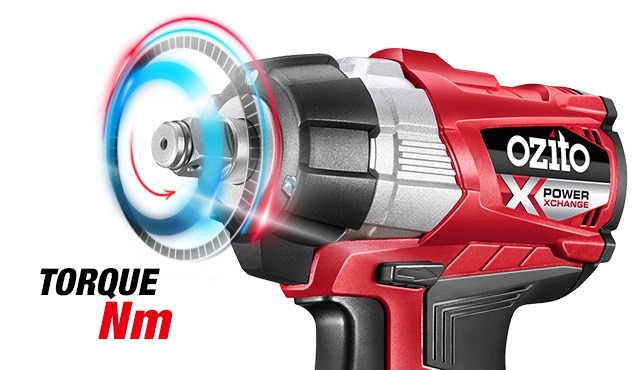
Credit: www.ozito.com.au
Choosing The Right Torque
Choosing the right torque for a cordless hammer drill affects how well it works. Torque means the twisting power the drill uses. Too little torque can make drilling hard or slow. Too much torque can damage materials or the drill itself. It is important to match the torque to the task and materials.
Several factors influence the right torque level. These include the type of material you drill, the drill bits used, and the battery life of your tool. Understanding these helps you pick a drill that fits your needs. Below are key points to consider.
Material Considerations
Hard materials like concrete or metal need high torque. Softer materials like wood or plastic require less torque. Using too much torque on soft materials can cause cracking or breaking. Choose a drill that offers adjustable torque settings. This allows you to work on different materials safely and efficiently.
Drill Bit Types
Different drill bits need different torque levels. Masonry bits for stone or brick need strong torque. Wood and metal bits usually require moderate torque. Using the right torque helps bits last longer. It also improves the quality of the hole or screw placement.
Battery Life And Torque
Higher torque needs more battery power. Drills with strong torque may drain batteries faster. Check the battery capacity and voltage before buying. A good battery supports longer work without stopping. Balance torque power with battery life for best results.
Torque Adjustment Tips
Adjusting the torque on a cordless hammer drill helps you work more efficiently. It protects your materials and tool from damage. Proper torque settings give you better control and cleaner results.
Understanding torque adjustment improves your drilling experience. It saves time and effort during tasks.
Using Clutch Settings
The clutch controls the torque output on your drill. It stops the drill from turning when it reaches the set torque. This prevents stripping screws or damaging surfaces. Adjust the clutch based on the task and material hardness. Lower settings work for soft materials, and higher settings suit tougher jobs.
Speed Control
Speed affects the torque applied during drilling. Lower speeds increase torque, which is good for tough materials. Higher speeds reduce torque but drill faster in soft materials. Choose a speed that matches your task. Use slow speed for precision and high torque for difficult drilling jobs.
Avoiding Over-tightening
Over-tightening screws can damage materials or break the drill bit. Set torque just enough to hold screws firmly. Stop tightening once the screw feels secure. This prevents stripping screw heads and saves your drill’s motor from stress. Proper torque protects your work and tool longevity.
Popular Models And Their Torque
Choosing the right cordless hammer drill means knowing how much torque it offers. Torque affects how well the drill can handle tough jobs like drilling into concrete or metal. Different models have different torque levels, which can change how they perform. This section covers popular models and their torque to help you make a smart choice.
Top Brands Comparison
Several top brands make cordless hammer drills. Brands like DeWalt, Makita, and Milwaukee are well-known. Each brand offers models with different torque levels. DeWalt drills often provide strong torque, good for heavy tasks. Makita models balance power and lightweight design. Milwaukee drills focus on high torque for demanding jobs. Comparing these brands helps find the best fit for your needs.
Torque Specifications
Torque is usually measured in inch-pounds or Newton-meters. Most cordless hammer drills range from 300 to 1200 inch-pounds. Light-duty models might have around 300-500 inch-pounds. Heavy-duty models can reach 1000 inch-pounds or more. Higher torque helps drill through hard materials easily. Lower torque models suit softer materials and smaller jobs. Knowing the specs helps pick the right drill.
User Reviews
Users often share their experiences with torque and performance. Many say high torque drills feel more powerful and do tough jobs faster. Some users prefer mid-range torque for better control and less weight. Others notice battery life drops with very high torque drills. Reading reviews gives real insight into how torque affects daily use. User feedback is valuable for choosing a reliable drill.
Maintenance For Optimal Torque
Maintaining your cordless hammer drill is key to keeping its torque strong and reliable. Proper care helps the tool work better and last longer. Simple steps can prevent torque loss and ensure smooth operation every time you use it.
Regular upkeep protects the drill’s internal parts. It stops dust and debris from building up. Good maintenance also keeps the battery healthy and the moving parts well-lubricated.
Regular Cleaning
Clean your drill after each use. Wipe off dust and dirt from the surface. Use a soft brush to clear vents and crevices. Dirt inside can block airflow and cause overheating. Overheating lowers torque and damages the motor.
Battery Care
Charge the battery fully before use. Avoid letting it drain completely. Store batteries in a cool, dry place. Extreme heat or cold reduces battery life. Healthy batteries deliver consistent power and maintain torque.
Lubrication
Lubricate moving parts regularly. Use the lubricant recommended by the manufacturer. Proper lubrication reduces friction and wear. It helps the drill run smoothly and keep its torque. Avoid over-lubrication, which can attract dirt.
Common Torque Problems
Torque is the force that makes a cordless hammer drill turn and drill into tough materials. Common torque problems can stop your drill from working well. These issues affect how fast and strong your drill spins. Knowing these problems helps you fix them fast. It also stops bigger damages and saves money.
Signs Of Low Torque
Your drill may show clear signs if torque is low. It might spin without power or slow down under pressure. The drill bit can slip or stop drilling deep. Strange noises can also happen during use. These signs mean your drill is not giving enough force.
Troubleshooting Tips
Check the battery first. Low power can cause low torque. Make sure the drill bit is tight and not worn out. Clean the drill to remove dust and dirt. Test the settings to see if torque control is correct. If the drill overheats, let it cool down before use.
When To Repair Or Replace
If the drill still has low torque after simple fixes, it may need repair. Worn gears or motor problems can cause torque loss. Repair can be cheaper than buying new. But if the drill is very old or damaged, replacement is better. A strong torque drill saves time and effort on every job.

Credit: www.ohiopowertool.com
Frequently Asked Questions
What Torque Is Ideal For A Cordless Hammer Drill?
An ideal cordless hammer drill torque ranges from 300 to 600 inch-pounds. This range suits most DIY and professional tasks efficiently, offering strong performance without excessive weight or cost.
How Does Torque Affect Hammer Drill Performance?
Torque determines the drill’s twisting force, impacting its ability to drive screws and drill into tough materials. Higher torque means better performance on dense surfaces but may reduce precision for delicate tasks.
Should Torque Vary By Drill Battery Voltage?
Yes, higher voltage drills typically provide more torque. For example, 18V or 20V drills offer stronger torque than 12V models, making them better for heavy-duty hammer drilling jobs.
Can Too Much Torque Damage Materials Or Tools?
Excessive torque can strip screws or crack materials. It may also strain the drill’s motor. Choosing appropriate torque settings ensures safe and effective drilling without damage.
Conclusion
Choosing the right torque for a cordless hammer drill matters a lot. Too low torque means the drill may struggle with tough jobs. Too high torque can make it hard to control. Think about the tasks you plan to do most.
Simple tasks need less torque, while heavy work needs more. Finding a balance helps you work safely and efficiently. Trust your needs, not just numbers. The right torque makes your drilling easier and more effective. Keep this in mind for your next tool purchase.
