


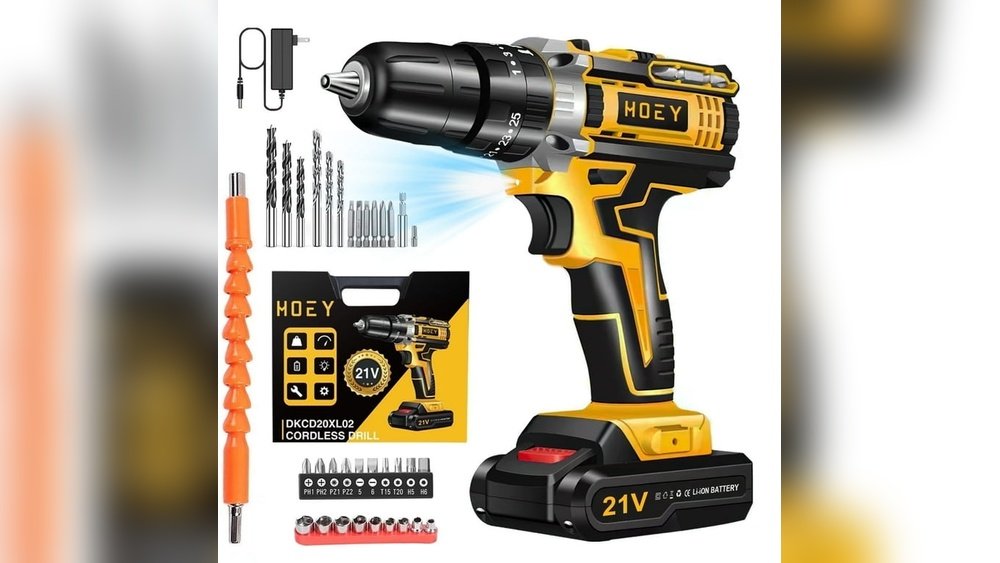
Have you ever wondered what makes your power impact driver chuck grip bits so tightly and deliver such strong torque? Understanding how this small but crucial part works can boost your confidence and help you get the most out of your tool.
Whether you’re a DIY enthusiast or a professional, knowing how your impact driver chuck functions will make your projects smoother and more efficient. Keep reading, and you’ll discover the simple secrets behind its powerful grip and how it handles tough jobs with ease.
Power Impact Driver Basics
Power impact drivers are popular tools for fast and strong fastening. They use both rotation and concussive blows to drive screws and bolts. Understanding the basics helps users pick and use the right tool effectively.
The chuck is the part that holds the bit. It must be strong and easy to change. This section explains the essential parts and types of chucks found in power impact drivers.
Key Components
The chuck grips the bit tightly during use. It connects to the motor and transfers power. Inside, springs and locking mechanisms secure the bit firmly. This setup prevents slipping and improves control.
The driver also has an anvil, which absorbs impact forces. The hammer mechanism delivers quick, powerful strikes to the anvil. This action helps the driver push screws into tough materials easily.
Types Of Chucks
Most impact drivers use a hex chuck. It holds bits with a hexagonal shank securely. This design allows quick bit changes without tools.
Some models use quick-release chucks. These feature a collar that slides back to release the bit. They speed up work by making bit swaps fast and simple.
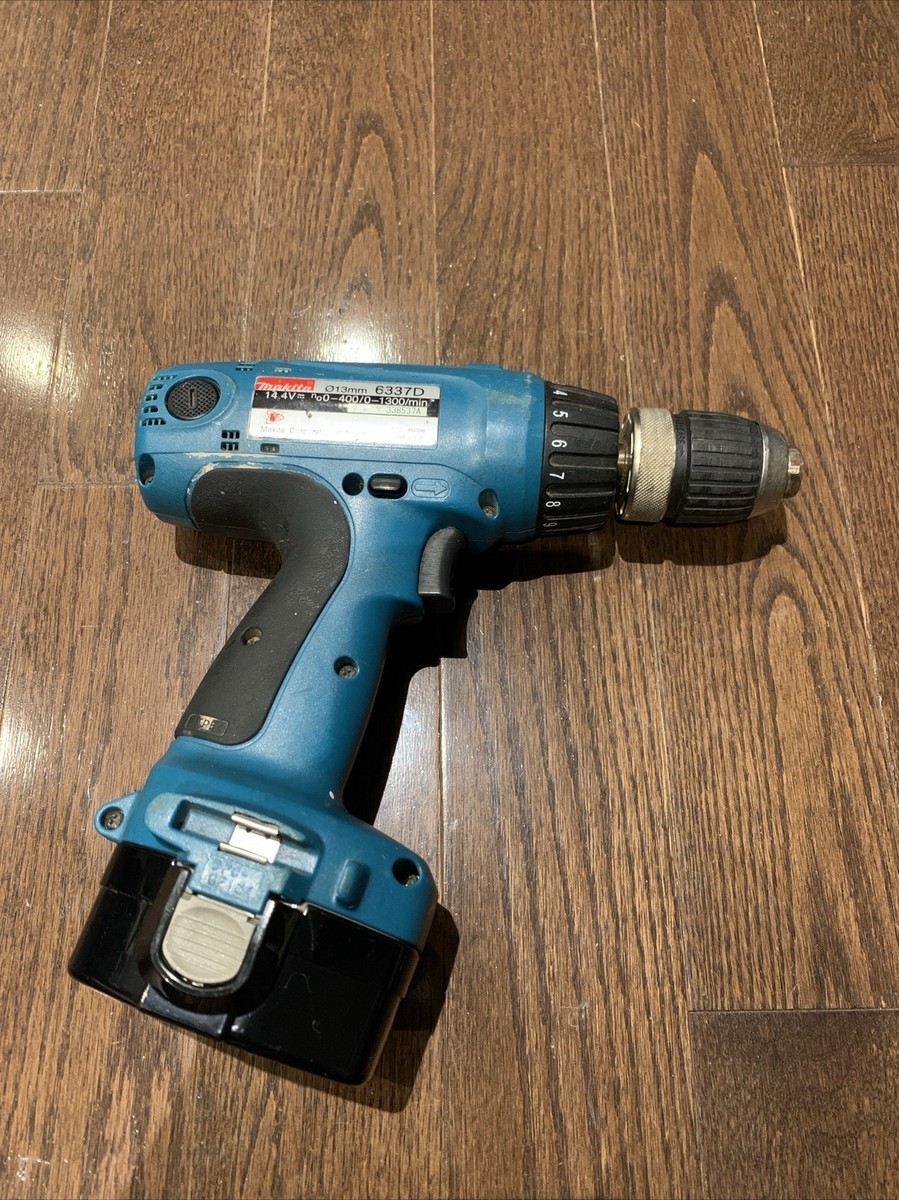
Less common are keyed chucks. They require a key to tighten or loosen the bit. These offer a very tight grip but take more time to change bits.
Credit: www.ebay.com
Chuck Mechanism
The chuck mechanism is a key part of a power impact driver. It holds the bit tightly. This allows the driver to apply strong force without the bit slipping. Understanding the chuck helps in choosing the right driver and using it correctly.
Jaw Operation
The chuck has three or four jaws. These jaws move together to hold the bit. When you twist the chuck sleeve, the jaws move inward or outward. Moving inward grips the bit. Moving outward releases it. The jaws fit around the bit’s base, holding it firmly in place.
Locking System
The locking system keeps the jaws tight during use. It stops the bit from falling out. Some chucks use a spring or ratchet to lock the jaws. Others use a key to tighten the grip. This system makes sure the bit stays secure even under high torque.
Torque And Impact Function
The torque and impact function is key to a power impact driver’s strength. Torque means the twisting force the tool uses to turn screws or bolts. Impact means quick bursts of extra force to help drive fasteners into tough materials. Together, they make the tool very effective.
Understanding how torque and impacts work helps you use the driver better. It also shows why this tool is different from a regular drill.
How Torque Is Applied
The motor creates torque by turning the chuck. This force twists the screwdriver bit. Higher torque means the driver can turn bigger screws or bolts. The torque can be steady or vary depending on the material.
The driver controls torque to avoid stripping screws. It stops or slows down if it senses resistance. This protects the screw and the tool.
Role Of Impacts In Driving
The impact function adds short bursts of force. These bursts hit the screw quickly to push it deeper. This helps when screws get stuck or the material is hard.
Impacts reduce the effort your hand needs. The tool does the hard work by delivering fast, strong hits. This also prevents the bit from slipping out of the screw head.
Efficiency Factors
Efficiency in a power impact driver chuck depends on several key factors. These factors affect how well the tool performs and how long it lasts. Understanding these elements helps in choosing the right driver and using it properly for better results.
Material Quality
The quality of materials used in the chuck affects its strength and durability. High-quality steel or alloy parts resist wear and tear. This means the chuck holds bits tightly and reduces slipping. Poor materials lead to quick damage and less efficient performance. A good chuck keeps the driver working smoothly under tough conditions.
Maintenance Tips
Regular maintenance keeps the chuck working at its best. Cleaning out dust and debris prevents blockages. Light oiling of moving parts reduces friction and wear. Checking for loose parts helps avoid sudden failures. Simple care steps increase the chuck’s lifespan and maintain its grip strength. Maintenance saves time and money on repairs or replacements.
Common Issues And Fixes
Power impact drivers are useful tools. Their chucks hold bits tightly for tough jobs. Sometimes, problems arise that affect performance. Understanding common issues helps keep your tool working well. Below are frequent problems and simple fixes.
Chuck Slippage
Chuck slippage happens when the bit slips during use. This stops the tool from driving screws properly. Dirt or debris inside the chuck can cause this. Clean the chuck with a brush or compressed air. Tighten the chuck firmly before use. Replace worn jaws if slippage continues. Regular maintenance prevents this problem.
Wear And Tear
Wear and tear affect chucks over time. Metal parts may wear down from heavy use. This causes poor grip and less power transfer. Inspect the chuck regularly for cracks or damage. Lubricate moving parts to reduce friction. Replace the chuck if damage is severe. Proper care extends the life of your impact driver.
Choosing The Right Chuck
Choosing the right chuck for your power impact driver is important. It affects how well your tool works. The chuck holds the drill bit or driver bit in place. Picking the best one helps you work faster and safer. This guide explains what to consider when selecting a chuck.
Focus on two key points: compatibility with your tools and the tasks you want to do. These details make a big difference in your tool’s performance and your results.
Compatibility With Tools
Check if the chuck fits your power impact driver. Different brands and models use different sizes. Most chucks are either 1/4 inch or 1/2 inch. Make sure the chuck matches the shank size of your bits. Also, see if it fits the driver’s mounting system. Some use keyless chucks, while others need a keyed chuck. Using the right chuck avoids slipping or damage.
Applications And Use Cases
Think about what jobs you will do with the impact driver. For light tasks like assembling furniture, a smaller chuck works well. For heavy work like driving large screws, choose a strong chuck. Some chucks hold bits tightly for tough jobs. Others allow quick bit changes for simple tasks. Pick a chuck that matches your work style and needs.
Advancements In Chuck Technology
Power impact driver chucks have seen important improvements over time. These changes make the tools easier to use and more reliable. Advances focus on speed and strength. Users can work faster and with less effort. These updates improve the overall experience for both professionals and hobbyists.
Quick-change Designs
Quick-change chucks allow fast bit swaps without extra tools. Users simply pull or twist the chuck to release the bit. This saves time during projects. The design reduces interruptions and keeps work moving smoothly. Many new models support a wide range of bit sizes. This adds to their convenience and versatility.
Enhanced Durability Features
Chucks now use tougher materials to resist wear and tear. Hardened steel parts extend the chuck’s life. Some designs include seals to block dust and debris. This protection keeps internal parts working well longer. Enhanced durability means fewer replacements and repairs. Users get more value from their impact drivers over time.

Credit: worksitetool.com

Credit: www.amazon.com
Frequently Asked Questions
How Does A Power Impact Driver Chuck Work?
A power impact driver chuck grips and rotates bits using a hammering action. This delivers strong torque for driving screws efficiently. It tightens bits securely while absorbing shock, improving control and precision in tough tasks.
What Are The Types Of Power Impact Driver Chucks?
Common types include keyless, keyed, and hex chucks. Keyless chucks allow quick bit changes without tools. Hex chucks fit hexagonal shank bits for better grip. Each type suits different user needs and tool compatibility.
Why Is Chuck Torque Important In Impact Drivers?
Chuck torque determines how tightly bits hold under high force. Higher torque means better bit retention and less slipping. It ensures efficient power transfer, enabling smooth and accurate driving in heavy-duty applications.
Can I Use Regular Drill Bits With Impact Driver Chucks?
Yes, but only if bits have hex shanks. Regular round-shank drill bits don’t fit well and may slip. Using impact-rated bits increases durability and safety during high-torque operations.
Conclusion
Power impact driver chucks hold drill bits tightly and release them easily. They spin fast and hit hard to drive screws or bolts quickly. This tool saves time and effort during projects. Knowing how the chuck works helps you choose the right tool for your job.
It also keeps your work safe and steady. Simple parts work together to give strong performance. Understanding this makes your work smoother and more efficient. A reliable chuck means better results every time you use your impact driver.
