


If you’ve ever struggled to get the perfect speed on your Craftsman drill press, you’re not alone. Using the right speed makes a huge difference in how smooth and precise your work turns out.
But adjusting it can seem tricky if you don’t know where to start. In this guide, you’ll learn simple, clear steps to change your drill press speed quickly and safely. By the end, you’ll feel confident handling any project with the exact speed you need.
Keep reading to unlock the full potential of your Craftsman drill press!
Craftsman Drill Press Basics
The Craftsman drill press is a popular tool for woodworking and metalworking projects. It offers power and precision for drilling holes. Understanding the basics helps users adjust the speed correctly. Proper speed adjustment improves results and protects the drill press.
Key Parts Affecting Speed
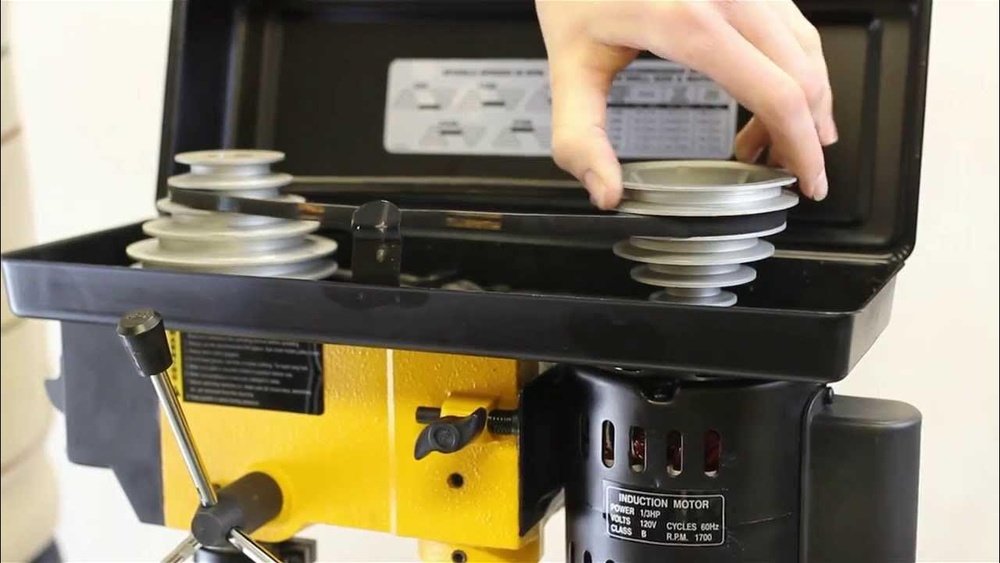
The speed of a Craftsman drill press depends on several key parts. The motor powers the drill press and controls the main speed range. The pulley system, which includes belts and pulleys, changes the speed by shifting belt positions. The spindle is the rotating shaft that holds the drill bit. Speed adjustments happen by moving belts on different pulleys. The speed control lever or knob also helps fine-tune the speed on some models.
Standard Speed Ranges
Craftsman drill presses usually have a speed range between 200 and 3,000 RPM. Low speeds around 200-500 RPM are good for drilling large holes or working with metal. Medium speeds between 500 and 1,500 RPM fit general woodworking tasks. High speeds above 1,500 RPM work well for small drill bits and soft materials. Adjust the speed based on drill bit size and material to get clean holes and avoid damage.
Credit: www.youtube.com
Tools Needed For Speed Adjustment
Adjusting the speed on a Craftsman drill press requires specific tools to ensure the process is smooth and safe. Having the right tools ready helps avoid mistakes and saves time. Knowing what you need makes the task easier and more efficient.
Required Wrenches And Accessories
You need a set of wrenches to loosen and tighten bolts on the drill press. Most Craftsman models use standard wrenches or Allen keys. These tools help you adjust the belt tension or move the pulleys.
Check your drill press manual for the exact sizes of wrenches needed. A screwdriver might be necessary to open any covers protecting the belt and pulleys. Also, a flashlight can help you see inside tight spaces clearly.
Safety Gear To Wear
Wear safety glasses to protect your eyes from dust or debris. Gloves can protect your hands while handling sharp parts or tools. Avoid loose clothing or jewelry that might get caught in moving parts.
Always unplug the drill press before adjusting speed. This prevents accidental starts and keeps you safe during the process.
Step-by-step Speed Adjustment
Adjusting the speed on a Craftsman drill press is simple and important. It helps match the drill’s speed to the material you work on. This step-by-step guide shows how to adjust speed safely and correctly.
Power Off And Unplug Drill Press
Always start by turning off the drill press. Unplug it from the power source. This prevents accidents and keeps you safe while working on the machine.
Accessing The Belt And Pulley System
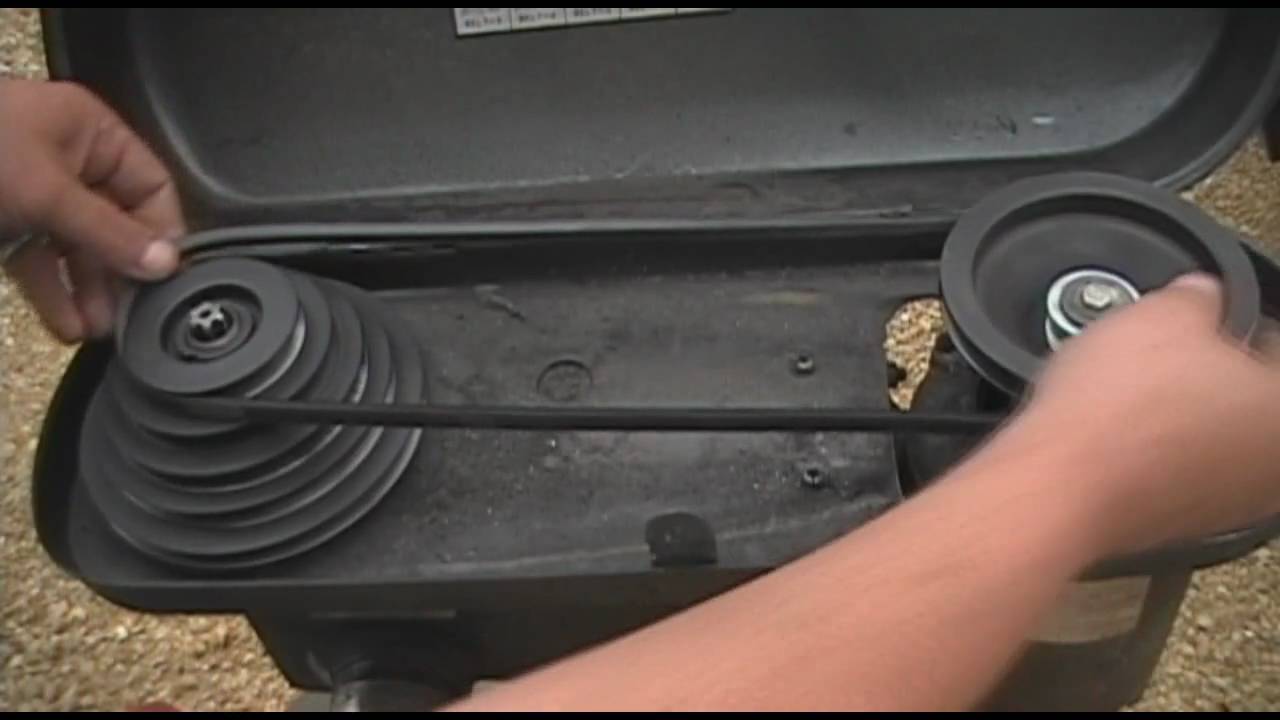
Open the drill press cover to reach the belt and pulley system. Usually, the cover lifts up or slides off easily. This area controls the drill speed by changing belt positions.
Changing Belt Position For Desired Speed
Loosen the motor mount to release belt tension. Move the belt to a different pulley step. Smaller pulleys increase speed, larger pulleys reduce it. Choose the position that fits your drilling needs.
Securing The Belt And Testing
Tighten the motor mount to secure the belt firmly. Close the cover to protect the belt and pulleys. Plug in the drill press and turn it on. Check if the speed matches your requirement before starting work.

Credit: www.reddit.com
Tips For Optimal Speed Selection
Choosing the right speed on a Craftsman drill press helps you work better and safer. Adjusting speed affects the quality of your cuts and the life of your drill bits. Follow these tips to pick the best speed for your project.
Understanding how material and bit size influence speed can improve your results.
Material Types And Recommended Speeds
Soft materials like wood need higher speeds for clean cuts. Hard materials like metal require slower speeds to avoid damage. For example, drilling hardwood works well at medium speeds. Steel needs low speed with steady pressure. Match speed to material hardness to prevent bit wear.
Bit Size And Speed Relationship
Smaller drill bits spin faster to cut efficiently. Larger bits need slower speeds to reduce heat and wear. Using a high speed on big bits can break them. Adjust speed lower as bit diameter increases. This balance keeps your drill bits sharp longer.
Common Speed Adjustment Issues
Adjusting the speed on a Craftsman drill press can sometimes cause problems. These issues often stop the drill press from working well. Knowing common speed adjustment issues helps keep your tool running smoothly. Fixing these problems saves time and avoids damage.
Belt Slipping Solutions
Belt slipping is a frequent problem when changing speeds. It happens if the belt is loose or worn out. A slipping belt stops the drill press from running at the right speed. Check the belt tension first. Tighten it if it feels loose. If the belt looks cracked or shiny, replace it. Clean the pulleys to remove dust or grease. This keeps the belt gripping well. Belt slipping reduces drill power and accuracy.
Pulley Wear And Maintenance
Pulleys wear down after long use. Worn pulleys cause the belt to slip or jump off. Inspect the pulleys regularly for signs of damage. Look for grooves or rough spots on the pulley surfaces. Use a fine sandpaper to smooth small rough areas. Replace pulleys if they are badly worn. Lubricate moving parts to reduce wear. Proper pulley maintenance ensures smooth speed changes and better drill press performance.
Credit: ncwoodworker.net
Maintaining Your Drill Press
Maintaining your Craftsman drill press keeps it running smoothly and safely. A well-maintained drill press lasts longer and works more efficiently. Simple care steps prevent damage and costly repairs. Regular attention to cleaning and lubrication helps the machine perform at its best.
Regular Cleaning Routines
Dust and metal shavings build up quickly on the drill press. Wipe down all surfaces after each use. Clean the table, spindle, and base with a soft cloth. Use a brush to remove debris from tight spots. Keeping the drill press clean stops rust and wear. Avoid using water, which can cause corrosion.
Lubrication Points
Lubricate moving parts to reduce friction and wear. Focus on the spindle, quill, and pulleys. Use light machine oil or grease recommended by Craftsman. Apply oil sparingly to avoid attracting dust. Regular lubrication ensures smooth speed changes and quiet operation. Check the manual for the correct intervals and oil types.
Frequently Asked Questions
How Do I Change Speed On A Craftsman Drill Press?
To change speed, unplug the drill press first. Open the belt cover, adjust the belt on the pulleys to desired speed, then close the cover and plug it back in. This changes the spindle speed effectively and safely.
What Pulley Positions Control Craftsman Drill Press Speed?
The pulley positions on the step pulleys control speed. Moving the belt to larger or smaller pulley diameters changes the drill press speed from low to high.
Can I Adjust Speed While Drill Press Is Running?
No, always turn off and unplug the drill press before adjusting speed. Changing speed while running can cause injury or damage to the machine.
Why Is Adjusting Speed Important On A Drill Press?
Adjusting speed ensures the right RPM for different materials. Proper speed improves drilling accuracy, reduces wear on bits, and prevents overheating during use.
Conclusion
Adjusting the speed on your Craftsman drill press is simple and important. Correct speed helps you work safely and get good results. Use the belt and pulley system to change speeds easily. Always check the drill press manual for guidance.
Practice adjusting the speed a few times to feel confident. This small step saves time and improves your projects. Keep your drill press clean and well-maintained for best performance. Enjoy your work with the right speed every time.
