


Air heat pumps are an energy-efficient way to heat and cool your home. They work by transferring heat between the outdoors and indoors using a refrigerant cycle. This guide explains the science behind air heat pumps and how they provide reliable climate control.
Key Takeaways
- Heat transfer principle: Air heat pumps move heat from one place to another, rather than generating heat directly.
- Refrigerant cycle: They use a special fluid that changes states to absorb or release heat efficiently.
- Heating mode: The system extracts heat from outside air and transfers it inside for warmth.
- Cooling mode: The process reverses, removing heat from indoor air to cool your home.
- Efficiency factors: Performance depends on outdoor temperature, system size, and proper installation.
- Maintenance tip: Regular checks and cleaning ensure optimal operation and longevity of the heat pump.
- Environmental impact: Air heat pumps are eco-friendly, reducing carbon footprint compared to traditional heating systems.
Introduction
If you’re curious about how air heat pumps work, you’re in the right place. These devices are becoming increasingly popular because they provide efficient heating and cooling using the ambient air. In this guide, we’ll explain the science behind air heat pumps, how they operate in different modes, and tips for getting the best performance from your system. Whether you’re considering installing one or just want to understand the technology better, you’ll find clear, friendly explanations here.
What Is an Air Heat Pump?
An air heat pump is a device that transfers heat between your home and the outside environment. Unlike traditional heaters that generate heat through combustion or electric resistance, heat pumps move existing heat. They can heat your home during cold months and cool it during warm months, making them a versatile and energy-efficient choice.
Visual guide about How to Air Heat Pumps Work
Image source: cloverleafmaintenance.co.uk
The core idea is based on the principle of heat transfer, which is more efficient than creating heat from scratch. By using a refrigeration cycle, air heat pumps can operate effectively even in relatively cold weather, though their efficiency drops as outdoor temperatures plummet.
How Do Air Heat Pumps Work? Step-by-Step
Step 1: Understanding the Refrigeration Cycle
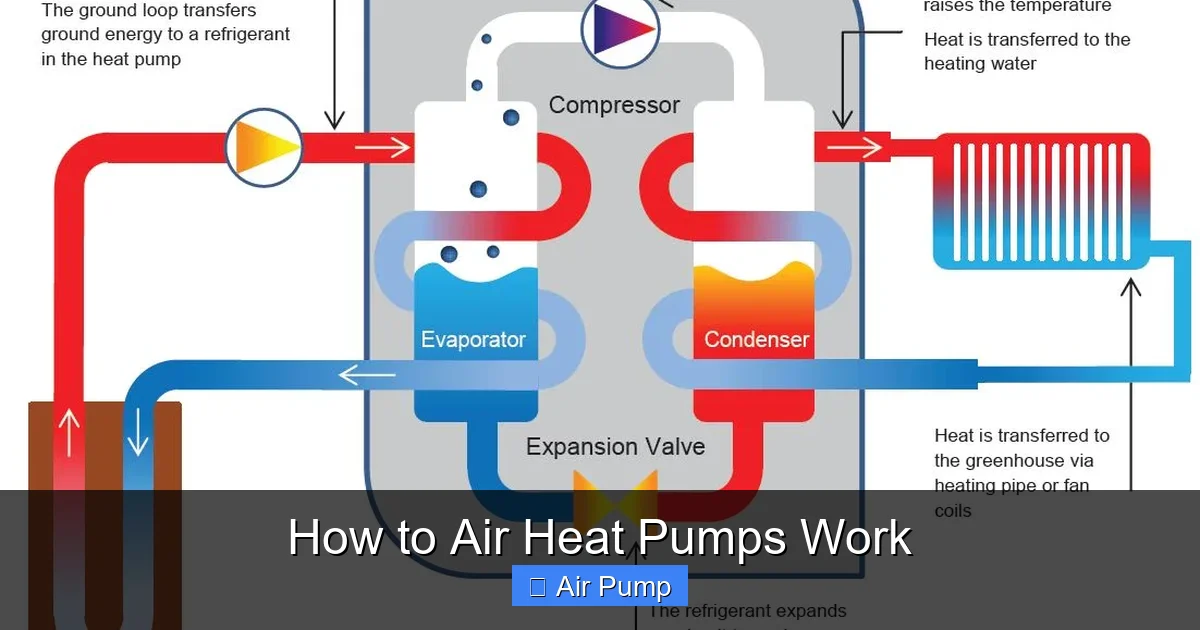
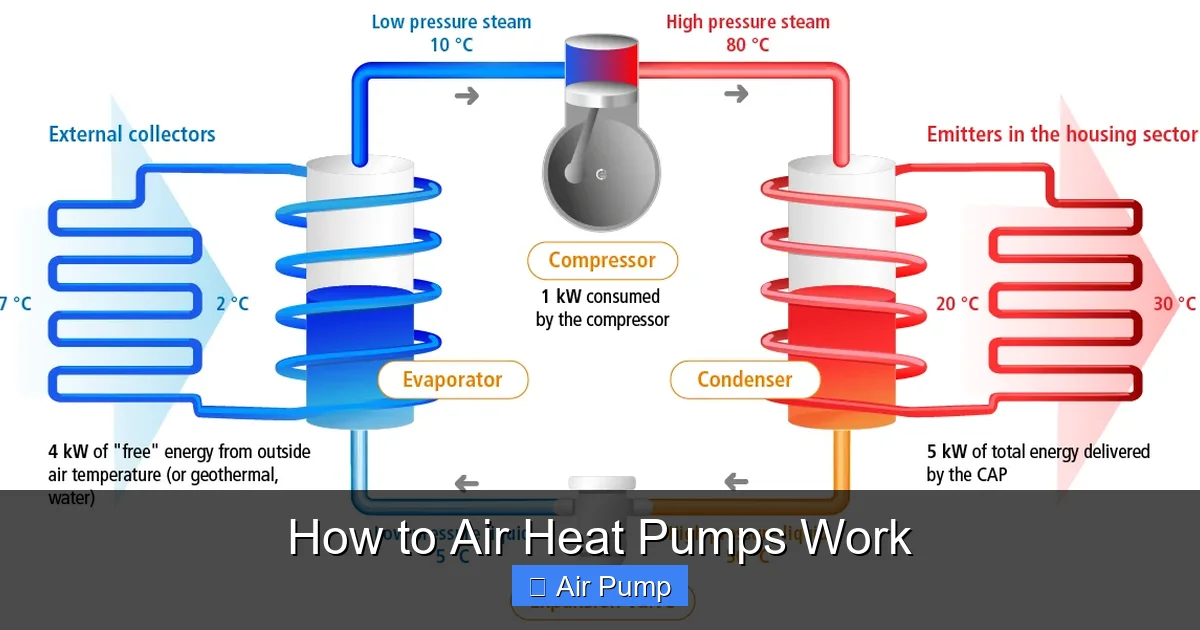
The key to an air heat pump’s operation is the refrigeration cycle. This cycle involves a refrigerant fluid that absorbs and releases heat as it changes from liquid to gas and back again. The main components are the evaporator, compressor, condenser, and expansion valve.
Visual guide about How to Air Heat Pumps Work
Image source: 1.bp.blogspot.com
Step 2: Heating Mode – Extracting Heat from Outside Air
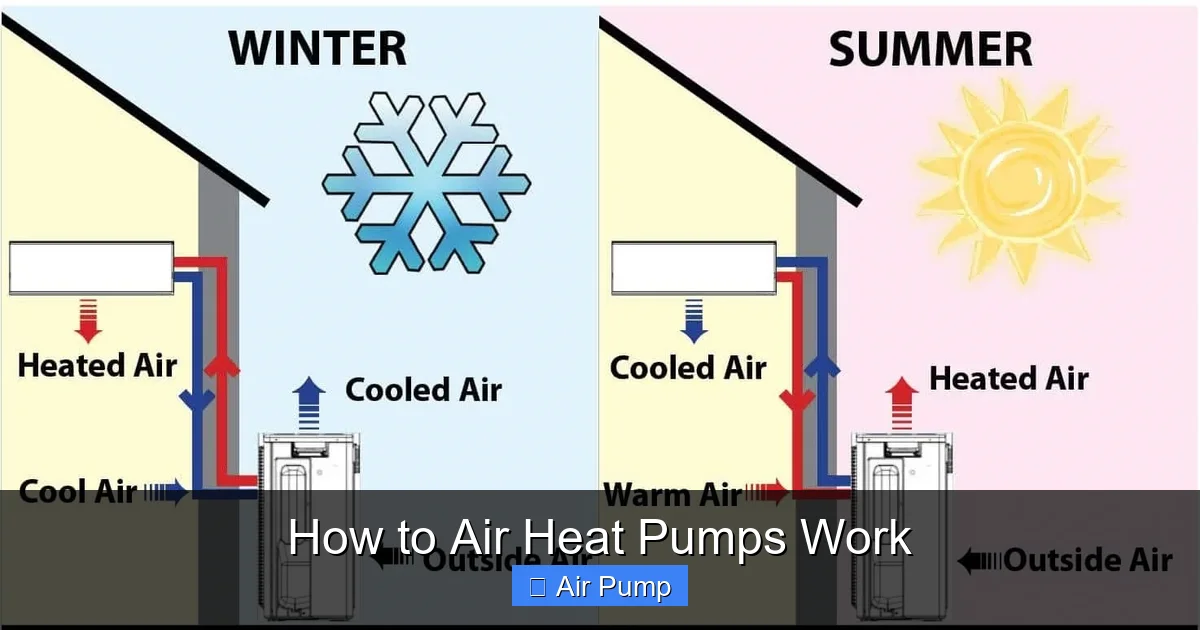
In heating mode, the system works like an air conditioner running in reverse. Here’s what happens:
- Evaporator coil: The outdoor coil acts as the evaporator. The refrigerant absorbs heat from the cold outdoor air, even at low temperatures.
- Refrigerant absorption: The refrigerant, now warmed and vaporized, is compressed by the compressor, increasing its temperature further.
- Condenser coil: The hot refrigerant flows to the indoor coil (the condenser), releasing heat into your home’s ductwork and warming the indoor air.
- Expansion valve: The refrigerant then cools and returns to the outdoor coil to repeat the cycle.
Step 3: Cooling Mode – Reversing the Cycle
When cooling is needed, the system reverses the refrigerant flow via a component called a reversing valve:
- The indoor coil becomes the evaporator, removing heat from indoor air.
- The outdoor coil becomes the condenser, releasing indoor heat outside.
This reversible cycle allows the same hardware to provide both heating and cooling functions efficiently.
Practical Tips for Optimal Performance
- Proper installation: Ensure your heat pump is installed by a professional to maximize efficiency.
- Regular maintenance: Clean or replace filters, keep coils free of debris, and schedule annual inspections.
- Set the thermostat wisely: Keep your thermostat at an energy-saving temperature and avoid frequent adjustments.
- Improve insulation: Proper insulation reduces workload and enhances efficiency.
- Use programmable settings: Adjust settings based on your schedule to save energy.
Understanding Limitations and Troubleshooting
While air heat pumps are efficient, they have limitations in extremely cold weather. Below 0°F (-18°C), their efficiency drops, and supplemental heating may be needed.
Common issues include:
- Reduced heating capacity: Due to low outdoor temperatures, the system may struggle to heat effectively.
- Ice buildup: Frost can accumulate on outdoor coils, hindering heat transfer. Regular defrost cycles address this issue.
- Electrical problems: Faulty wiring or sensors can impair operation.
Troubleshooting Tips
- If your system isn’t heating, check if the thermostat is set correctly.
- Ensure outdoor coils are clean and free of obstructions.
- Inspect for ice buildup; if present, ensure the defrost cycle is functioning properly.
- Listen for unusual noises, which may indicate mechanical issues.
- Contact a professional if problems persist or if you’re unsure about maintenance tasks.
- Choose the right size unit for your home to maximize efficiency.
- Consider professional installation for optimal performance.
- Stay current with maintenance to extend your system’s lifespan.
Conclusion
Air heat pumps are a smart, eco-friendly choice for home climate control. They work by transferring heat from the outside air into your home during winter and removing indoor heat during summer. Understanding their basic operation helps you appreciate their efficiency and guides you in proper maintenance. With regular care and appropriate settings, an air heat pump can provide reliable comfort year-round, all while reducing your energy bills and environmental impact.
