


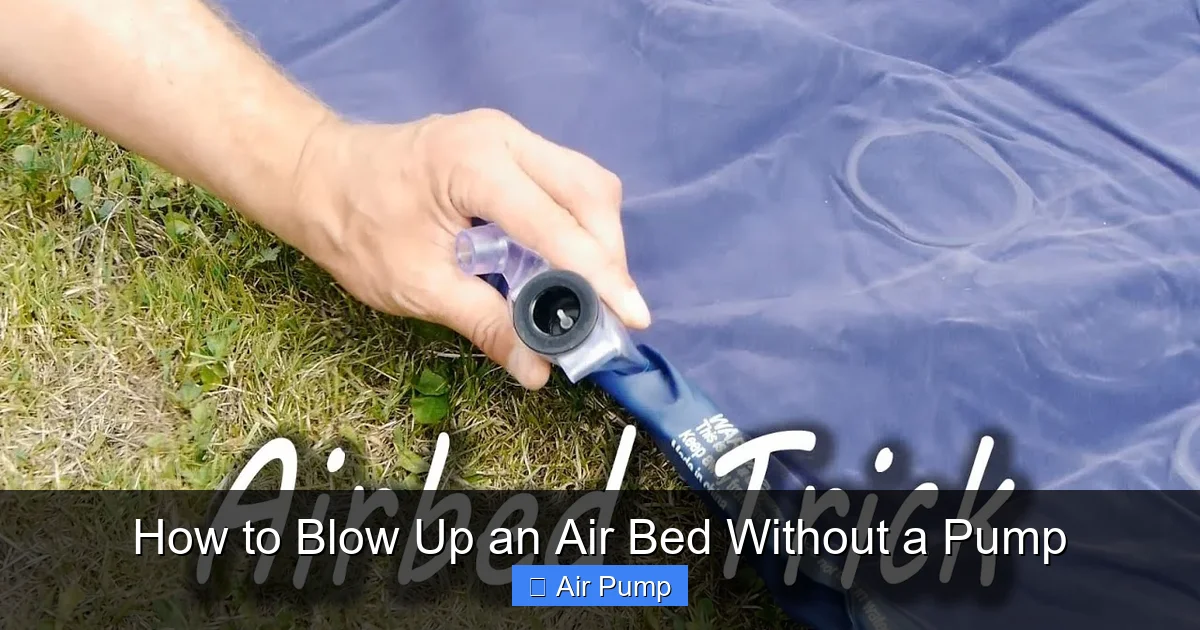
Need to inflate an air bed but don’t have a pump? Don’t worry. This guide will teach you easy and effective ways to blow up an air bed without a pump, using everyday items and simple techniques. Get ready to enjoy a comfortable night’s sleep without any hassle!
Key Takeaways
- Method 1: Blowing by Mouth: The simplest way involves manually blowing air into the mattress, but it may take time and effort.
- Method 2: Using Household Items: Items like plastic bags, vacuum cleaners, or hairdryers can help inflate the bed efficiently.
- Safety First: Always be cautious to avoid over-inflating or damaging the mattress.
- Preparation Tips: Clear the area and check the air bed for leaks before inflating.
- Alternative Techniques: Using a combination of methods can save time and effort.
- Troubleshooting: If the bed isn’t inflating properly, check for leaks or blockages and try again.
Introduction
Imagine you’re camping, staying at a friend’s house, or simply forgot your air pump. No matter the reason, inflating an air bed without a pump can seem challenging. But don’t worry — with a few simple tricks and tools, you can get your air mattress inflated quickly and easily. In this guide, we’ll explore several effective methods to blow up an air bed without a pump, emphasizing safety, efficiency, and practicality. Whether you’re in a pinch or just want to avoid using a manual pump, this guide will equip you with all the knowledge you need.
Method 1: Blowing by Mouth
Step 1: Prepare the Air Bed
Start by laying the air bed flat on a clean, smooth surface. Check for any leaks or tears that might cause air to escape during inflation. If you find any, seal small leaks with duct tape or a similar patch before inflating.

Visual guide about How to Blow Up an Air Bed Without a Pump
Image source: i.pinimg.com
Step 2: Find the Valve
Locate the air inlet valve on your mattress. Remove any dust or debris to ensure a good seal when you blow air in. Open the valve wide enough to allow air to enter freely.
Step 3: Begin Blowing
Take a deep breath and blow steadily into the valve. Use your cheeks rather than just your mouth for sustained airflow. Remember, this method may be slow, especially for larger mattresses.
Practical Tips:
- Take breaks to avoid dizziness or fatigue.
- Use your hands to hold the valve open for better airflow.
- If you feel lightheaded, pause and breathe normally before resuming.
Method 2: Using Household Items to Inflate
Option 1: Using a Plastic Bag or Balloon
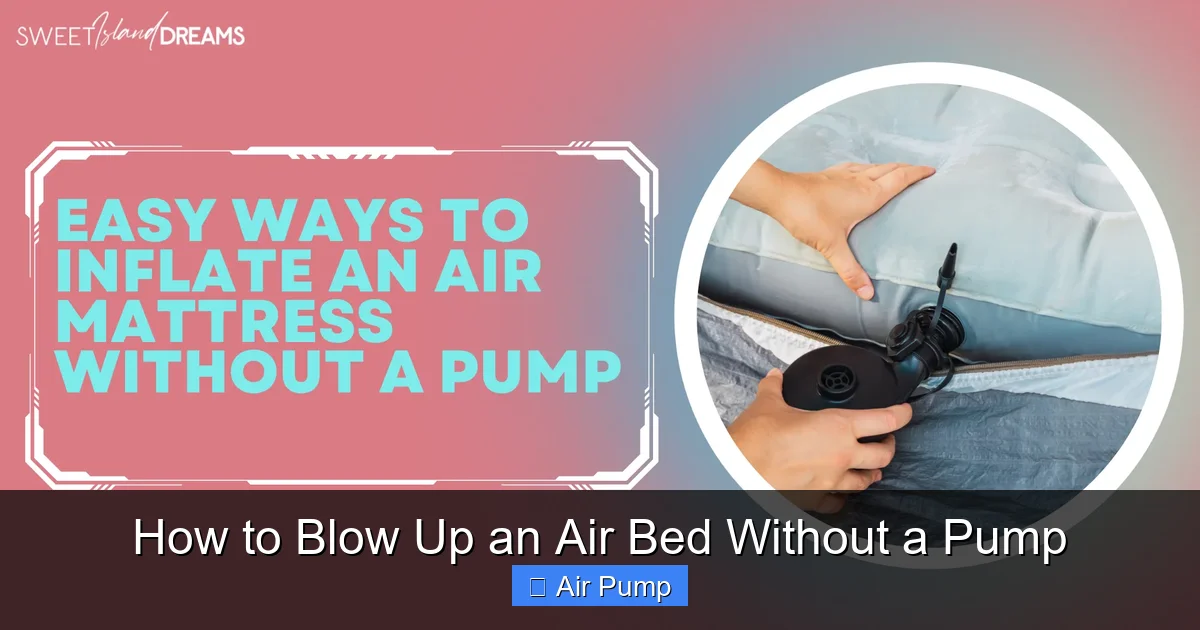
This method involves trapping air in a plastic bag or balloon, then squeezing it into the mattress.
Visual guide about How to Blow Up an Air Bed Without a Pump
Image source: sweetislanddreams.com
- Fill a large plastic bag or balloon with air by blowing into it or using your mouth.
- Seal the bag or balloon tightly to prevent air from escaping.
- Place the opening of the bag or balloon over the mattress valve.
- Squeeze or press the bag to force air into the mattress.
Option 2: Using a Vacuum Cleaner (Without the Hose)
While vacuum cleaners are designed to suck air out, you can use the exhaust function to blow air into the mattress.
- Set your vacuum cleaner to the exhaust setting.
- Attach a makeshift adapter (like a rolled-up towel or cloth) to the hose to create a seal.
- Place the hose end over the mattress valve.
- Turn on the vacuum to blow air into the mattress.
Note: Be cautious not to over-inflate or damage the mattress. Check for leaks regularly.
Option 3: Using a Hairdryer
Although typically used for drying, a hairdryer on the cool or low setting can help inflate an air bed.
- Set the hairdryer to the coolest setting to prevent damage.
- Hold the nozzle close to the valve, ensuring a good seal with your hand or a cloth.
- Turn on the hairdryer and let it blow air into the mattress.
- Keep checking the firmness and stop once the bed is adequately inflated.
Method 3: Creating a DIY Inflator Using a Compressed Air Source
Using a Bicycle Pump or Compressed Air Canisters
If you have access to a bicycle pump or compressed air canisters, you can use them to inflate your air bed without a dedicated pump.
- Attach the pump or nozzle from the compressed air canister to the mattress valve.
- Make sure the connection is tight to prevent air leaks.
- Slowly inflate, checking firmness frequently.
Note: Always follow safety instructions when handling compressed air to avoid injury.
Additional Tips for Successful Inflation
- Check for Leaks: Before inflation, inspect your mattress for any holes or tears. Seal small leaks with repair patches or duct tape.
- Work in a Clean Area: Avoid dirt or debris that can clog the valve or damage the mattress.
- Inflate Gradually: Don’t over-inflate, as it can damage the mattress. Inflate slowly and check firmness regularly.
- Use a Combination of Methods: Combining mouth blowing with household tools can save time and effort.
- Be Patient: Manual methods can take longer. Take breaks to avoid fatigue and dizziness.
Troubleshooting Common Issues
- Air Not Staying in the Mattress: Check for leaks and seal them. Also, ensure the valve is closed tightly after inflation.
- Difficulty Inflating: Use a larger or more efficient method, like a household vacuum or balloon, to help.
- Slow Inflation: Take your time, and consider combining methods for quicker results.
- Over-inflation: Stop inflating once the mattress feels firm but not tight or stretched.
Conclusion
Inflating an air bed without a pump may seem daunting at first, but with patience and the right techniques, it can be done easily. Whether you choose to blow by mouth, use household items, or create a DIY inflator, these methods are practical and effective. Remember to check for leaks, work gradually, and enjoy a comfortable night’s sleep. With a little ingenuity, you’ll have your air mattress fully inflated in no time!
