


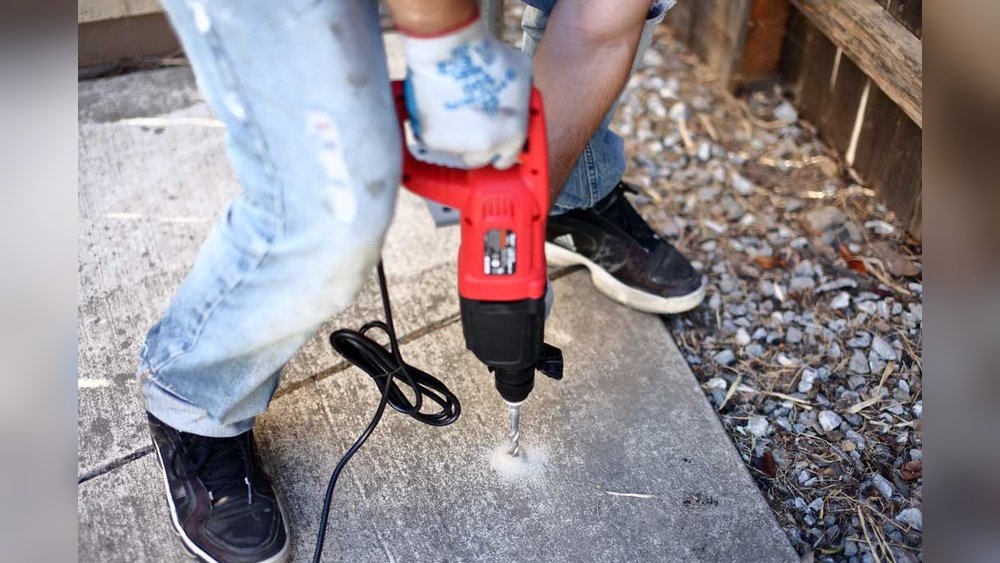
Breaking concrete can feel like a tough job, but with the right tool and a little know-how, you can make it much easier. If you have a hammer drill, you already have a powerful ally in your hands.
But do you know how to use it effectively to break concrete without wasting time or effort? You’ll discover simple steps and expert tips to help you break concrete quickly and safely. Whether you’re tackling a small DIY project or a bigger job, this guide will give you the confidence and skills you need to get the job done right.
Keep reading, and you’ll soon see how straightforward breaking concrete can be with your hammer drill.
Credit: www.homedepot.com
Choosing The Right Hammer Drill
Choosing the right hammer drill is key to breaking concrete safely and efficiently. The right tool saves time and effort. It also prevents damage to the drill and the material. Knowing what type and size of hammer drill suits your task helps you work better. Understanding drill bits is also important. Each type fits different jobs and materials.
Types Of Hammer Drills
There are two main types of hammer drills: rotary hammer drills and standard hammer drills. Rotary hammer drills are stronger. They use a piston to create powerful hammering action. Standard hammer drills combine rotation and hammering but are less powerful. Choose rotary hammer drills for large, tough concrete jobs. Standard hammer drills suit small, light tasks.
Power And Size Considerations
Power is measured in amps or volts. Higher power means easier drilling through hard concrete. Size affects control and comfort. Large drills are heavy but stronger. Smaller drills are easier to handle but less powerful. Pick a drill size that feels comfortable for you. Match power to the concrete thickness you will break.
Essential Drill Bits
Drill bits come in many shapes and sizes. Use masonry bits for concrete work. Carbide-tipped bits last longer and break concrete better. SDS bits fit rotary hammer drills and offer better grip. Choose bit size based on hole diameter needed. Always pick high-quality bits to avoid breakage and improve results.
Preparing The Work Area
Preparing the work area is the first step before breaking concrete with a hammer drill. A clean, safe space helps you work faster and avoid accidents. Organizing the area also protects your tools and materials. Taking time to prepare ensures a smooth and efficient job.
Safety Gear To Wear
Wear safety glasses to protect your eyes from dust and chips. Use ear protection to guard against loud noise. Gloves keep your hands safe from sharp edges and vibration. Wear sturdy shoes with good grip. A dust mask helps you breathe clean air while drilling.
Clearing And Marking The Surface
Remove loose objects and debris from the work area. Sweep the surface to keep dust low. Use chalk or a marker to draw lines on the concrete. Mark the spots where you want to drill or break. Clear markings guide your work and improve accuracy.
Securing The Concrete
Make sure the concrete piece is stable before starting. Use clamps or heavy weights to hold it in place. A steady surface stops the concrete from moving during drilling. This prevents damage to the drill and reduces risk of injury. Secure concrete helps you work safely and effectively.
Setting Up The Drill
Setting up your hammer drill properly is the first step to breaking concrete safely and effectively. This process ensures the tool works well and lasts longer. Taking time to prepare the drill reduces mistakes and makes the job easier.
Follow these simple steps to get your hammer drill ready for the task.
Attaching The Correct Bit
Choose a chisel bit designed for concrete. It should fit tightly in the drill chuck. Open the chuck by turning it counterclockwise. Insert the bit fully, then tighten the chuck by turning clockwise. Check that the bit is secure before starting.
Adjusting Drill Settings
Set the drill to hammer mode. This mode combines rotation and hammering action. Use a low speed setting to begin. Adjust the power based on the concrete’s hardness. A proper setting prevents bit damage and reduces user fatigue.
Testing The Drill
Test the drill on a small piece of concrete. Hold the drill firmly and start at low speed. Check if the bit moves smoothly and breaks the surface. Stop if you hear unusual noises or feel excessive vibration. Adjust settings or reattach the bit as needed.

Credit: www.youtube.com
Techniques For Breaking Concrete
Breaking concrete with a hammer drill requires specific techniques. These methods help you work safely and efficiently. Using the right approach reduces effort and damage to tools. The following techniques guide you through the process step-by-step.
Each technique focuses on control and precision. They make the task easier and less tiring. Let’s explore how to start and maintain good practice while breaking concrete.
Starting With Pilot Holes
Create small holes to guide the drill bit. Pilot holes weaken the concrete before breaking. Drill several holes along the crack or line.
This step reduces pressure on the drill. It also helps control the break pattern. Pilot holes make the concrete easier to break apart.
Using Controlled Pressure
Apply steady and firm pressure on the hammer drill. Avoid pushing too hard; this can damage the bit. Let the drill do most of the work.
Controlled pressure improves accuracy and tool life. It prevents the drill from slipping or stalling. Keep your grip steady and focused on the spot.
Working In Sections
Break the concrete in small, manageable sections. This method reduces fatigue and avoids cracks spreading unevenly. Focus on one area before moving to the next.
Working in sections also helps clear debris regularly. Clean workspaces improve safety and visibility. Take breaks to check progress and adjust your technique.
Troubleshooting Common Issues
Breaking concrete with a hammer drill can be tough. Problems may slow down your work. Knowing how to fix common issues helps you finish faster. This section covers three usual problems and how to handle them.
Drill Overheating
Drills get hot after long use. Heat can damage the motor and parts. Stop drilling if your tool feels very hot. Let it cool for 15 to 20 minutes. Work in short bursts to keep the drill cool. Make sure vents are clean and not blocked. Use a fan or shade to reduce heat during hot days.
Bit Wear And Replacement
Drill bits wear out fast on concrete. A dull bit makes drilling harder and slower. Check your bit often for cracks or dull edges. Replace the bit if it looks worn or breaks. Use the right type of bit for concrete. Keep extra bits handy to avoid delays during work.
Dealing With Hard Spots
Concrete sometimes has hard spots that resist drilling. These spots can stop progress and wear your tool. Apply steady, light pressure instead of forcing the drill. Change the bit angle slightly to find a weaker spot. Use water to cool the bit and reduce dust. For very hard spots, try a hammer or chisel after drilling around it.
Post-demolition Cleanup
After breaking concrete with a hammer drill, cleanup is important. It keeps the worksite safe and ready for next steps. Proper cleanup also protects your tools and helps spot any damage early.
Removing Debris Safely
Wear gloves and safety glasses before handling debris. Use a shovel or broom to collect large pieces. Dispose of broken concrete in a designated area. Avoid lifting heavy chunks alone. Clear dust with a vacuum or damp cloth to reduce breathing risks.
Inspecting The Area
Check the ground for leftover sharp pieces or nails. Look for cracks or damage to nearby surfaces. Ensure no tools or materials are left behind. Confirm the space is safe for other work or foot traffic. A clean, clear area prevents accidents and delays.
Tool Maintenance
Turn off and unplug the hammer drill before cleaning. Remove dust and debris from the drill bit and vents. Check for any wear or damage on the drill parts. Apply light oil to moving parts if needed. Store tools in a dry, safe place to keep them ready.

Credit: www.youtube.com
Frequently Asked Questions
How Effective Is A Hammer Drill For Breaking Concrete?
A hammer drill combines rotation and hammering action, making it effective for breaking small to medium concrete areas. It speeds up the demolition process compared to regular drills. However, for very thick or reinforced concrete, heavier tools like jackhammers may be required.
What Safety Gear Is Needed When Using A Hammer Drill?
Always wear safety goggles, gloves, ear protection, and a dust mask. Concrete dust and flying debris can cause injuries. Proper footwear and long sleeves protect your skin. Safety precautions ensure a secure work environment while breaking concrete with a hammer drill.
Can A Hammer Drill Break Reinforced Concrete?
A hammer drill can break light reinforced concrete but struggles with heavy rebar. For thick, heavily reinforced concrete, use specialized demolition tools like rotary hammers or jackhammers. A hammer drill is best suited for less dense, simpler concrete jobs.
How Do You Prepare Concrete Before Using A Hammer Drill?
Clear the work area and mark the breaking points on the concrete surface. Remove loose debris and ensure the drill bit is suitable for concrete. Secure the workpiece if possible. Proper preparation improves efficiency and safety during the breaking process.
Conclusion
Breaking concrete with a hammer drill takes patience and care. Use the right drill bit and steady pressure for best results. Always wear safety gear to protect yourself. Work in small sections to avoid cracks spreading. Take breaks if the drill gets too hot.
Clean the area after breaking to remove dust and debris. Following these steps helps you break concrete safely and effectively. Now, you can handle your concrete project with confidence and ease.
