


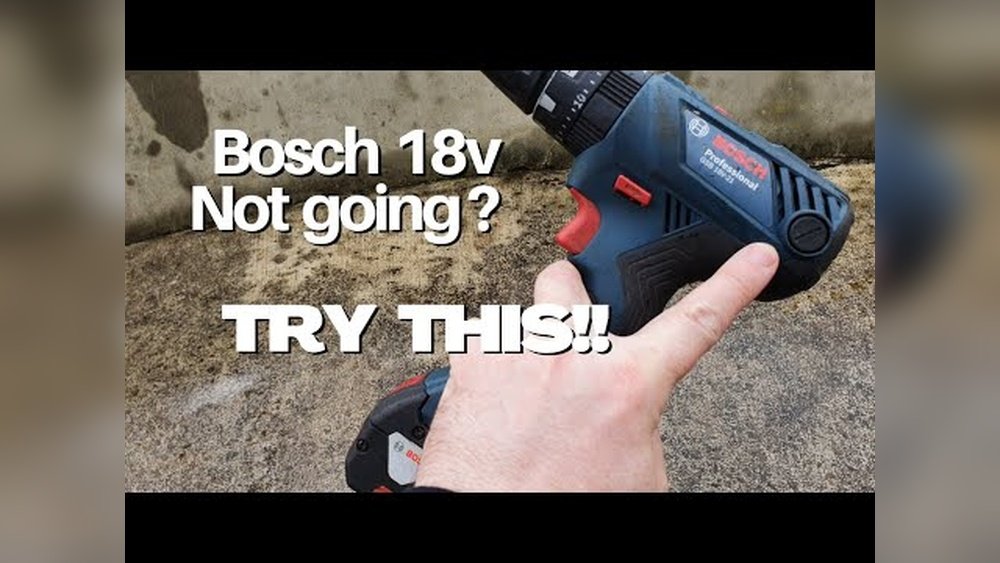
If your Bosch cordless drill isn’t working as smoothly as before, the problem might be worn-out brushes. Knowing how to change brushes on your Bosch cordless drill can save you time and money, keeping your tool running like new.
In this guide, you’ll learn simple, step-by-step instructions to replace the brushes quickly and safely. By the end, you’ll have the confidence to fix your drill yourself and avoid costly repairs. Ready to get your drill back to full power?
Let’s dive in!

Credit: www.topdealsonline.shop
Bosch Drill Brushes Basics
Understanding Bosch drill brushes is key to keeping your cordless drill in top shape. These small parts play a big role in your drill’s performance. Knowing the basics helps you maintain and replace them easily. This section explains what drill brushes are and why they need care.
What Are Drill Brushes
Drill brushes are small carbon blocks inside the drill’s motor. They touch the spinning armature to conduct electricity. This contact powers the motor to turn the drill bit. Over time, brushes wear down due to friction and use. They need replacement to keep the motor working well.
Why Brush Maintenance Matters
Worn brushes cause poor drill performance and motor damage. If brushes are not replaced, the motor may stop working. Regular checks prevent unexpected drill failures. Good brush care extends the drill’s life. It also saves money on repairs or new tools.
Tools You’ll Need
Changing the brushes on your Bosch cordless drill requires specific tools. Having the right tools makes the job easier and safer. Preparing these tools before you start saves time and prevents frustration.
Essential Tools For Brush Replacement
You need a small screwdriver, usually a Phillips or flathead. This helps open the drill casing carefully. A pair of needle-nose pliers is useful for pulling out old brushes. A replacement brush set made for Bosch drills is also necessary. Keep a clean cloth nearby to wipe dust and dirt from the parts.
Safety Gear Recommendations
Wear safety glasses to protect your eyes from dust and small debris. Use gloves to prevent cuts and improve your grip. Work in a well-lit area to see all parts clearly. Keep your workspace clean to avoid accidents. These safety steps protect you during brush replacement.
Preparing The Drill
Preparing the Bosch cordless drill properly is key to changing the brushes safely. This step keeps you safe and protects the drill from damage. Taking time to prepare makes the process smoother and quicker.
Power Off And Unplug
Always turn off the drill before starting. Remove the battery pack to cut all power. This prevents accidental starts that can cause injury. Check the drill twice to be sure it is off and unplugged.
Accessing The Brush Compartment
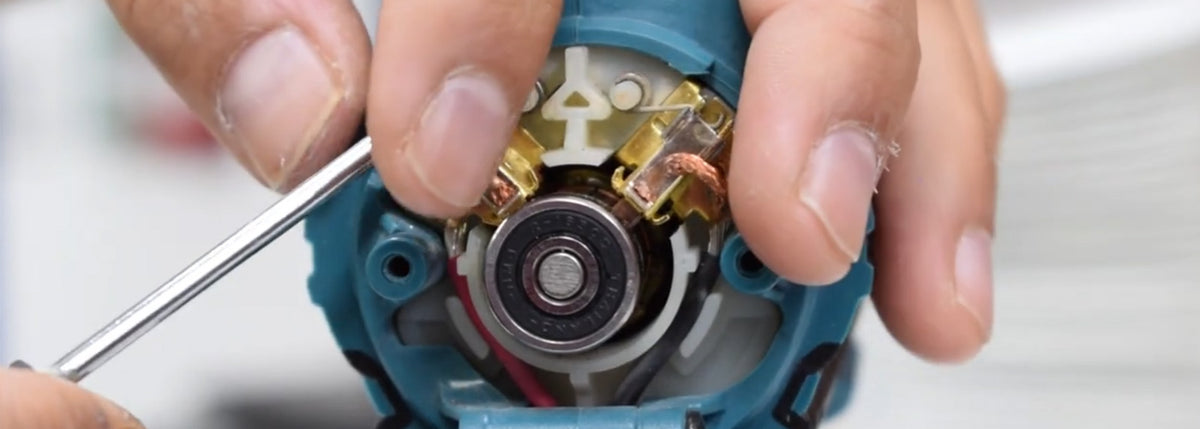
Locate the brush compartment on the drill’s body. It is usually near the motor area. Use the correct screwdriver to open the compartment cover. Keep the screws safe for reassembly. Be gentle to avoid breaking plastic parts.
Credit: www.topdealsonline.shop
Removing Old Brushes
Removing old brushes from your Bosch cordless drill is a key step to keep it working well. Brushes wear out over time and need replacement. This process is simple if you follow clear steps. Proper removal avoids damage to the drill’s motor.
Locating The Brushes
First, find the brushes inside the drill. They are near the motor, usually under small caps on each side. Look for round or square covers with slots for a flat screwdriver. Sometimes you must remove the drill’s back cover to see them clearly. Handle the drill carefully to avoid losing small parts.
Steps To Extract Brushes
Use a flat screwdriver to gently turn the brush caps counterclockwise. They should unscrew easily. Pull out the old brushes slowly. They may have springs attached; keep these springs safe for reuse. Check the brush holders for dirt or dust and clean if needed. Avoid pulling the wires hard to prevent damage. Set the old brushes aside before fitting the new ones.
Installing New Brushes
Installing new brushes on your Bosch cordless drill keeps it running smoothly. Worn brushes cause poor performance and can damage the motor. Replacing them is simple with the right parts and steps. Follow this guide to install new brushes correctly and extend your drill’s life.
Choosing Compatible Replacement Brushes
Select brushes made specifically for Bosch cordless drills. Check the model number on your drill to find the right parts. Using the wrong brushes can cause poor contact and motor damage. Buy from trusted suppliers or Bosch stores to ensure quality. Confirm the brush size and shape match the original parts exactly.
Proper Installation Techniques
Remove the drill’s battery before starting for safety. Open the drill casing carefully to access the brushes. Take out old brushes gently, noting their position and wiring. Insert new brushes in the same way, ensuring they fit snugly. Reconnect any wires and secure the brush holders firmly. Close the casing and test the drill to check for smooth operation.
Testing The Drill Post-replacement
Testing the Bosch cordless drill after changing the brushes is important. This step ensures the drill works well and safely. You can spot any issues early and fix them before regular use. Follow simple checks to confirm the brushes make good contact and the drill runs smoothly.
Checking Brush Contact
First, check if the brushes touch the motor properly. Loose brushes can cause poor performance or sparks. Turn the drill on briefly and listen for unusual sounds. If the motor runs unevenly, the brushes might not fit well. Gently press the brushes to ensure firm contact with the motor’s commutator. Adjust if necessary to avoid damage and improve power flow.
Ensuring Smooth Drill Operation
Next, test the drill’s overall operation. Run the drill at different speeds and directions. The motor should start quickly without hesitation. Watch for any jerking or stalling. Smooth and steady rotation means the brushes work fine. If the drill heats up too fast or stops suddenly, check the brush installation again. Proper brush replacement leads to longer drill life and better results.
Troubleshooting Common Issues
Troubleshooting common issues with Bosch cordless drill brushes helps keep the tool working well. Problems with brushes can cause poor performance or damage. Understanding how to spot and fix these issues saves time and money.
Brushes wear out over time. They may also cause sparking or other electrical problems. Checking the brushes regularly helps avoid bigger problems.
Brush Sparking Problems
Sparking is normal to some degree. But heavy sparking means a problem. Dirty or worn brushes often cause this issue. Dust and dirt inside the drill can also increase sparking. Clean the brush area carefully. Replace brushes if sparking stays strong. Avoid using the drill until fixed to prevent damage.
Brush Wear Indicators
Bosch cordless drills have wear indicators on brushes. These show when brushes are too short to work well. Check the indicators every few months. Replace brushes once they reach the limit. Using worn brushes reduces drill power and can damage the motor. Keep spare brushes handy for quick changes.
Extending Brush Life
Extending the life of brushes on your Bosch cordless drill saves money and time. Brushes wear out from dirt, dust, and heavy use. Proper care keeps the drill running smoothly longer. Follow these simple steps to protect and extend your brush life.
Regular Cleaning Tips
Clean your drill regularly to remove dust and debris. Use a soft brush or cloth to wipe around the brushes. Avoid using water or harsh chemicals. Keep the ventilation slots clear to prevent dust buildup inside. This helps brushes stay cool and last longer.
Optimal Usage Practices
Use the drill at the right speed for each job. Avoid pushing too hard on the drill. Let the tool do the work to reduce brush wear. Take breaks during long tasks to prevent overheating. Store the drill in a dry, cool place to protect the brushes from damage.

Credit: www.youtube.com
Frequently Asked Questions
How Do I Know When To Change Bosch Drill Brushes?
Check for reduced power or unusual sparking. These signs indicate worn brushes needing replacement for efficient drill operation.
What Tools Are Needed To Change Bosch Drill Brushes?
You need a small screwdriver and replacement brushes specific to your Bosch drill model for safe and proper brush replacement.
Can I Replace Bosch Drill Brushes Myself?
Yes, replacing brushes is simple with proper tools. Follow safety steps and instructions for your Bosch model carefully.
How Often Should Bosch Cordless Drill Brushes Be Replaced?
Brushes typically last 6-12 months with regular use. Replace sooner if you notice performance issues or visible wear.
Conclusion
Changing brushes on your Bosch cordless drill is simple and quick. Follow the steps carefully and use the right tools. Keep your drill working smoothly by replacing worn brushes. Regular maintenance helps your drill last longer. Now, you can fix your drill yourself without extra help.
Try this guide next time your drill needs care. A small effort makes a big difference in performance. Stay confident and keep your tools ready for any job.
