


Looking for the best cordless drill can feel overwhelming with so many options out there. You want a tool that’s powerful, reliable, and easy to use—but how do you pick the right one for your needs?
This guide will help you cut through the noise and focus on what really matters. By the end, you’ll know exactly how to choose a cordless drill that fits your projects, your budget, and your skill level. Ready to find the perfect drill that makes your work easier and faster?
Let’s dive in.
Key Features To Consider
Choosing the best cordless drill means understanding its key features. These features affect how well the drill works and how easy it is to use. Knowing what to check helps you pick a drill that fits your needs and projects.
Power And Torque
Power shows how strong the drill is. Torque measures the force the drill applies. High torque is good for tough materials like wood and metal. Lower torque works fine for light tasks. Choose power and torque based on the jobs you plan to do.
Battery Life And Type
Battery life tells how long the drill runs before charging. Longer battery life means more work without breaks. Lithium-ion batteries last longer and charge faster. They are lighter too. Avoid drills with old battery types that lose power quickly.
Speed Settings
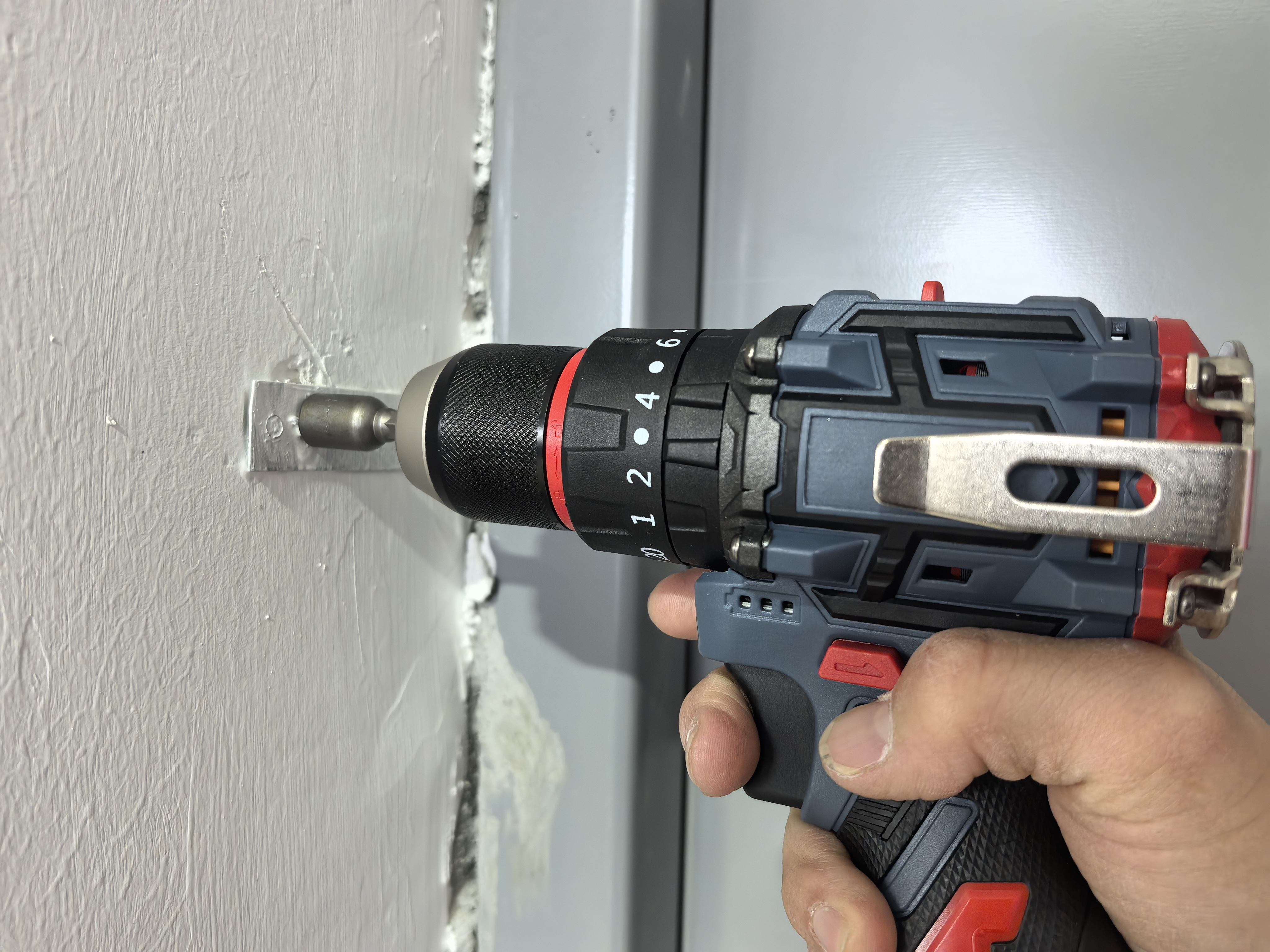
Speed settings control how fast the drill spins. Multiple speeds allow better control for different tasks. Slow speed is best for driving screws. High speed works well for drilling holes. Choose a drill with easy-to-change speed settings.
Chuck Size And Type
Chuck size shows what drill bit sizes the drill can hold. Common sizes are 3/8 inch and 1/2 inch. Keyless chucks let you change bits quickly without tools. Make sure the chuck fits the bits you need for your projects.
Types Of Cordless Drills
Choosing the right cordless drill starts with understanding the types available. Each type fits different tasks and work styles. Knowing what each drill offers helps you pick the best one for your needs.
Compact Drills
Compact drills are small and light. They work well in tight spaces and for quick jobs. These drills have less power but good battery life. Perfect for light household tasks and simple repairs.
Hammer Drills
Hammer drills add a pounding action to drilling. This helps drill through hard materials like concrete and brick. They are stronger and heavier than regular drills. Ideal for heavy-duty construction and outdoor work.
Right-angle Drills
Right-angle drills have a head that bends at 90 degrees. This design allows access to narrow and hard-to-reach places. They are handy for plumbing, electrical work, and cabinet installation. Not as powerful but very useful in tight spots.
Ergonomics And Design
Ergonomics and design play a big role in choosing the best cordless drill. These features affect how easy and comfortable the drill is to use. A drill that fits well in your hand and feels balanced can reduce fatigue. Good design also helps you work better and faster. Consider weight, grip, and portability for a great user experience.
Weight And Balance
The weight of a cordless drill affects how long you can use it. A heavy drill tires your hand quickly. Balance matters too. A well-balanced drill feels steady in your hand. It prevents strain and improves control. Choose a drill that feels light and balanced for smooth work.
Grip Comfort
The grip must feel comfortable and secure. Soft, rubberized handles reduce slipping. A good grip helps you hold the drill firmly. It lowers the risk of accidents. Test different grips to find one that suits your hand size. Comfort leads to better accuracy and less hand pain.
Portability
Portability means how easy it is to carry the drill. Compact drills are better for tight spaces. Smaller drills fit easily in toolboxes or bags. Battery size affects portability too. Choose a drill that is easy to move around and store. Portability helps you work in many places without hassle.
Credit: www.esseg.eu
Brand Reputation And Warranty
Brand reputation and warranty play a big role in choosing the best cordless drill. A trusted brand often means better quality and reliability. A good warranty gives peace of mind for repairs or replacements. Both factors help avoid problems later.
Popular Brands
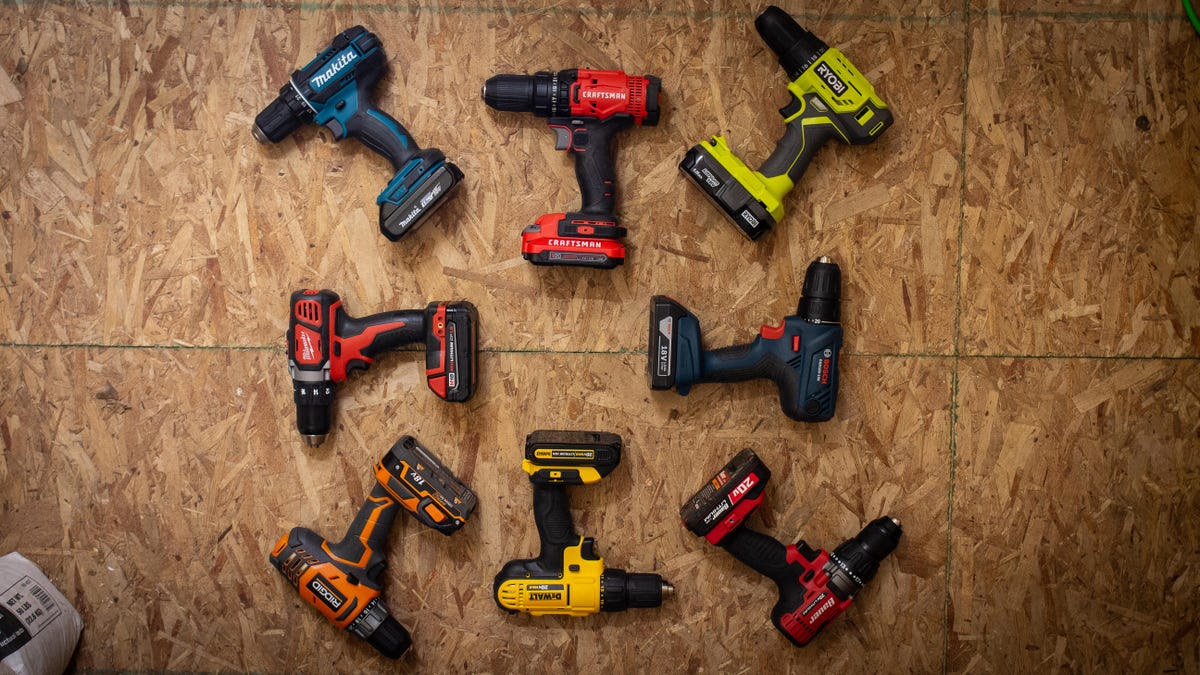
Some brands have a strong reputation for cordless drills. Names like DeWalt, Makita, Bosch, and Milwaukee stand out. These companies offer durable tools that last long. They also invest in improving technology and design. Choosing a popular brand reduces the risk of poor performance.
Warranty Coverage
Warranty coverage shows how much a brand trusts its product. Most cordless drills come with at least a one-year warranty. Some offer longer coverage, up to three years or more. Check what the warranty covers. Look for protection against defects and motor failure. A clear, fair warranty means fewer worries.
Customer Support
Good customer support helps solve problems fast. Brands with helpful service teams make repairs easier. They provide clear instructions and quick responses. Some offer online chat, phone help, or service centers. Reliable support improves the overall experience with your drill.
Budget And Value
Choosing a cordless drill means balancing budget and value. You want a tool that fits your price range but also offers good features. Spending wisely helps you get a drill that lasts and performs well.
Price Ranges
Cordless drills come in many price ranges. Basic models start around $30 to $60. These are good for light tasks and occasional use. Mid-range drills cost between $60 and $120. They offer better power and durability. High-end drills can cost $120 and above. These are suited for heavy-duty work and frequent use.
Cost Vs. Features
Cheaper drills often lack strong motors and long battery life. Mid-range models usually have better batteries and more speed options. High-end drills include features like brushless motors and advanced controls. Decide which features matter most for your work. Avoid paying for features you won’t use.
Long-term Investment
Buying a quality drill can save money over time. Cheap drills may break and need replacement. A durable drill reduces repair and replacement costs. Think about how often you will use the drill. Choose a model that stays reliable for years.
Credit: smartbuy.alibaba.com
Additional Accessories
Choosing the right cordless drill means thinking beyond the tool itself. Additional accessories can improve your work experience and efficiency. These extras help keep your drill ready and protected. They also make your tasks easier and faster.
Battery Chargers
Having a good battery charger is key. It keeps your drill powered and ready. Fast chargers reduce wait time between jobs. Some chargers have smart features to protect battery life. This helps your battery last longer and work better.
Carrying Cases
A sturdy carrying case protects your drill and accessories. It keeps everything organized and easy to carry. Cases also prevent damage during transport. Some cases have extra pockets for bits and tools. This means you have all parts in one place.
Extra Batteries
Extra batteries mean more work without stopping. Swap batteries quickly and keep drilling. This is great for long projects or outdoor jobs. Always choose batteries that match your drill brand. Having spares avoids delays and keeps you productive.
Safety Tips And Maintenance
Safety and maintenance are key to using a cordless drill well. They help the drill last longer and keep you safe. Simple steps can protect you and your tool during work.
Proper Handling
Hold the drill firmly with both hands. Keep fingers away from the rotating bit. Use the right drill bit for each job. Avoid forcing the drill to work too hard. Always wear safety glasses to protect your eyes. Turn off the drill before changing bits or making adjustments.
Routine Maintenance
Clean the drill after every use. Remove dust and debris from vents and chuck. Check the battery for damage or leaks. Charge the battery fully before storing. Lubricate moving parts as the manual suggests. Inspect the drill for loose parts regularly. Fix small issues quickly to avoid bigger problems.
Storage Guidelines
Store the drill in a dry, cool place. Avoid places with high humidity or extreme heat. Keep the battery separate if you store the drill long-term. Use the original case or a sturdy box. Make sure the drill is off before storing. Keep the drill away from children’s reach.
Credit: smartbuy.alibaba.com
Frequently Asked Questions
What Features Define The Best Cordless Drill?
The best cordless drill offers high torque, long battery life, and adjustable speed settings. It’s lightweight, durable, and comes with ergonomic grips for comfort. Additional features like LED lights and multiple drill bits improve usability and performance for various tasks.
How To Choose The Right Battery For A Cordless Drill?
Choose a lithium-ion battery for longer life and faster charging. Higher voltage batteries provide more power but may increase weight. Consider battery capacity (Ah) for longer run time. Always pick a battery compatible with your drill model.
Which Drill Chuck Size Is Ideal For Home Use?
A 3/8-inch chuck size is ideal for most home projects. It supports various drill bit sizes and offers good versatility. For heavier tasks, a 1/2-inch chuck provides extra strength but is less common for casual users.
Why Is Torque Important In A Cordless Drill?
Torque measures the drill’s twisting power, crucial for driving screws and drilling. Higher torque means better performance on tough materials. Choose a drill with adjustable torque settings for more control during delicate or heavy-duty tasks.
Conclusion
Choosing the best cordless drill takes some thought and care. Focus on battery life, power, and comfort first. Think about the tasks you want to do with it. A drill that feels good in your hand makes work easier. Don’t forget to check the drill’s speed settings and torque.
These features help with different jobs around the house. Take time to compare brands and read simple reviews. A good cordless drill saves time and effort. Pick one that fits your needs and budget well. Simple steps lead to a smart choice.
