


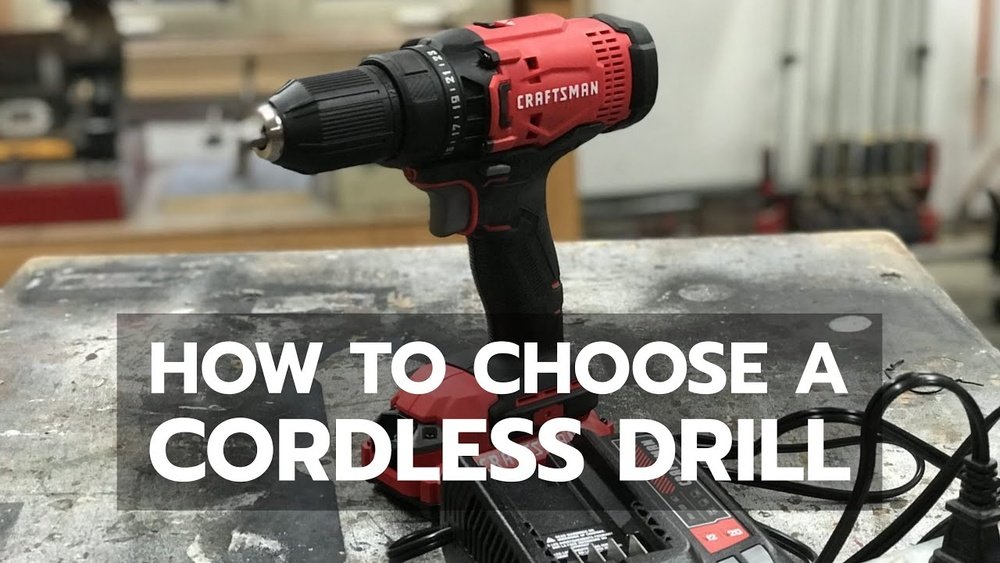
Choosing the right cordless drill can feel overwhelming with so many options on the market. But imagine having a tool that fits perfectly in your hand, powers through any task, and lasts just as long as you need it to.
This guide will help you discover exactly what to look for, so you can make the best choice for your projects. By the end, you’ll feel confident picking a cordless drill that matches your needs and makes every job easier.
Ready to find your perfect drill? Keep reading.
%20(1).png)
Credit: www.misterworker.com
Types Of Cordless Drills
Choosing the right cordless drill depends on the type you need. Each type serves a different purpose. Knowing these types helps pick the best drill for your tasks.
Compact Drills
Compact drills are small and light. They work well for simple jobs around the house. These drills fit tight spaces and are easy to carry. Ideal for drilling small holes and light screwing.
Heavy-duty Drills
Heavy-duty drills handle tough jobs. They have more power and longer battery life. These drills work well on hard materials like metal and thick wood. Best for serious DIYers and professionals.
Hammer Drills
Hammer drills add a hammering action to drilling. They help drill into brick, concrete, and stone. These drills are stronger and heavier. Perfect for construction and masonry work.
Key Features To Consider
Choosing the right cordless drill can make your work easier and faster. Focus on key features that match your needs. These features affect how well the drill performs and how comfortable it feels during use.
Battery Type And Life
Battery type affects drill power and charging time. Lithium-ion batteries last longer and charge faster. They also hold power well when not in use. Check the battery life to ensure it fits your project needs.
Motor Power
Motor power determines how strong the drill is. Higher power helps with tough materials like wood and metal. Look for a motor that suits the tasks you plan to do. Too much power can be hard to control.
Chuck Size
Chuck size controls the drill bit size you can use. Common sizes are 3/8 inch and 1/2 inch. Bigger chucks hold larger bits for heavy jobs. Choose a size that fits your usual tasks.
Speed Settings
Speed settings help adjust drill speed for different materials. Low speed works for drilling into metal or driving screws. High speed suits wood and fast drilling. Multiple speed options give more control.
Ergonomics And Weight
Ergonomics means how comfortable the drill feels in your hand. A good grip reduces hand strain. Lightweight drills are easier to hold for longer times. Balance weight and comfort for best use.
Battery Technologies
Choosing the right cordless drill means understanding battery technologies. The battery powers your drill and affects how long it runs. Different batteries offer different strengths and weaknesses. Knowing these helps pick the best drill for your needs.
Lithium-ion Batteries
Lithium-ion batteries are common in modern cordless drills. They are lightweight and hold a charge longer than other types. These batteries charge quickly and deliver steady power. They do not lose much energy when not in use. Lithium-ion batteries also last for many charge cycles. This type is best for frequent use and heavy tasks.
Nickel-cadmium Batteries
Nickel-cadmium batteries are older but still used in some drills. They are heavier and have less capacity than lithium-ion. These batteries can work well in cold weather. They need full discharge before charging to avoid memory effect. Nickel-cadmium batteries cost less but require more care. They are suitable for occasional use and smaller tasks.
Battery Maintenance Tips
Keep batteries in good condition to extend drill life. Store batteries in a cool, dry place away from sunlight. Avoid letting batteries fully drain before recharging. Charge batteries regularly, even when not using the drill. Clean battery contacts to ensure good connection. Following these tips helps batteries perform better and last longer.
Choosing The Right Power
Choosing the right power for a cordless drill is key to getting the job done well. Power affects how fast and strong the drill works. It also changes how long the battery lasts and what tasks the drill can handle.
Understanding the power needs helps pick a drill that fits your work style. Some jobs need more force, while others need faster speed. Knowing this makes your choice clear and smart.
Voltage Ratings
Voltage shows the drill’s power level. Higher voltage means more power and longer run time. Common cordless drills range from 12V to 20V. A 12V drill is good for light tasks. A 20V drill handles tougher jobs. Choose voltage based on how hard your projects are.
Torque Requirements
Torque is the drill’s twisting force. It tells how strong the drill turns screws or bits. High torque helps with thick wood or metal. Low torque suits light drilling or small screws. Check the torque rating to match your project needs.
Workload Types
Think about the work you will do most. Light tasks like hanging pictures need less power. Heavy tasks like building furniture need more power and torque. Match the drill’s power to your regular workload. This saves energy and makes your work easier.
Additional Features To Look For
Choosing a cordless drill goes beyond just power and battery life. Extra features can make your work easier and safer. These features help you control the drill better and work in different conditions. Here are some important additional features to consider.
Led Lights
LED lights brighten the work area. They help you see clearly in dark or tight spaces. This feature improves accuracy and reduces mistakes. A built-in LED light is useful for indoor or night projects.
Clutch Settings
Clutch settings control the drill’s torque. They stop the drill from overdriving screws or damaging materials. Adjustable clutch settings let you choose the right power for each task. This prevents stripping screws and saves your work.
Speed Controls
Speed controls adjust how fast the drill spins. Different tasks need different speeds. Low speed is good for driving screws, and high speed is best for drilling holes. Variable speed controls give you more precision and flexibility.
Safety Features
Safety features protect you during use. Look for features like a safety lock to prevent accidental starts. Some drills have overload protection to avoid damage. These features keep you safe and extend the tool’s life.

Credit: www.youtube.com
Top Brands And Models
Choosing the right cordless drill means knowing the top brands and models. These brands offer tools that last and perform well. Some are great for beginners, while others suit experts. Picking a trusted brand helps avoid problems and saves money in the long run.
Popular Brands
Brands like DeWalt, Makita, and Bosch lead the market. They make reliable drills that fit many tasks. These brands use strong batteries and motors. Their products often come with good warranties. Many users trust these names for home and work projects.
Budget-friendly Options
Black+Decker and Ryobi offer affordable drills. These models work well for simple jobs. They have lighter motors but still do the job. Perfect for casual users or small repairs. You get good value without paying too much.
Professional Grade Picks
Milwaukee and Hilti create drills for tough jobs. Their drills handle heavy use and last long. These models have powerful batteries and fast motors. Designed for construction and serious DIY projects. Professionals often choose these brands for their durability.
Maintenance And Care Tips
Proper maintenance keeps your cordless drill working well for a long time. Regular care helps avoid costly repairs and makes your tool safer to use. Simple steps can extend the life of your drill and keep it ready for any task.
Cleaning And Storage
After each use, wipe your drill with a dry cloth. Remove dust and debris from vents and moving parts. Avoid using water or harsh cleaners that can damage the drill. Store the drill in a cool, dry place. Use a case or box to protect it from dust and drops.
Battery Care
Charge the battery fully before first use. Avoid letting the battery drain completely. Store batteries in a cool place away from heat. Remove the battery from the drill if you won’t use it for a long time. Use the charger that came with your drill to prevent damage.
Troubleshooting Common Issues
If your drill won’t start, check the battery charge first. Make sure the battery is properly seated in the drill. Clean the chuck if it won’t hold bits tightly. Listen for unusual noises that may signal a problem. Consult the manual for specific fixes before calling for help.
.jpg)
Credit: www.misterworker.com
Frequently Asked Questions
What Features Should I Look For In A Cordless Drill?
Look for battery life, torque, speed settings, and weight. Also consider chuck size and brand reliability for the best performance.
How Do Battery Types Affect Cordless Drill Performance?
Lithium-ion batteries offer longer life and faster charging. NiCad batteries are cheaper but heavier and have shorter lifespan.
What Drill Size Is Best For Home Use?
A 12-volt or 18-volt drill is ideal. It balances power and weight, suitable for most household tasks.
How Important Is Torque In A Cordless Drill?
Torque determines drilling power. Higher torque handles tougher materials, while lower torque is good for light tasks.
Conclusion
Choosing the right cordless drill takes some thought. Focus on battery life, power, and comfort. Think about the tasks you want to do. A lightweight drill helps with long jobs. Check the drill’s speed settings and torque. Don’t forget to consider the price and brand.
A good drill makes projects easier and faster. Take your time to compare options before buying. This way, you get the best drill for your needs. Simple steps lead to smart choices.
