


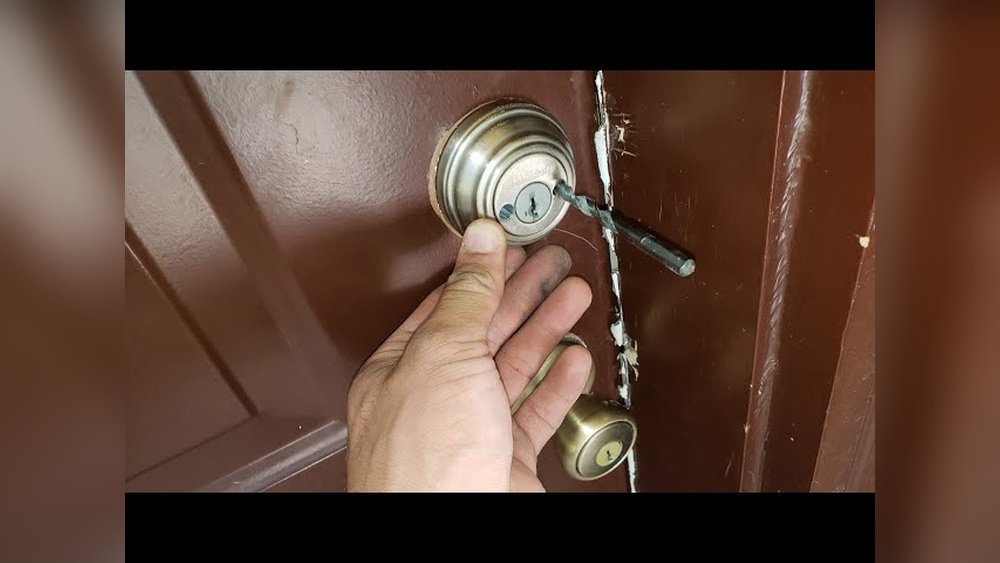
If you’re locked out or need to remove a stubborn deadbolt, knowing how to drill a deadbolt can save you time, money, and frustration. You might think this task is only for professionals, but with the right steps and tools, you can do it yourself safely and efficiently.
Keep reading, and you’ll learn exactly how to tackle this job without damaging your door or lock. By the end, you’ll feel confident and ready to handle your deadbolt like a pro.

Credit: www.youtube.com
Tools Needed
Drilling a deadbolt requires the right tools for safety and success. Proper tools make the job easier and faster. Before you start, gather all necessary items. This helps avoid delays and frustration.
Drill Types
Choose a drill that works well for metal and wood. A cordless drill offers easy handling and mobility. A corded drill provides constant power for tough materials. A hammer drill can help if the door has a metal plate. Pick the drill that fits your needs and comfort.
Drill Bits
Use strong drill bits made for metal or wood. High-speed steel (HSS) bits are good for most deadbolts. Titanium-coated bits last longer and cut better. Start with a small bit to make a pilot hole. Then, switch to a larger bit to widen the hole. This prevents damage to the door and drill.
Safety Gear
Protect yourself before drilling. Wear safety glasses to guard your eyes from metal shards. Use ear protection to reduce noise from the drill. Gloves protect your hands from sharp edges and heat. Dress in close-fitting clothes to avoid getting caught in the drill. Safety first, always.

Credit: www.wikihow.com
Preparation Steps
Preparing properly is key before you drill a deadbolt. This part ensures safety and success. Taking time to follow each step avoids mistakes and damage.
Assessing The Lock
Check the deadbolt type first. Look at its shape and size. Identify if it has extra security features. Understand how it works before drilling. This helps choose the right tools and method.
Clearing The Area
Remove objects near the door. Clear the workspace for easy movement. Protect surfaces from metal shavings and dust. Use tape or cloth to cover sensitive parts. Keep children and pets away from the area.
Marking Drill Points
Find the exact spot to drill on the lock. Use a pencil or marker for clear marks. Measure carefully to hit the lock cylinder center. Double-check marks before starting to drill. Accurate marking prevents wasted effort and damage.
Drilling Techniques
Drilling a deadbolt requires careful technique to avoid damage and ensure success. Understanding the right steps helps you work safely and efficiently. This section explains the best drilling methods for your deadbolt cylinder.
Drilling The Cylinder
Start by locating the cylinder center. Use a small drill bit to create a pilot hole. This guides the larger drill bit for better control. Drill slowly to maintain accuracy. Avoid rushing, as it can damage the lock.
Applying Pressure
Apply steady, moderate pressure during drilling. Too much force can break the drill bit or damage the door. Too little pressure slows the process and causes overheating. Let the drill do the work at a steady pace.
Avoiding Damage
Protect the door surface by placing tape around the drilling area. Keep the drill bit sharp for clean cuts. Stop drilling immediately if you feel unusual resistance. Use safety glasses to protect your eyes from metal shavings.
Removing The Deadbolt
Removing the deadbolt is the next step after drilling. This process helps you take out the lock parts safely and prepare the door for a new lock. It needs patience and care to avoid damage. Follow the steps below to remove the deadbolt correctly.
Extracting Lock Components
Start by loosening the screws on the door edge. These screws hold the deadbolt in place. Use a screwdriver to remove them carefully. Pull the faceplate away from the door. This exposes the bolt and the lock cylinder.
Next, pull the bolt straight out. It should slide easily once the screws are gone. If it sticks, do not force it. Try moving it slightly back and forth to loosen.
Remove the lock cylinder by pulling it through the hole. This part controls the locking mechanism. Keep all parts organized. They help if you plan to reuse or replace the lock.
Handling Stuck Parts
Sometimes, parts may not come out easily. Rust or paint can cause them to stick. Use a lubricant spray on tight areas. Let it sit for a few minutes to loosen the metal.
Use gentle taps with a small hammer or tool. This helps free stuck components without breaking them. Avoid using too much force to prevent damage.
For very stubborn parts, try a pair of pliers. Grip firmly but carefully to pull the piece out. Take breaks if needed to avoid slipping or injury.
Post-removal Tips
After drilling out a deadbolt, some steps help keep your door safe and functional. These post-removal tips guide you through the next actions. Focus on replacing the lock, securing the door, and disposing of old parts properly.
Replacing The Lock
Choose a new deadbolt that fits your door’s thickness. Make sure it offers good security and is easy to install. Follow the manufacturer’s guide for correct placement and tightening. Test the lock several times to ensure smooth operation.
Securing The Door
Check the door frame for damage caused during removal. Reinforce the frame with metal plates if needed. Tighten all screws and bolts around the lock area. Add extra security measures like strike plates for better protection.
Disposing Of Old Hardware
Collect all parts removed from the old deadbolt carefully. Dispose of them according to local waste rules. Avoid leaving sharp pieces where someone could get hurt. Recycling metal parts is a good option if available.
Safety Precautions
Drilling a deadbolt can be risky without the right safety steps. Careful preparation helps avoid injury and damage. Follow these safety precautions to work smart and stay safe.
Protecting Yourself
Wear safety goggles to shield your eyes from flying metal bits. Use gloves to protect your hands from sharp edges and heat. Choose sturdy clothes that cover your arms and legs. Keep your hair tied back and avoid loose clothing. Work in a well-lit area to see clearly. Stand steady and keep a firm grip on the drill. Take breaks if you feel tired to avoid mistakes.
Preventing Property Damage
Use painter’s tape on the door to mark drill spots and avoid scratches. Check the drill bit size before starting to match the deadbolt. Drill slowly and straight to prevent slipping and damage. Clear metal shavings often to keep the work area clean. Protect nearby surfaces with cloth or cardboard. Avoid drilling too deep to prevent breaking door parts. Double-check measurements before drilling to save time and effort.

Credit: www.parkavenuelocks.com
Frequently Asked Questions
How Do I Safely Drill A Deadbolt Lock?
Use a drill bit designed for metal, wear safety goggles, and drill slowly. Avoid excessive force to prevent damage. Always ensure the lock is disengaged before drilling for safety.
What Tools Are Needed To Drill A Deadbolt?
You need a power drill, metal drill bits, a screwdriver, and safety goggles. Optional tools include a center punch and a lubricant for smoother drilling.
Can Drilling Damage My Door Or Lock?
Yes, improper drilling can damage the door or lock mechanism. Use the right tools and techniques to minimize risks. Drilling should be a last resort for lock removal.
How Long Does It Take To Drill A Deadbolt?
Drilling a deadbolt typically takes 5 to 10 minutes. Time varies based on lock type and drill power. Preparation and safety measures may add extra time.
Conclusion
Drilling a deadbolt needs care and the right tools. Always wear safety glasses and work slowly. Mark the spot clearly before you start drilling. Choose the correct drill bit for best results. Keep the drill steady to avoid damage. Practice on scrap wood if unsure.
Following these steps helps you drill safely and accurately. Taking your time makes the job easier. Now, you can handle deadbolt drilling with confidence.
