


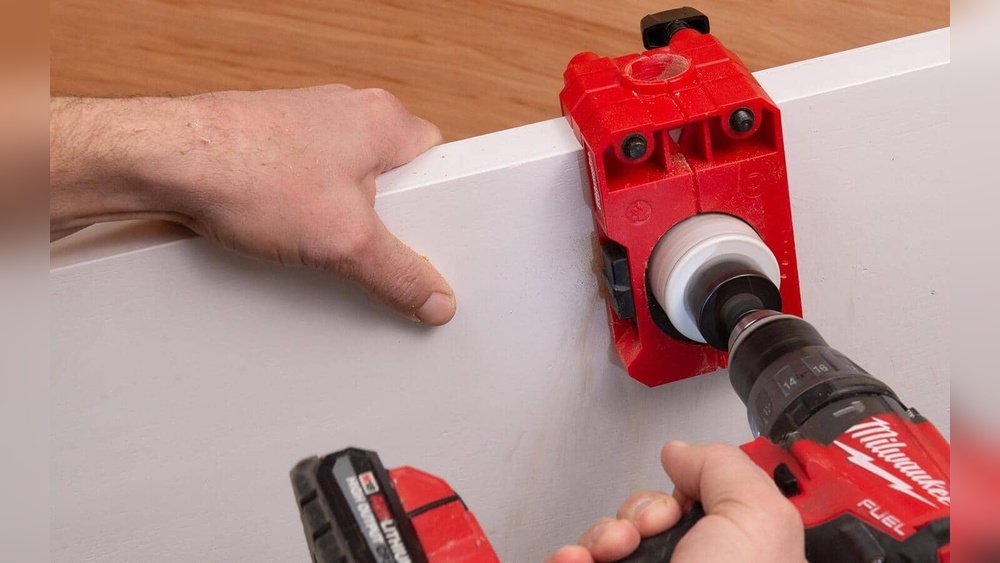
Trying to fix a stuck door latch can be frustrating. Maybe your door won’t open, or the latch just won’t line up right.
Drilling a door latch might sound tricky, but with the right steps, you can do it yourself quickly and safely. In this guide, you’ll learn exactly how to drill a door latch the right way, so you can get your door working smoothly again without calling a locksmith.
Keep reading—you’ll be surprised how easy it is once you know the simple tricks.
Tools Needed
Drilling a door latch needs the right tools for a clean and precise job. Having the correct tools makes the task easier and safer. Below are the essential tools you need to drill a door latch effectively.
Drill Types
Choose a drill that fits your skill level and project size. A cordless drill offers mobility and ease of use. A corded drill provides consistent power for tougher materials. Both types work well for drilling door latches.
Drill Bits
Select drill bits designed for wood or metal, depending on your door type. Spade bits help create large holes quickly. For precise pilot holes, use a smaller twist bit. Sharp bits reduce effort and improve results.
Safety Gear
Protect yourself with safety glasses to shield your eyes from debris. Wear gloves to avoid hand injuries and improve grip. Use ear protection if the drill noise is loud or prolonged. Safety gear helps prevent accidents.
Measuring Tools
Accurate measurements ensure the latch fits perfectly. Use a tape measure to mark hole locations precisely. A pencil helps mark drill points clearly. A combination square keeps lines straight and accurate.
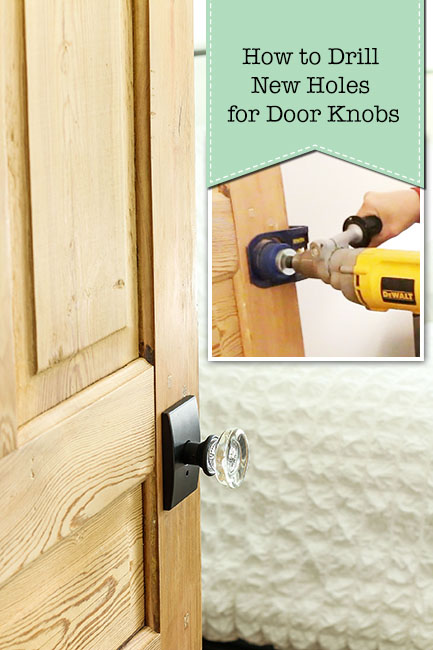
Credit: prettyhandygirl.com
Preparing The Door
Preparing the door is the first step in drilling a door latch. It ensures the latch fits well and works properly. This part of the process needs care and accuracy. It helps avoid mistakes that can damage the door or lock. Follow each step carefully to prepare the door correctly.
Marking The Latch Position
Start by deciding where the latch will go. Use a pencil to mark the spot on the door edge. Check the height to match the door handle. Mark both sides of the door for the latch plate and hole. Use a square or ruler to keep lines straight. Clear, accurate marks guide the drill and prevent errors.
Measuring Depth And Size
Measure the latch size with a tape measure or ruler. Note the length, width, and thickness of the latch. Check the depth of the hole needed for the latch body. Mark the drill bit with tape to avoid drilling too deep. Accurate measuring ensures the latch fits snugly inside the door. This step keeps the door strong and the latch secure.
Drilling The Latch Hole
Drilling the latch hole is a key step when installing a door latch. This hole allows the latch to fit snugly inside the door edge. Precise drilling helps the latch work smoothly and keeps the door secure. Careful preparation and correct tools make this task easier and safer.
Drilling Techniques
Mark the exact spot for the latch hole on the door edge. Use a sharp pencil or marker. Choose a drill bit that matches the latch size. Start drilling slowly to keep control. Keep the drill straight to avoid angled holes. Drill to the right depth, usually about an inch. Stop and check the hole size with the latch. Adjust if needed for a perfect fit.
Avoiding Common Mistakes
Do not rush the drilling process. Too fast can cause splintering or uneven holes. Avoid using the wrong drill bit size. This can make the latch loose or too tight. Do not drill too deep or shallow. Incorrect depth can stop the latch from working. Keep the drill steady to prevent crooked holes. Always wear safety glasses to protect your eyes.
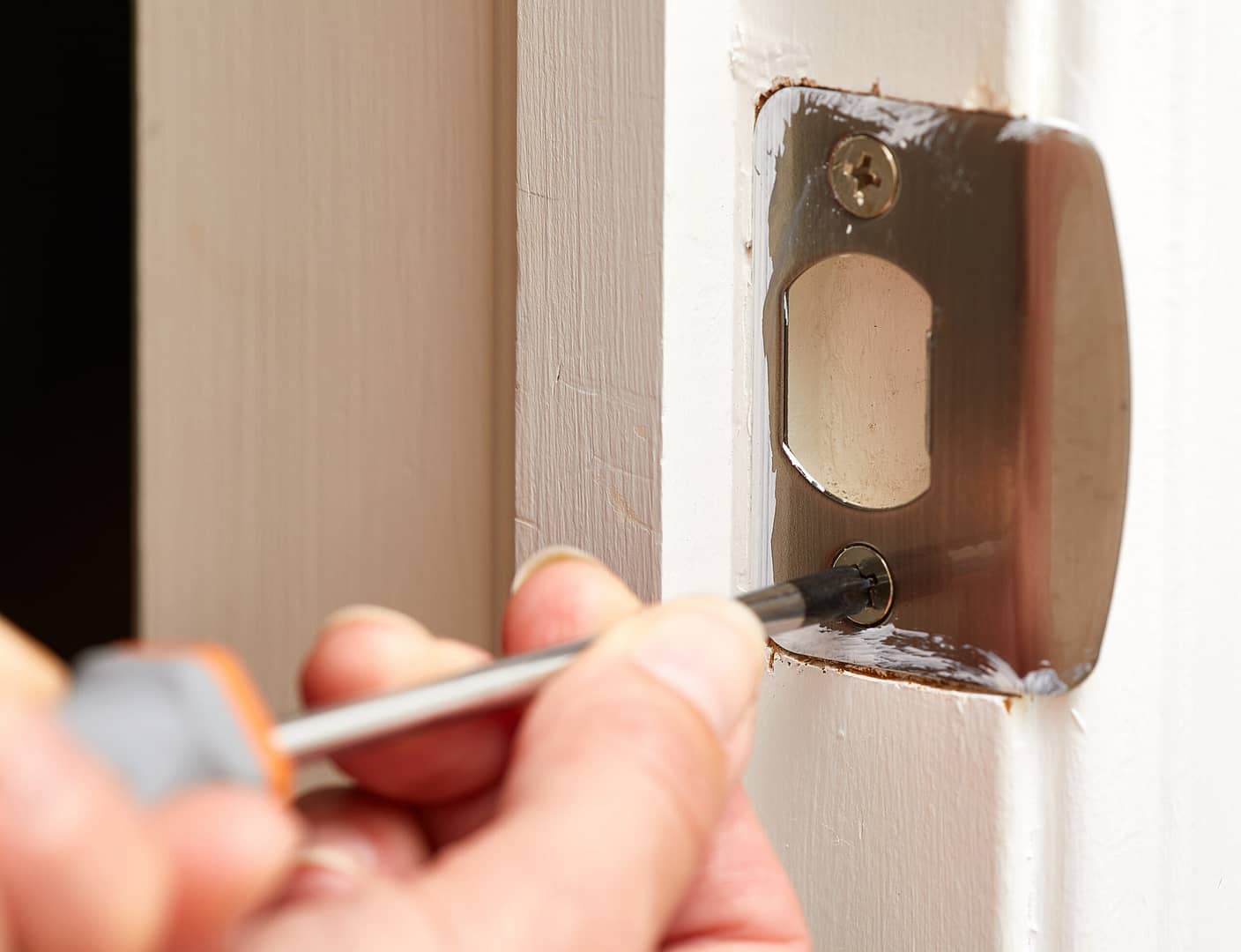
Credit: www.aspire-doors.co.uk
Installing The Latch
Installing the latch is a key step in fixing a door latch. It holds the latch in place and lets the door close properly. This process needs careful fitting and securing to ensure the latch works well.
Fitting The Latch Into The Hole
Start by sliding the latch into the hole drilled in the door edge. The latch should fit snugly without forcing it. Check if the latch plate sits flush with the door surface. If it sticks out, use a chisel to adjust the recess. Make sure the latch bolt moves freely in and out.
Securing The Latch
Secure the latch by screwing the latch plate to the door. Use the screws provided with the latch set. Tighten each screw evenly to avoid bending the plate. The latch must be firm and stable. Loose screws can cause the latch to malfunction over time.
Testing The Door Latch
Testing the door latch is a key step after drilling and installing it. It ensures the latch works well and the door closes properly. Careful testing helps avoid future problems like sticking or misalignment. Take time to check every detail before finishing the job.
Checking Alignment
Start by closing the door slowly. Watch the latch and the strike plate closely. The latch should fit perfectly into the strike plate hole. If it hits the edge or misses, the alignment is off. Adjust the latch or the strike plate until they line up straight. Proper alignment stops the door from jamming or staying open.
Ensuring Smooth Operation
Test the latch by turning the door knob several times. The latch should move in and out smoothly without sticking. Listen for any unusual sounds like grinding or clicking. Push and pull the door lightly to feel resistance. A smoothly working latch means the door will open and close easily every time.
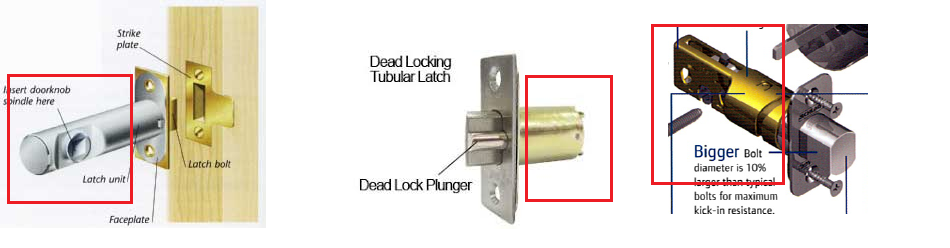
Credit: diy.stackexchange.com
Tips For Quick Repairs
Quick repairs on a door latch save time and stress. Knowing simple tips makes the process easier and safer. Proper tools and techniques help you finish fast.
Using The Right Drill Speed
Choose a drill speed that matches the task. Use a low speed for metal latches to avoid damage. Higher speeds work well for wood but can burn the material. Start slow, then adjust speed as needed. Keep control to prevent slipping or stripping screws.
Handling Different Door Materials
Doors come in wood, metal, and composite materials. Wood is softer and drills easily at medium speed. Metal needs steady pressure and slower speed to prevent overheating. For composite or hollow doors, use a drill bit designed for thin materials. Always check the material before drilling to avoid mistakes.
Frequently Asked Questions
How Do I Drill A Door Latch Correctly?
To drill a door latch correctly, mark the latch position first. Use a drill bit matching the latch size. Drill straight to avoid misalignment. Clean the hole before installing the latch for a secure fit.
What Tools Are Needed To Drill A Door Latch?
You need a power drill, a drill bit set, a screwdriver, and a pencil. A chisel helps to create space for the latch plate. Safety glasses and gloves are recommended for protection.
Can I Drill A Door Latch On Any Door Type?
Yes, you can drill a door latch on wood, metal, or composite doors. Use the appropriate drill bit for the door material. Take extra care with metal doors to avoid damaging the drill bit.
How Do I Avoid Damaging The Door When Drilling?
Use a center punch to mark the drill spot. Drill slowly and steadily to prevent splintering. Clamp the door if possible to keep it stable. Stop frequently to check your progress and avoid mistakes.
Conclusion
Drilling a door latch is easier with clear steps. Always measure and mark the spot carefully. Use the right drill bit for best results. Take your time to avoid mistakes or damage. Safety matters—wear goggles and work slowly. Practice on scrap wood if unsure.
This method saves time and helps fix door issues quickly. Try these tips next time you need to drill a door latch. Simple tools and patience can make the job smooth. Keep your door working well with basic skills.
