



Have you ever found yourself struggling with a belt that doesn’t fit just right? Maybe it’s a little too loose or tight, and you wish you could add an extra hole to make it perfect.
The good news is—you can! Drilling a hole in your belt is easier than you think, and you don’t need expensive tools or a trip to the tailor. In this guide, you’ll discover simple, step-by-step tips to make a clean hole that looks professional and lasts long.
Keep reading, and you’ll never have to worry about your belt fitting poorly again.
Tools Needed
Drilling a hole in a belt requires the right tools to ensure a clean and precise result. Using proper equipment makes the job easier and prevents damage to the belt. Prepare all the tools before you start drilling for a smooth process.
Types Of Drill Bits
Choose drill bits designed for leather or soft materials. Leather punch bits work best for belts. You can also use a regular twist drill bit with a small diameter. Step drill bits create clean holes without tearing the belt. Avoid large or rough bits that can ruin the belt.
Choosing The Right Drill
A handheld electric drill is ideal for this task. It offers control and steady speed. A cordless drill provides good mobility. Use a drill with adjustable speed to prevent overheating. Avoid heavy drills that are hard to handle on small belts.
Additional Supplies
Use a cutting mat or wooden board under the belt. This protects your work surface and drill bit. Have a ruler or measuring tape for accurate hole placement. Mark the spot with a pencil or fabric chalk. Use clamps to hold the belt steady during drilling.

Credit: www.youtube.com
Preparing The Belt
Preparing the belt correctly is key to drilling a clean, precise hole. This step helps avoid damage and ensures the hole fits perfectly. Take your time with each part to get the best result.
Measuring The New Hole Position
First, measure where the new hole should go. Use a ruler or tape measure to find the right spot. Check the distance from the last hole or the belt buckle. Accurate measurement keeps the belt comfortable and balanced.
Marking The Spot
Next, mark the hole spot clearly. Use a pencil or a fine-tip marker for a small, visible dot. Mark on the inside of the belt if possible. This helps keep the belt looking neat after drilling.
Securing The Belt
Finally, hold the belt steady before drilling. Place it on a flat, hard surface. Use clamps or heavy objects to keep it from moving. A stable belt stops mistakes and keeps the hole straight.
Drilling Process
Drilling a hole in a belt needs care and the right steps. This process helps create a clean, precise hole without ruining the belt. Follow simple tips to drill safely and effectively.
Setting Drill Speed
Start by setting the drill to a slow speed. High speed can burn the belt material or cause rough edges. A slow, steady speed gives better control and cleaner results. Use a speed around 300 to 500 RPM for best effect.
Drilling At The Marked Spot
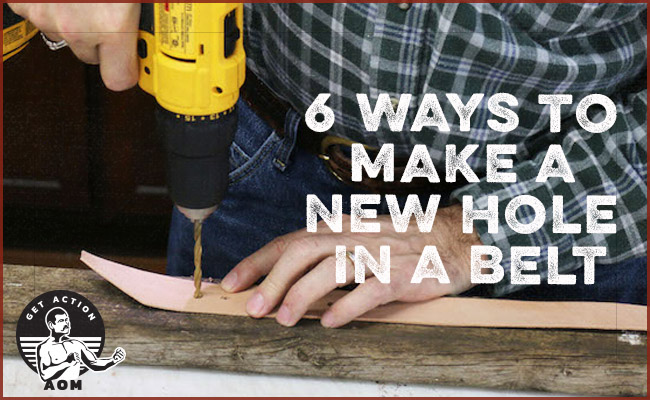
Place the belt on a flat, hard surface. Hold it firmly to stop movement. Align the drill bit directly over the marked hole spot. Apply gentle pressure and start drilling slowly. Let the drill do the work. Stop once the bit passes through the belt.
Avoiding Damage
Use a drill bit size that fits the needed hole. Avoid forcing the bit through too fast. Protect the belt edges by placing a scrap wood piece underneath. This stops splintering or tearing. Check the hole edges and smooth them if needed with sandpaper.
Credit: www.artofmanliness.com
Finishing Touches
After drilling a hole in your belt, the job is not done yet. Finishing touches make the hole safe and look neat. These small steps help the belt last longer and feel better to wear.
Smoothing The Hole Edges
The drilled hole might have rough edges. Use fine sandpaper or a small file to smooth them. This stops the hole from tearing or hurting your skin. Take your time and gently rub around the hole until it feels smooth.
Testing The Fit
Try the belt on to check the new hole. Make sure the buckle pin fits well and holds tight. If the hole is too big or small, adjust it carefully. A good fit keeps the belt comfortable and secure.
Maintaining The Belt
Keep your belt in good shape by cleaning it regularly. Use a soft cloth and mild soap if needed. Avoid soaking the belt or using harsh chemicals. Store it flat or hung up to keep its shape. Proper care extends the belt’s life.
Alternative Methods
Drilling a hole in a belt does not always require a drill. There are simple and effective alternative methods. These methods work well for different belt materials and sizes. They can save time and effort while still creating clean holes.
Using A Leather Punch
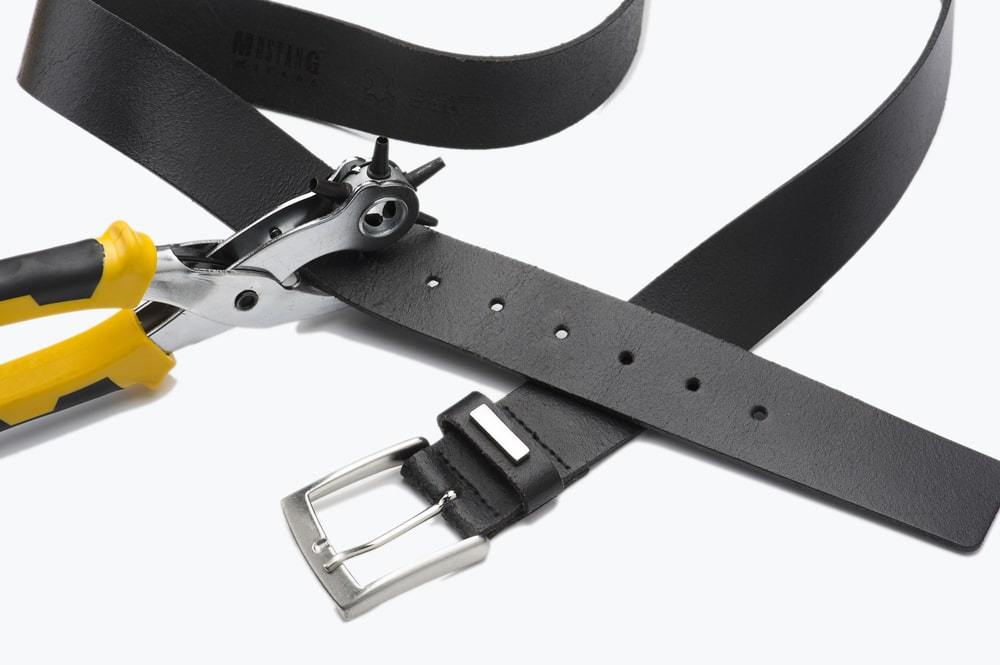
A leather punch is a small tool designed for making holes in leather. It looks like a pair of pliers with a sharp circular end. Place the belt between the jaws and squeeze the handle. The sharp end cuts a perfect round hole. Leather punches come in various sizes to match different hole diameters. They provide a clean and professional finish. This method is safe and does not damage the belt edges.
Heat-based Techniques
Heat can soften the belt material to create holes. Use a heated metal object like a nail or screwdriver. Heat it with a flame until very hot. Press the hot tip onto the belt where you want the hole. The heat melts the material, forming a hole. This technique works best on synthetic or plastic belts. Use caution to avoid burns or damage. It is a quick method but may leave rough edges. Sanding the hole edges can improve the look.
Credit: badichibelts.com
Frequently Asked Questions
How Do I Drill A Hole In A Leather Belt Safely?
Use a sharp leather hole punch or a drill bit designed for leather. Mark the spot, place the belt on a hard surface, and drill slowly to avoid tearing.
What Tools Are Best For Making Belt Holes?
Leather hole punches, rotary punches, or small drill bits work best. These tools ensure clean, precise holes without damaging the belt material.
Can I Drill Holes In Synthetic Belts?
Yes, but use a small drill bit and go slowly. Synthetic materials can melt or tear if drilled too fast or with excessive force.
How Do I Measure Where To Drill A New Hole?
Wear the belt and mark the ideal spot with a pen. Measure from the existing holes to maintain even spacing and proper fit.
Conclusion
Drilling a hole in a belt is simple and saves money. Use the right tools and measure carefully. Take your time to avoid mistakes or damage. A neat hole improves belt fit and comfort. With practice, this task becomes quick and easy.
Now, you can adjust your belt at home anytime. No need to buy a new one. Try it out and see how it works for you.
