


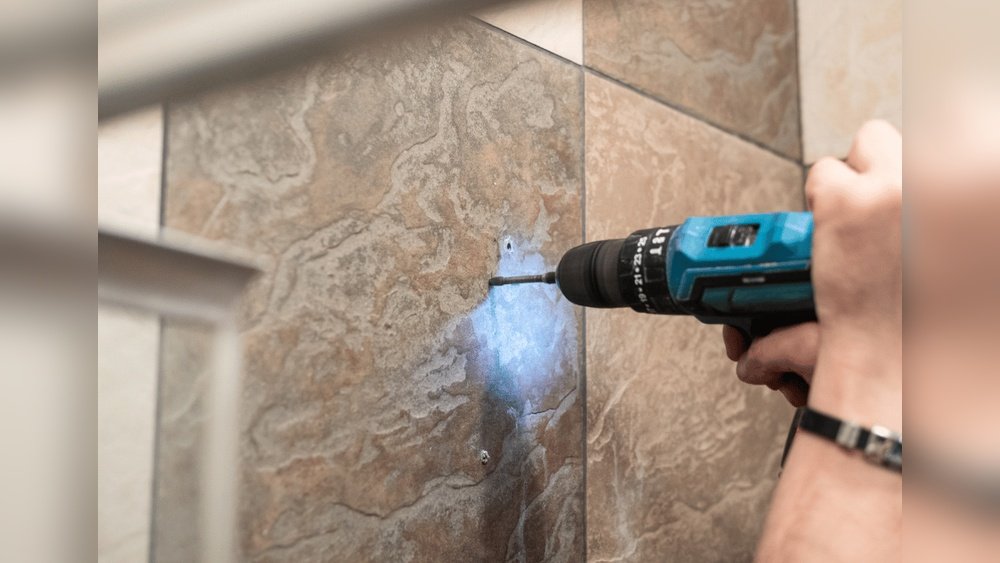
Drilling a hole in a ceramic wall tile might seem tricky, but with the right steps, you can do it without cracking or damaging your tile. Whether you need to hang a shelf, install a hook, or run wiring, knowing how to drill safely and cleanly is key.
In this guide, you’ll learn simple, effective techniques that anyone can follow—even if you’ve never used a drill before. Keep reading to discover how to get the job done right the first time, saving you time, money, and frustration.

Credit: www.youtube.com
Tools And Materials Needed
Drilling a hole in a ceramic wall tile requires the right tools and materials. Using proper equipment makes the job easier and protects the tile from cracking. Prepare everything before starting to work for the best results.
Choosing The Right Drill
Use a drill with variable speed control. A cordless drill or a drill with a low speed setting works best. High speed can break the tile or cause overheating. A drill with a steady, slow speed gives more control and safety.
Selecting Drill Bits For Tiles
Pick drill bits made for ceramic or glass tiles. Diamond-tipped or carbide-tipped bits are ideal. These bits cut through the tile without cracking it. Avoid regular wood or metal drill bits as they can damage the tile.
Safety Gear And Accessories
Wear safety glasses to protect your eyes from dust and chips. Use a dust mask to avoid inhaling tile particles. Place masking tape on the drilling spot to stop the drill bit from slipping. Have a spray bottle of water nearby to cool the drill bit and tile.

Credit: www.youtube.com
Preparing The Tile Surface
Preparing the tile surface is a key step before drilling a hole in a ceramic wall tile. It helps protect the tile from cracks and makes the drilling process smoother. Proper preparation also improves accuracy and safety.
Cleaning The Tile
Start by cleaning the tile surface thoroughly. Use a soft cloth and mild detergent to remove dirt and grease. Dirt can cause the drill bit to slip, so the surface must be clean and dry. This step ensures better contact between the drill and the tile.
Marking The Drill Spot
Mark the exact spot where you want to drill the hole. Use a pencil or a piece of masking tape for better visibility. The tape also helps protect the tile surface from scratches. Clear, accurate marking guides the drill bit and keeps the hole in the right place.
Preventing Drill Slippage
Drill slippage can damage the tile surface. To prevent this, place a small piece of masking tape over the marked spot. The tape adds grip and stops the drill bit from sliding. Hold the drill steady and start with low speed to maintain control.
Drilling Techniques For Ceramic Tiles
Drilling into ceramic tiles requires care and the right technique. Tiles are hard and can crack if drilled wrong. Using proper methods helps to make clean holes without damage. Follow these simple steps to drill safely and effectively.
Starting With A Pilot Hole
Begin with a small pilot hole to guide the drill. Use a carbide or diamond-tipped drill bit. Place masking tape over the spot to stop slipping. Drill slowly and gently to avoid cracks. This small hole helps the larger bit stay steady.
Using The Correct Drill Speed
Keep the drill speed low to prevent tile breakage. High speed creates heat and can crack tiles. Use a slow and steady rotation. This control lets the drill bit cut smoothly through the ceramic. Adjust speed as needed based on tile thickness.
Applying Steady Pressure
Press the drill evenly but not too hard. Too much force can crack the tile. Too little pressure wastes time and wears the drill bit. Let the drill do the work. Steady pressure ensures a clean, neat hole every time.
Dealing With Common Challenges
Drilling into ceramic wall tiles can be tricky. Tiles are hard but brittle. This section covers common challenges and how to handle them. These tips help prevent damage and save time.
Avoiding Tile Cracks
Cracks ruin tiles and waste effort. Start by marking the spot clearly. Use a piece of tape over the mark to stop slipping. Drill slowly with light pressure. Avoid pushing too hard or fast. A steady hand keeps the tile safe.
Handling Drill Bit Overheating
Drill bits can get very hot. Heat weakens the bit and tile. Pause often to cool the bit with water. Use a spray bottle or dip the bit carefully. Keep drilling slow and steady. Cool bits work better and last longer.
Fixing Mistakes
Small chips or scratches happen. Use clear nail polish to seal tiny cracks. For bigger chips, try a tile repair kit. Match the color to your tile. Clean the area well before repair. Fixing quickly stops damage from growing.
Finishing Touches
After drilling a hole in a ceramic wall tile, the job is not quite done. The finishing touches make the project look clean and professional. These steps help protect the tile and keep the area safe and neat. Follow these simple tips to complete your work with care and precision.
Cleaning Up Debris
Remove dust and small tile chips from the hole and surrounding area. Use a soft brush or vacuum to clear the debris. Wipe the surface gently with a damp cloth to remove fine dust. Keeping the area clean prevents scratches and helps with the next steps.
Smoothing Hole Edges
Rough edges around the hole can cause cracks or injury. Use a fine nail file or sandpaper to smooth the edges carefully. Move in a circular motion until the edges feel smooth to touch. This step ensures the tile stays strong and looks neat.
Sealing The Hole
Seal the hole edges to protect the tile from moisture and damage. Apply a clear silicone sealant or grout around the hole. Spread it evenly with a small tool or your finger. Let the sealant dry completely before using the tile surface to keep it safe and durable.
Tips For Long-lasting Results
Drilling a hole in a ceramic wall tile needs care to avoid damage. Following simple tips helps keep the tile strong and the hole useful for a long time. These tips cover choosing the right anchors, keeping the tile safe, and checking the work regularly.
Choosing The Right Anchors
Pick anchors made for ceramic tiles. Plastic or metal anchors work well. Match the anchor size to the hole for a tight fit. Use anchors that hold weight without cracking the tile. Avoid large anchors that stress the tile edges.
Maintaining Tile Integrity
Use a drill bit made for tiles. Start drilling slowly to prevent cracks. Keep the drill straight and steady. Place tape on the tile to stop the bit from slipping. Keep water on the drill bit to cool it and reduce dust.
Regular Inspection
Check the drilled hole often. Look for cracks or loosening around anchors. Tighten screws carefully to avoid stress. Replace damaged anchors quickly to keep the tile safe. Regular checks help avoid bigger problems later.

Credit: www.tilemountain.co.uk
Frequently Asked Questions
How Do I Prevent Tile From Cracking When Drilling?
Use a carbide-tipped or diamond drill bit for tiles. Apply painter’s tape over the spot before drilling. Drill slowly with light pressure to avoid cracks.
What Type Of Drill Bit Works Best On Ceramic Tile?
A diamond-tipped or carbide-tipped masonry drill bit is ideal. These bits cut smoothly through hard ceramic without damaging the tile surface.
Can I Use A Regular Drill On Ceramic Tiles?
Yes, but only with the right drill bit. Use a low-speed setting and avoid hammer mode to prevent tile damage.
Should I Wet The Tile While Drilling Holes?
Yes, applying water cools the drill bit and reduces dust. Wetting helps prevent overheating and extends drill bit life.
Conclusion
Drilling a hole in a ceramic tile is simple with the right steps. Use a proper drill bit and take your time. Keep the tile wet to stop cracking. Mark the spot clearly before starting. Wear safety glasses to protect your eyes.
Small holes work best with a slow drill speed. Practice on a spare tile if possible. These tips help you drill clean, precise holes. Now, you can hang shelves or hooks easily. Just follow these steps, and your tile stays intact.
