


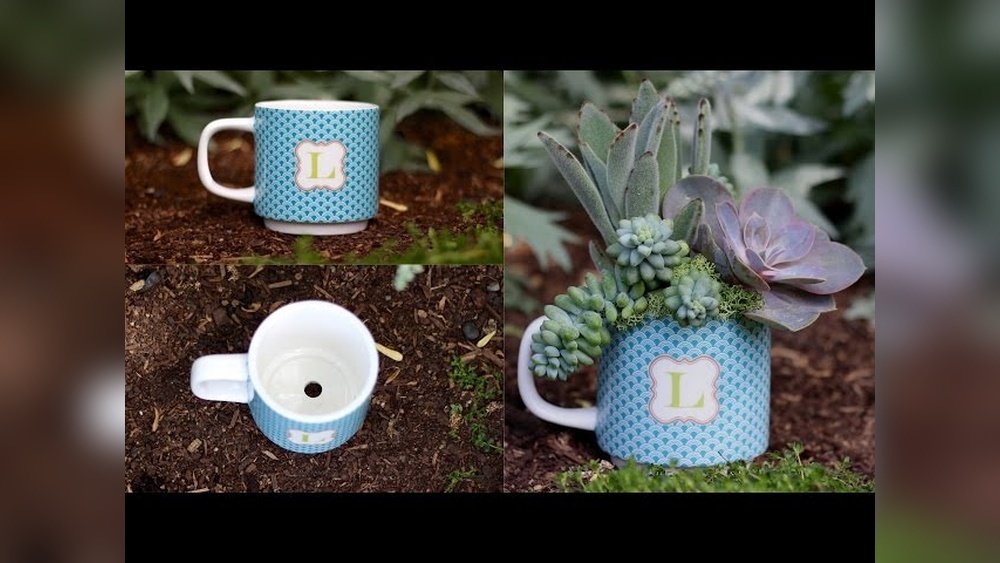
Have you ever wondered how to drill a hole in a coffee cup without cracking it? Whether you want to turn your favorite mug into a planter, a candle holder, or a unique craft project, knowing the right technique is key.
You might think it’s tricky or risky, but with the right tools and simple steps, you can do it safely and easily. Keep reading, and you’ll discover how to make your coffee cup work for your creative ideas—no stress, no mess.
Your next DIY project starts here!

Credit: www.youtube.com
Choosing The Right Coffee Cup
Choosing the right coffee cup is important before drilling a hole. The cup must handle the process without cracking. Picking a suitable cup makes the task easier and safer.
Not all cups work well for drilling. Some materials break easily, while others are too thick. Knowing what to choose helps you get the best results.
Material Considerations
Coffee cups come in different materials like ceramic, glass, and plastic. Ceramic cups are common but can crack if not drilled carefully. Glass cups need special drill bits and extra care. Plastic cups are easier to drill but may melt from heat. Choose a material that fits your skill and tools.
Cup Thickness And Durability
The thickness of the cup walls matters a lot. Thin cups break more easily during drilling. Thick cups are stronger but need more effort to drill through. Look for cups with medium thickness for balance. Durable cups reduce the risk of damage and make the job smoother.

Credit: realitydaydream.com
Gathering Necessary Tools
Drilling a hole in a coffee cup requires the right tools. Using proper equipment makes the task easier and safer. Gather everything before starting to avoid interruptions. Prepare for a smooth drilling experience with careful tool selection.
Drill Types And Bits
Choose a drill suitable for ceramics or glass. A handheld electric drill works well. Use a diamond-tipped or carbide drill bit. These bits cut through ceramic without cracking. Avoid regular bits that may cause damage. Select a drill bit size based on your hole needs. Smaller bits create tiny holes; larger bits make wider openings.
Safety Gear Essentials
Protect yourself while drilling. Wear safety glasses to shield your eyes. Use a dust mask to avoid inhaling ceramic dust. Gloves protect your hands from sharp edges. Secure the cup on a non-slip surface to prevent movement. Safety gear reduces risks and ensures a better experience.
Preparing The Workspace
Preparing your workspace is the first step to safely drill a hole in a coffee cup. A well-organized area helps prevent accidents and keeps your tools close. It also protects your cup and surroundings from damage. Clear space and proper setup make the process smoother and safer.
Setting Up A Stable Surface
Choose a flat, sturdy table to work on. A stable surface stops the cup from moving while you drill. Place a thick cloth or rubber mat under the cup. This cushion reduces slipping and absorbs vibrations. Keep your drill steady to avoid cracks or chips.
Protecting Surrounding Areas
Cover nearby surfaces with newspaper or plastic sheets. This protection catches dust and debris from drilling. Move fragile items away from your workspace. Wear safety glasses to shield your eyes from flying particles. A clean, safe area helps focus on the task at hand.
Marking The Drill Spot
Marking the drill spot is the first step to successfully drilling a hole in a coffee cup. It ensures precision and prevents mistakes. Careful marking helps avoid cracks or damage during drilling.
Take your time to choose the right spot. The location affects both the cup’s function and appearance. Accurate marking makes the process smoother and safer.
Selecting The Perfect Location
Pick a spot that fits your purpose. Consider the cup’s shape and handle position. Avoid areas near cracks or thin spots. The bottom center is often a good choice. It provides balance and space for drilling. Make sure the spot is flat enough to hold steady.
Using Guides And Templates
Use guides or templates to mark the exact drill point. You can print a circle or use a sticker as a guide. Place it where you want the hole. Mark the spot with a pencil or marker. This method improves accuracy and keeps the drill steady. It also helps to avoid slipping during drilling.
Drilling Techniques For Porcelain And Ceramic
Drilling a hole in porcelain or ceramic coffee cups requires care. These materials are hard but brittle. Using the right drilling techniques helps avoid cracks and breaks. The process demands patience and the correct tools. Follow simple steps to get a clean hole without damage.
Starting The Hole
Begin by marking the spot for the hole with a pencil. Use a small piece of tape to stop the drill bit from slipping. Start drilling at a slow speed. Hold the drill steady and keep it straight. Do not press too hard. Let the drill bit do the work.
Maintaining Drill Speed And Pressure
Keep the drill speed consistent and slow. Fast drilling can cause the cup to crack. Apply light, even pressure. Avoid pushing down too hard on the drill. Pause if you feel resistance. This helps prevent chips around the hole edge.
Cooling Methods To Prevent Cracks
Drilling generates heat that can crack the cup. Use water or a spray bottle to cool the drill area. Keep the surface wet during drilling. Stop occasionally to add more water. Cooling reduces heat and protects the ceramic or porcelain.

Credit: www.explainxkcd.com
Finishing Touches
After drilling a hole in your coffee cup, the job is not done yet. Finishing touches make the cup safe and neat. These final steps protect your fingers and improve the cup’s look. Taking time here ensures a smooth, clean result.
Smoothing Edges
The drilled hole will have rough edges. Use fine sandpaper or a nail file to smooth them. Gently rub around the hole until it feels soft. This stops cuts and cracks from starting. Take your time for an even finish.
Cleaning The Cup
Drilling makes dust and tiny pieces of ceramic. Wash the cup carefully with warm, soapy water. Use a soft brush to clean inside the hole. Rinse well to remove all dirt and dust. Dry the cup fully before use or decoration.
Troubleshooting Common Issues
Drilling a hole in a coffee cup can be tricky. Small problems can stop your work quickly. Knowing how to fix common issues saves time and keeps your cup safe. Here are some tips to handle common troubles while drilling.
Handling Cracks And Chips
Cracks and chips often happen near the drill spot. They weaken the cup and make it unsafe. Start with a small pilot hole to reduce pressure. Use low speed and light pressure while drilling. Support the cup from underneath to avoid stress. If cracks appear, stop drilling immediately. Smooth out chips with fine sandpaper before continuing.
Dealing With Drill Bit Slippage
Drill bit slippage can scratch or ruin the cup surface. Mark the drill spot clearly with tape or marker. Use a small piece of masking tape on the spot to grip the bit. Hold the drill steady and start slowly. Keep the drill bit perpendicular to the cup surface. If slippage occurs, reset the bit and try again gently.
Frequently Asked Questions
How Do I Safely Drill A Hole In A Coffee Cup?
Use a diamond-tipped drill bit for safety. Secure the cup firmly and drill slowly with water to cool the drill and prevent cracks.
What Tools Are Best For Drilling Ceramic Coffee Cups?
A diamond or carbide-tipped drill bit is best. Use a drill with adjustable speed and a steady hand to avoid damage.
Can Drilling A Coffee Cup Damage It?
Yes, improper drilling can cause cracks or breaks. Use low speed, steady pressure, and cooling water to minimize the risk.
How Do I Prevent The Coffee Cup From Cracking?
Drill at low speed with water to cool the cup. Support the cup firmly and avoid applying too much pressure.
Conclusion
Drilling a hole in a coffee cup is simple with the right tools. Take your time and work carefully. Always wear safety gear to protect yourself. Use a drill bit made for ceramic or glass. Keep the cup steady and drill slowly to avoid cracks.
Clean the cup after drilling to remove dust. Now you can use your cup for new creative ideas. Practice patience and enjoy the process. It’s easier than it seems!
