


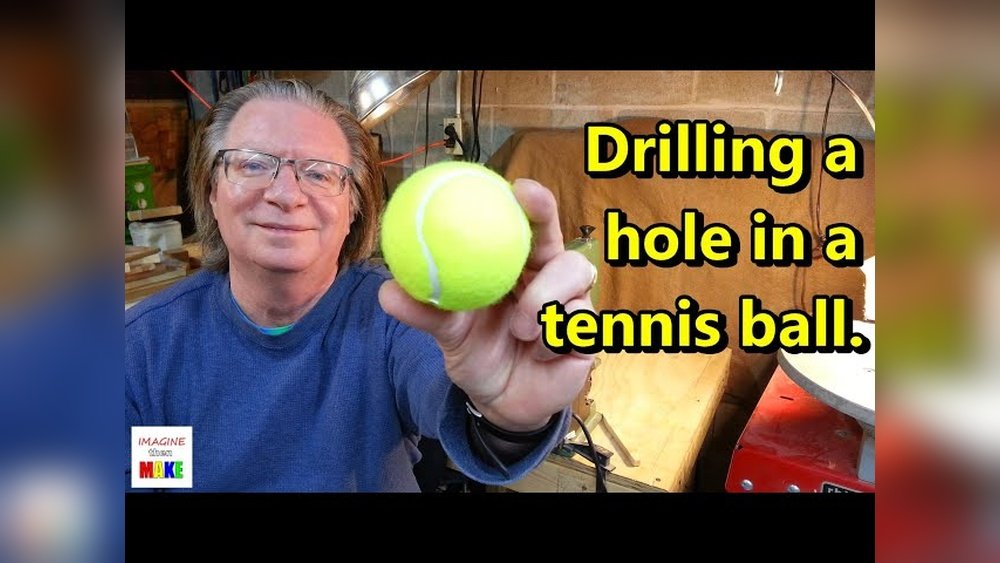
Have you ever needed to drill a hole in a tennis ball but weren’t sure how to do it without ruining it? Whether it’s for a craft project, a DIY dog toy, or a clever storage hack, knowing the right way to drill a hole can save you time and frustration.
In this guide, you’ll discover simple, step-by-step tips that make the process easy and safe. By the end, you’ll be ready to handle your tennis ball project like a pro—no guesswork, no mess. Keep reading to learn exactly how to get it done right.

Credit: letsgotennis.com
Tools Needed
Drilling a hole in a tennis ball requires the right tools to make the task easy and safe. Having the correct equipment helps you get a clean hole without damaging the ball or hurting yourself. Below are the essential tools you need for this project.
Choosing The Right Drill Bit
Pick a drill bit that fits the size of the hole you want. A standard 1/4-inch bit works well for most uses. Use a sharp bit to cut through the rubber smoothly. Avoid dull or rusty bits that can tear the ball.
Safety Gear Essentials
Wear safety glasses to protect your eyes from small flying pieces. Use gloves to keep your hands safe and steady. A dust mask can help if you feel any rubber dust in the air.
Additional Helpful Tools
Use a clamp or vise to hold the tennis ball steady. This stops the ball from spinning or moving while drilling. A marker helps to mark the exact spot where you want the hole.
Preparing The Tennis Ball
Preparing the tennis ball is the first step before drilling a hole. This step helps make the drilling process safe and easy. Proper preparation also prevents damage to the ball and tools. Follow these simple steps to get ready.
Marking The Drill Spot
Choose the exact spot on the ball for the hole. Use a pencil or marker to make a small dot. This mark guides the drill and keeps the hole straight. Avoid large marks that can rub off or confuse you.
Stabilizing The Ball
Hold the ball steady before drilling. Use a clamp or place the ball in a small bowl to stop it from moving. A steady ball helps make a clean hole and keeps your hands safe.
Inflated Or Deflated: Which Is Better?
Decide if the ball should be full or soft. A deflated ball is easier to drill and less likely to spin. An inflated ball keeps its shape but can be harder to hold. For most projects, a slightly deflated ball works best.
Drilling Process
Drilling a hole in a tennis ball requires care and precision. The process is simple but needs the right steps. A steady hand and correct drill settings help make a clean hole. Following a proper drilling method reduces damage and keeps the ball’s shape.
Setting The Drill Speed
Choose a slow drill speed to prevent tearing the ball. Too fast can melt the rubber or cause rough edges. A speed between 500 to 1000 RPM works well. Lower speeds give better control and a cleaner hole. Always check your drill’s settings before starting.
Drilling Technique Tips
Hold the ball firmly on a soft surface to stop it from moving. Use a sharp drill bit for smooth cutting. Start by pressing the drill bit gently on the ball’s surface. Apply slow, steady pressure until the bit passes through. Stop drilling as soon as the hole is complete to avoid damage.
Avoiding Common Mistakes
Don’t rush the process or push too hard. Fast drilling can cause the ball to crack or deform. Avoid using a dull drill bit as it tears the rubber. Never hold the ball in your hand while drilling to prevent injury. Use a clamp or a soft base to keep the ball steady.

Credit: www.wikihow.com
Post-drilling Care
Taking care of a tennis ball after drilling a hole is important. Proper care keeps the ball usable and safe. It also helps the hole last longer. Follow these simple steps to maintain your drilled tennis ball.
Cleaning The Hole
Remove any small bits of rubber or dust from the hole. Use a soft brush or cloth to clean inside gently. Avoid water if the ball might soak it up. Cleaning keeps the hole neat and ready for use.
Inspecting The Hole Quality
Check the hole’s edges for rough spots or tears. The hole should be smooth and round. A rough hole can cause damage or affect the ball’s use. Fix any uneven edges with light sanding if needed.
Storage And Use After Drilling
Store the ball in a dry place away from direct sunlight. Heat and moisture can weaken the ball’s material. Use the ball carefully to avoid enlarging or tearing the hole. Proper storage keeps the ball in good shape longer.
Creative Uses For Drilled Tennis Balls
Drilled tennis balls offer many creative uses beyond sports. Small holes make them versatile tools for various tasks. You can easily customize tennis balls for DIY projects, sports training, and even home or garden ideas. Explore these simple, practical ways to reuse tennis balls with holes.
Diy Projects
Drilled tennis balls can become fun and useful DIY items. Use them as holders for pens or small tools by inserting them into a wooden base. They also work well as unique drawer or cabinet knobs. Craft a hanging bird feeder by threading string through the hole. These projects add personality and function to everyday objects.
Sports Training Aids
Holes in tennis balls make them great training aids. Use them to improve hand-eye coordination by tossing and catching. Attach them to ropes for agility drills or resistance training. Drilled balls also help with speed and timing exercises. They are lightweight and easy to carry for quick sports practice sessions.
Home And Garden Ideas
Drilled tennis balls serve many purposes around the house and garden. Place them on sharp furniture corners to protect children from bumps. Hang them on garden hooks to deter birds without harm. Use them as plant waterers by filling with water and placing near roots. These simple ideas improve safety and care for plants.

Credit: cullytechnologies.com
Frequently Asked Questions
How Do I Safely Drill A Hole In A Tennis Ball?
Use a sharp drill bit and secure the ball on a stable surface. Drill slowly to avoid tearing. Wear protective gloves and eyewear for safety.
What Drill Bit Size Is Best For Tennis Balls?
Choose a small to medium-sized drill bit, around 1/4 inch. This size prevents the ball from splitting and maintains its shape.
Can I Use A Tennis Ball For Diy Projects After Drilling?
Yes, drilled tennis balls are great for crafts, furniture protectors, or pet toys. Ensure holes are clean and edges smooth for best results.
How To Prevent A Tennis Ball From Deforming When Drilling?
Hold the ball firmly, drill at low speed, and avoid applying excessive pressure. Using a clamp or vise can help keep it steady.
Conclusion
Drilling a hole in a tennis ball is simple and safe with the right steps. Always use the correct drill bit and steady your ball. Take your time and avoid rushing to prevent damage. This small task can help you with many DIY projects or training tools.
Remember to follow safety tips and use proper tools. Practice makes the process easier and cleaner. Now, you can try drilling holes confidently and enjoy your new creation.
