


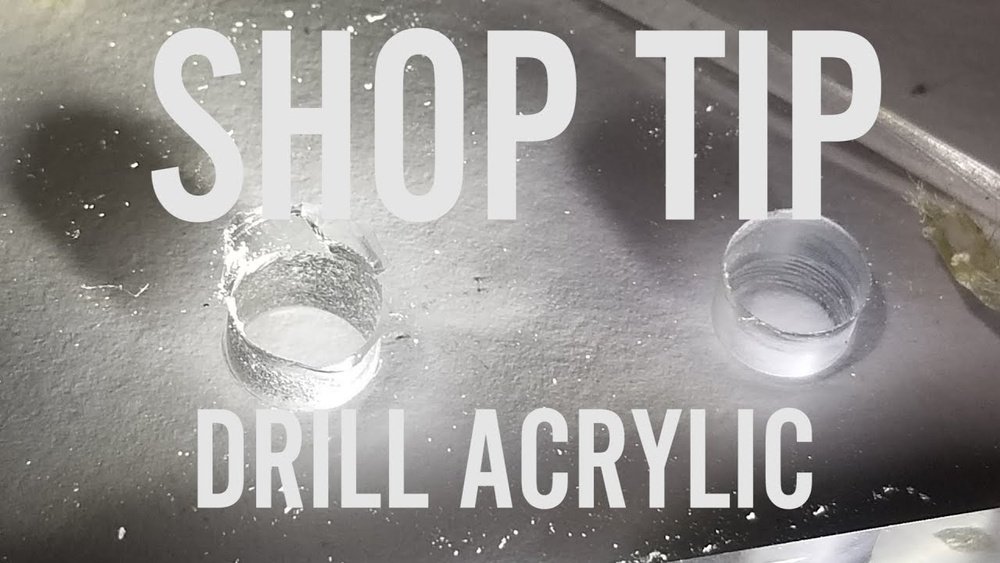
Are you ready to work with acrylic but unsure how to drill a clean, precise hole without cracking or damaging it? Drilling into acrylic can be tricky if you don’t know the right techniques.
But don’t worry—you’re about to learn simple, step-by-step methods that will help you achieve perfect results every time. Whether you’re crafting a project or making repairs, this guide will save you time, frustration, and costly mistakes. Keep reading, and you’ll master the skill of drilling holes in acrylic like a pro.

Credit: www.youtube.com
Choosing The Right Drill Bit
Choosing the right drill bit is key to drilling clean holes in acrylic. The wrong bit can crack or chip the material. Using the proper drill bit makes your work easier and safer. It helps create smooth, precise holes without damage.
Types Of Drill Bits For Acrylic
Twist drill bits are common but may cause cracks in acrylic. Brad-point bits have a sharp tip that prevents slipping and reduces chipping. Step drill bits create holes of different sizes and offer smooth cuts. Carbide-tipped bits are strong and heat-resistant, ideal for thicker acrylic sheets.
Selecting The Best Size
Choose a drill bit slightly smaller than the hole size needed. This allows for clean edges and less stress on the acrylic. For larger holes, use step bits to avoid cracking. Matching bit size to screw or bolt size is important for a tight fit. Always measure twice before drilling.

Credit: www.acrylite.co
Preparing Acrylic For Drilling
Preparing acrylic for drilling is an important first step. It helps avoid cracks and keeps the hole clean and smooth. Proper preparation makes drilling easier and safer.
Start by choosing the right spot and securing the material well. These steps reduce movement and prevent damage during drilling.
Marking The Drill Spot
Use a fine-tip marker or a pencil to mark the drilling point clearly. Check the spot twice to ensure accuracy. Avoid using thick or dark marks that may hide the hole. A small dot is enough to guide the drill bit. This helps keep the drill steady and precise.
Securing The Material
Place the acrylic sheet on a flat, stable surface. Use clamps to hold it firmly in place. This prevents slipping and protects your hands. Avoid applying too much pressure to stop cracks. If clamps are not available, use a heavy object to weigh it down. Secure acrylic properly for a clean, safe drill job.
Drilling Techniques For Clean Holes
Drilling holes in acrylic requires special care. The goal is to create clean holes without cracks or rough edges. Using the right techniques helps protect the acrylic and gives a neat result. Here are key tips to drill perfect holes in acrylic.
Setting The Drill Speed
Choose a low drill speed to avoid melting the acrylic. High speed creates heat and can damage the material. A slow, steady speed keeps the hole smooth. Use a drill with adjustable speed for best control.
Using A Pilot Hole
Start with a small pilot hole before the final drill size. This guides the larger drill bit and prevents cracking. A pilot hole makes drilling easier and more precise. It reduces stress on the acrylic during the process.
Applying Proper Pressure
Apply gentle, even pressure while drilling. Pressing too hard can crack the acrylic. Let the drill bit do the work without forcing it. Steady pressure helps create a clean and smooth hole.
Preventing Cracks And Splinters
Drilling holes in acrylic can cause cracks or splinters if not done carefully. Acrylic is a strong but delicate material. It needs gentle handling during drilling to keep it intact. Avoiding cracks and splinters is crucial for a clean and smooth hole. Using the right techniques can protect the acrylic and make the drilling process easier.
Cooling Methods
Keeping acrylic cool during drilling helps prevent damage. Heat buildup softens the material and causes cracks. Use water or a light spray to cool the drill bit and acrylic. Stop drilling now and then to let the acrylic cool down. A wet sponge can also help reduce heat. Cooling keeps the acrylic firm and reduces the chance of splintering.
Avoiding Excessive Heat
Drilling too fast creates too much heat and can crack acrylic. Use a slow and steady drill speed. This reduces friction and heat buildup. Choose a sharp drill bit designed for plastic or acrylic. Dull bits create more heat and rough edges. Applying gentle pressure lets the drill bit cut smoothly. Avoid pushing too hard; it may crack the material.
Finishing Touches
After drilling a hole in acrylic, the work is not quite finished. The edges can be sharp or rough. Finishing touches make the hole safe and neat. These steps improve both the look and function of the acrylic piece.
Smoothing Edges
Use fine sandpaper to smooth the hole’s edges. Sand gently in a circular motion. This removes any sharp bits or cracks. Start with medium grit, then move to fine grit. A smooth edge prevents cuts and gives a clean look.
Cleaning The Hole
Remove dust and small debris from the hole. Use a soft brush or cloth. Wipe the area to clear all particles. Clean acrylic looks clearer and shines better. It also helps glue or fasteners stick well if needed.
Common Mistakes To Avoid
Drilling a hole in acrylic requires care and attention. Many people make simple mistakes that cause cracks or damage. Avoiding these errors saves time and keeps your project neat. Focus on the right tools and proper preparation to get clean holes every time.
Using Wrong Tools
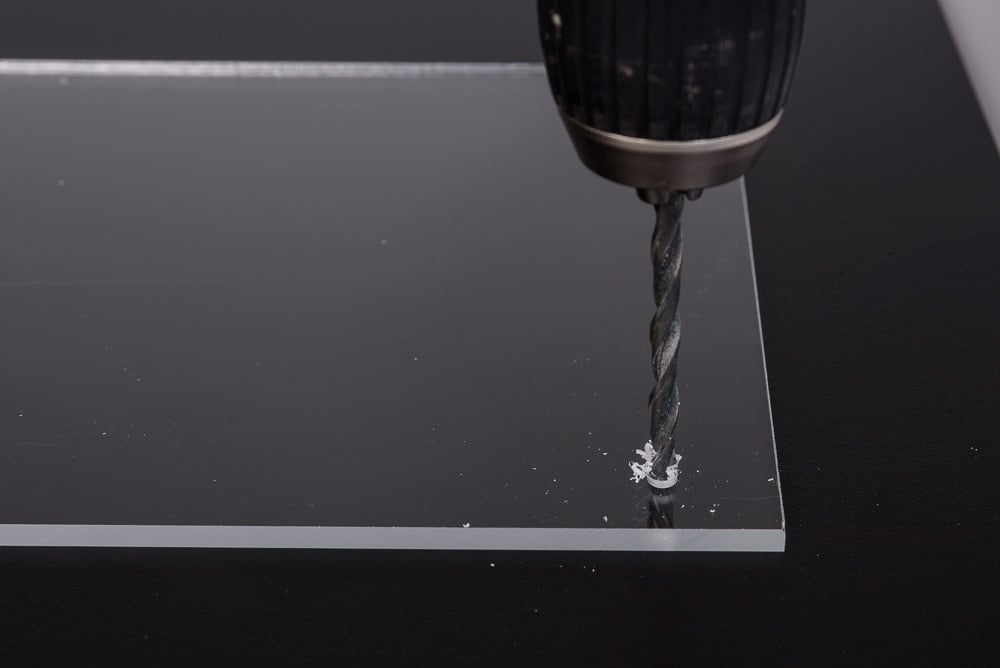
Using the wrong drill bit can crack acrylic easily. Regular metal bits are too sharp and fast. They create heat that melts or chips the plastic. Use a drill bit made for plastic or acrylic. These bits have a blunt tip and a low angle. They cut smoothly without cracking the material.
Also, avoid high drill speeds. Fast drilling causes friction and heat. This can warp or burn the acrylic surface. A slow, steady speed works best.
Skipping Preparation Steps
Not preparing the acrylic surface leads to poor results. Always clean the area before drilling. Dust or grease can cause the drill to slip.
Mark the drilling spot clearly with a pencil or tape. This helps keep the drill steady and accurate. Using tape over the hole site reduces cracking and chipping. It holds the acrylic in place while you drill.
Secure the acrylic sheet firmly. Loose material moves and creates uneven holes. Use clamps or a soft surface to hold it steady.
Credit: plasticsheetsshop.co.uk
Frequently Asked Questions
What Tools Do I Need To Drill A Hole In Acrylic?
You need a drill with a sharp, high-speed steel or carbide drill bit. Use a clamp to secure acrylic and safety glasses.
How Do I Prevent Cracking When Drilling Acrylic?
Drill slowly with low speed to avoid heat buildup. Use masking tape on the drilling spot to reduce chipping.
What Drill Bit Size Is Best For Acrylic Holes?
Choose a drill bit slightly smaller than the desired hole size. Step up gradually for larger holes to prevent damage.
Can I Drill Acrylic Without Cracking Or Chipping?
Yes, by drilling slowly, using proper bits, and applying gentle pressure, you can avoid cracking or chipping acrylic.
Conclusion
Drilling a hole in acrylic is simple with the right steps. Use a sharp drill bit and low speed for best results. Keep the acrylic steady to avoid cracks or breaks. Take your time and apply gentle pressure. Clean the hole edges carefully to finish the job.
With practice, drilling acrylic becomes easier and safer. Now, you can handle your project confidently and create precise holes every time.
