



Drilling a hole in a concrete wall might sound tough, but with the right steps, you can do it yourself without stress. Whether you want to hang a heavy picture, install shelves, or run cables, knowing how to drill into concrete saves you time and money.
In this guide, you’ll learn simple tips and tricks to make the job easier and get perfect results every time. Ready to take on your next project with confidence? Let’s dive in and get started!
Credit: www.youtube.com
Choosing The Right Tools
Choosing the right tools is key to drilling a hole in a concrete wall. The right tools make the job easier and safer. Using the wrong tools can cause damage or injury. Knowing what drill and bits to use helps you finish the task faster. Safety gear protects you from dust and debris. This section explains which tools to pick and why they matter.
Types Of Drills For Concrete
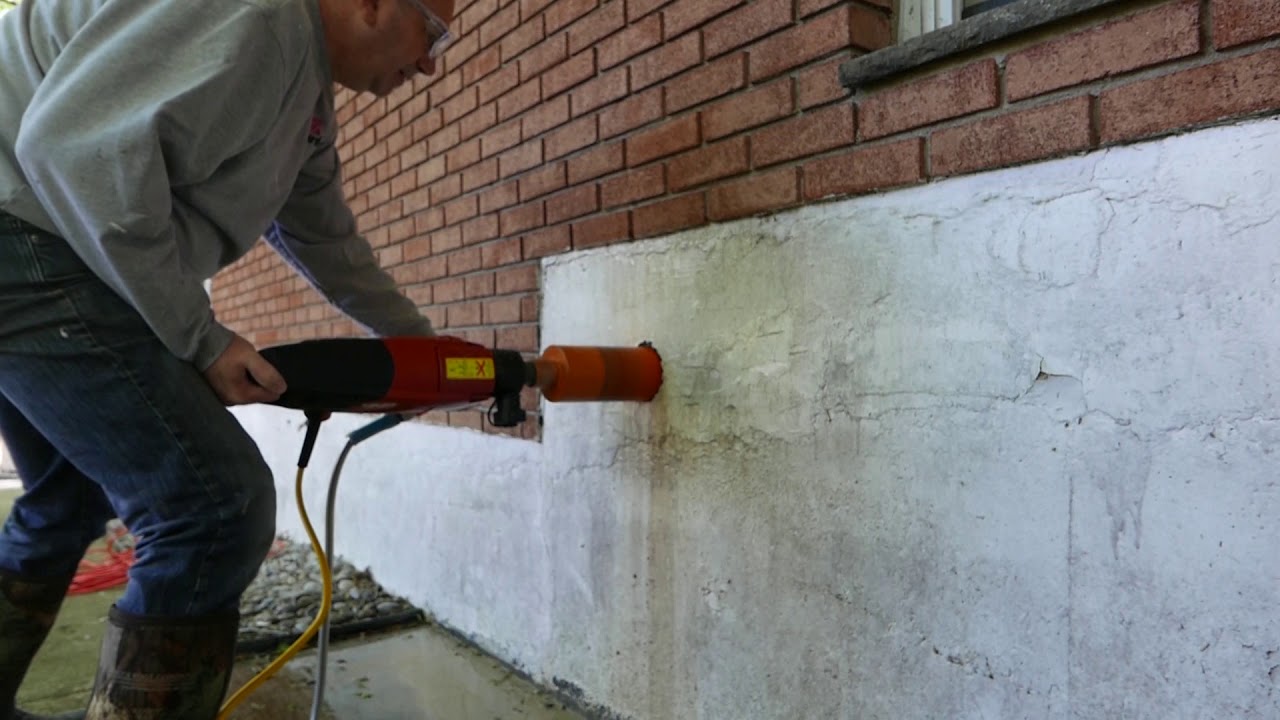
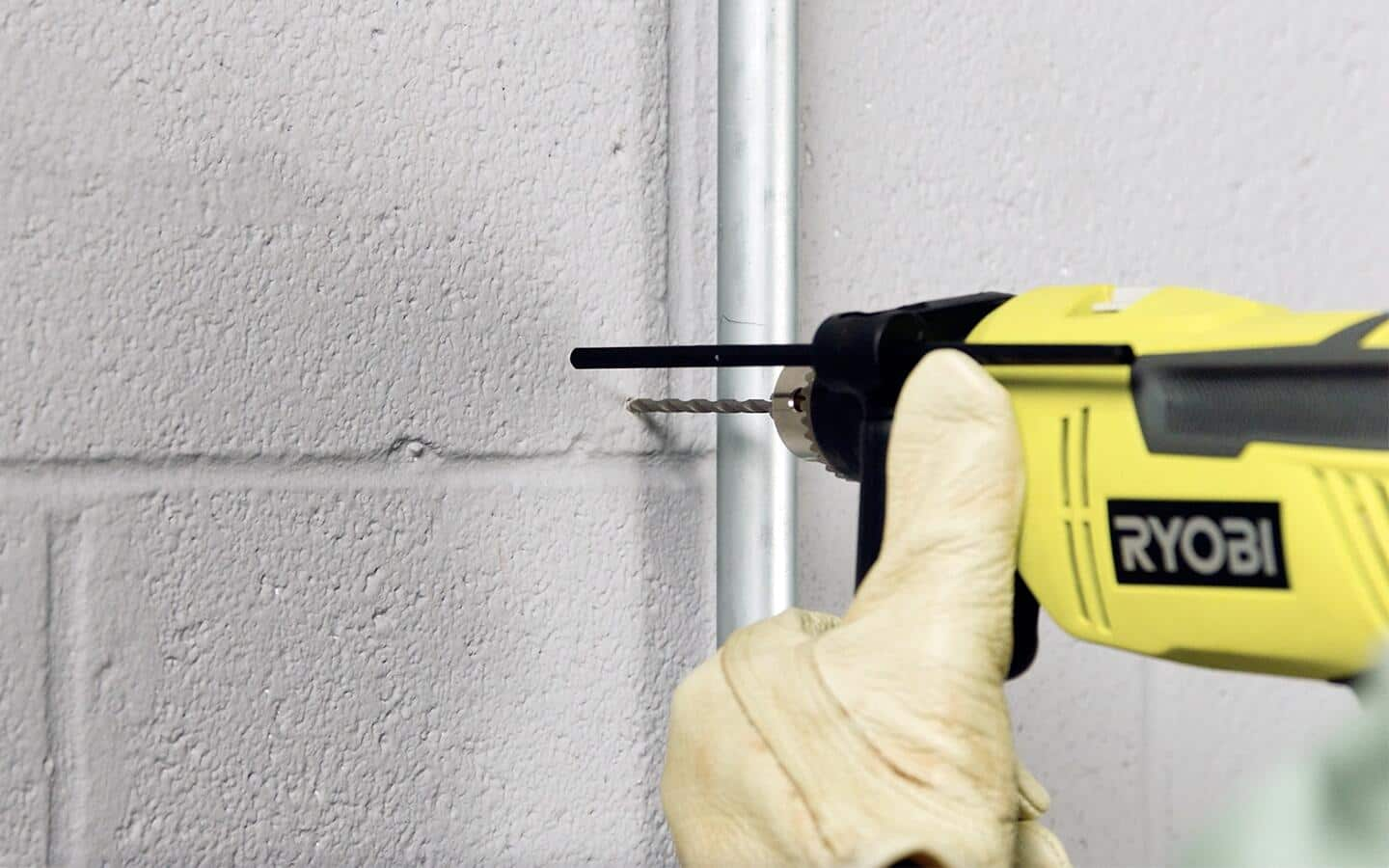
Hammer drills are best for concrete. They combine rotation with a hammering action. This breaks up the concrete as the drill spins. Rotary drills can work but take longer and need more effort. Corded drills offer constant power. Cordless drills give more freedom but may run out of battery. Choose a drill with good speed control for better results.
Selecting The Best Drill Bits
Masonry drill bits are designed for concrete. They have a tip made of carbide or tungsten. This tip stays sharp longer and cuts through hard surfaces. Avoid using wood or metal bits on concrete. The size of the bit depends on the hole you want. Start with a small bit for pilot holes, then use a larger one if needed. Keep bits clean and replace them if they get dull.
Safety Gear Essentials
Wear safety goggles to protect your eyes from dust and chips. Use a dust mask to avoid breathing in fine particles. Gloves protect your hands from sharp edges and vibration. Ear protection helps reduce noise from the drill. Wear sturdy shoes to protect your feet. Always check your gear before starting the work. Safety gear keeps you safe and comfortable during drilling.
Credit: www.homedepot.com
Preparing The Concrete Surface
Preparing the concrete surface is an important step before drilling a hole. It helps ensure the hole is accurate and safe. Taking time to prepare the surface saves effort and prevents mistakes. Follow these steps to get the concrete ready.
Marking The Drill Spot
First, find the exact spot where you want the hole. Use a pencil or chalk to mark it clearly. Make sure the mark is visible and precise. Double-check the spot for accuracy before drilling.
Cleaning The Area
Remove dust, dirt, and loose particles around the mark. Use a brush or cloth to clean the surface well. A clean area helps the drill bit grip better. It also stops debris from interfering with the drill.
Checking For Obstacles
Look for wires, pipes, or nails behind the wall. Use a stud finder or similar tool to detect hidden objects. Avoid drilling near these obstacles for safety. Knowing what lies behind prevents damage and accidents.
Drilling Techniques
Drilling into a concrete wall requires specific techniques to ensure safety and success. Using the right method helps prevent damage to the wall and the drill bit. Follow these simple drilling techniques for the best results.
Setting The Drill Speed
Choose a low to medium drill speed. Concrete is hard, and high speed can overheat the bit. Start slow to control the drill better. Adjust speed based on how the drill feels. Slower speeds help the bit cut through the material smoothly.
Using Hammer Function
Select the hammer mode on your drill if available. This function combines rotation with a pounding action. It helps break the concrete faster and easier. Using hammer mode reduces the effort needed. It also protects the drill bit from wearing out quickly.
Maintaining Steady Pressure
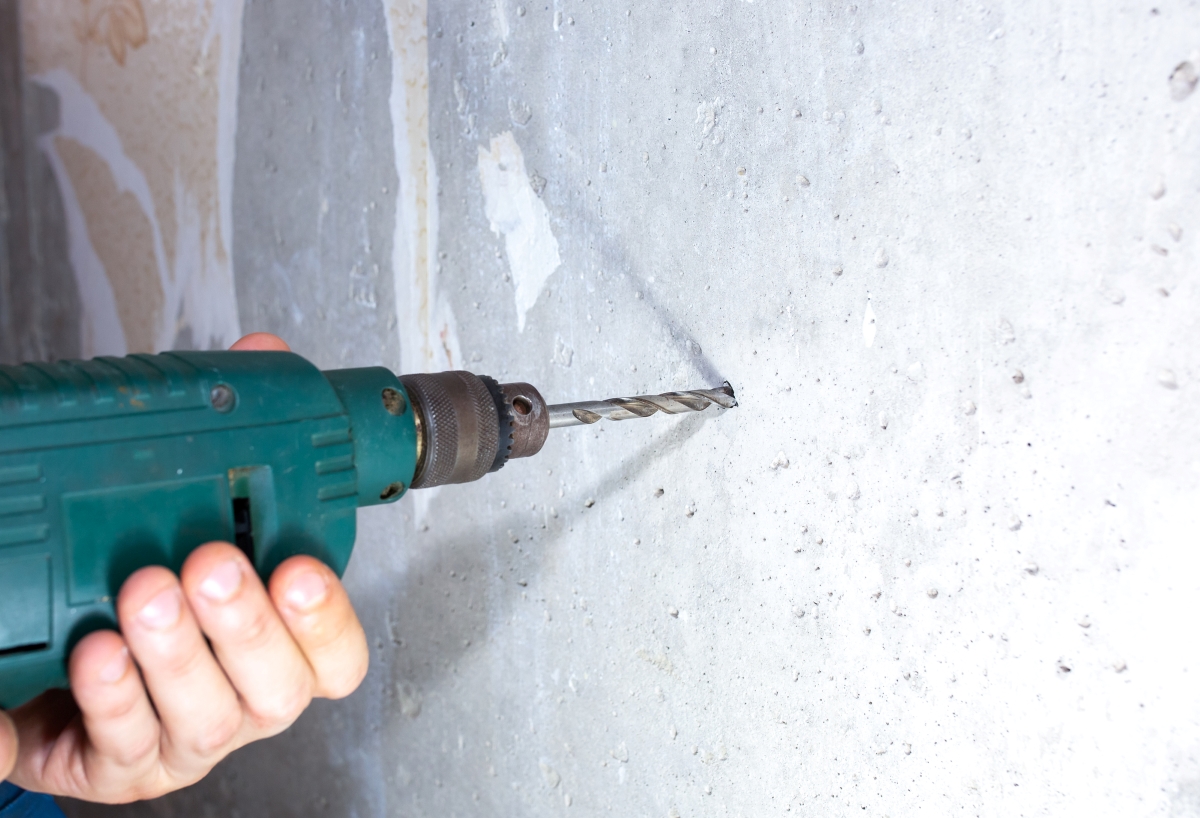
Apply firm, steady pressure while drilling. Do not push too hard; let the drill do the work. Too much force can damage the bit or drill. Keep the drill straight to avoid uneven holes. Pause occasionally to clear dust and cool the bit.
Credit: www.bobvila.com
Handling Common Issues
Drilling into a concrete wall can present some challenges. These common issues often slow down the work. Knowing how to handle them keeps the job smooth and efficient. Here are simple solutions for the most frequent problems.
Dealing With Drill Bit Slippage
Drill bit slippage happens when the bit slips on the wall surface. This makes starting the hole harder. To stop slippage, mark the spot with a center punch. Tap it lightly to create a small dent. This dent helps the drill bit grip better. Also, begin drilling at a slow speed. Keep the drill steady and straight to avoid slipping.
Managing Dust And Debris
Drilling concrete creates a lot of dust and small debris. This dust can block your view and make breathing hard. Use a vacuum or dust collector near the drill to catch dust. Wear a dust mask to protect your lungs. Clean the hole regularly by pulling out the drill bit and blowing air inside. This keeps the hole clear and drilling easier.
Fixing Overheating Tools
Overheating happens when the drill works too hard for too long. This can damage the tool and slow progress. To cool the drill, take breaks every few minutes. Let the tool rest and cool down. Use water on the drill bit to reduce heat, but avoid getting the drill motor wet. Keep the drill bit sharp to cut faster and stay cooler.
Finishing Touches
After drilling a hole in a concrete wall, the final steps are important. These finishing touches make sure your work stays strong and looks neat. Proper cleaning, inserting the right anchors, and checking the fittings will keep your project safe and lasting.
Cleaning The Hole
Clear dust and debris from the hole before adding anything. Use a small brush or a vacuum to remove loose particles. This helps the anchor or fastener fit tightly. A clean hole improves holding power and prevents slipping.
Inserting Anchors Or Fasteners
Choose the right anchor for your wall and purpose. Insert it gently into the hole without forcing it. Tap it lightly with a hammer if needed. Anchors create a strong base for screws or bolts to hold well.
Ensuring Secure Fittings
Place screws or bolts into the anchors carefully. Tighten them just enough to hold firm without cracking the wall. Check the fitting by giving a slight pull or twist. Secure fittings keep your mounted items safe over time.
Frequently Asked Questions
What Tools Are Needed To Drill A Concrete Wall?
You need a hammer drill, masonry bit, safety goggles, dust mask, and a pencil. These tools ensure precise and safe drilling in concrete.
How Do You Prevent Cracking When Drilling Concrete?
Use a hammer drill with a masonry bit. Start with a small pilot hole, apply steady pressure, and avoid forcing the drill.
What Safety Precautions Are Essential When Drilling Concrete?
Wear safety goggles, gloves, and a dust mask. Ensure proper ventilation and secure the wall area to avoid accidents.
How Deep Should You Drill Into A Concrete Wall?
Drill according to the anchor or fixture size, typically 1 to 2 inches deeper than the anchor length for a secure hold.
Conclusion
Drilling a hole in a concrete wall is simple with the right tools. Always wear safety gear to protect yourself. Mark the spot clearly before you start drilling. Use a hammer drill and a masonry bit for best results. Take your time and drill steadily without rushing.
Clean out the dust to keep the hole clear. Following these steps helps you finish the job safely and well. Now, you can hang shelves or fixtures with confidence. Practice makes perfect, so don’t be afraid to try again.
