


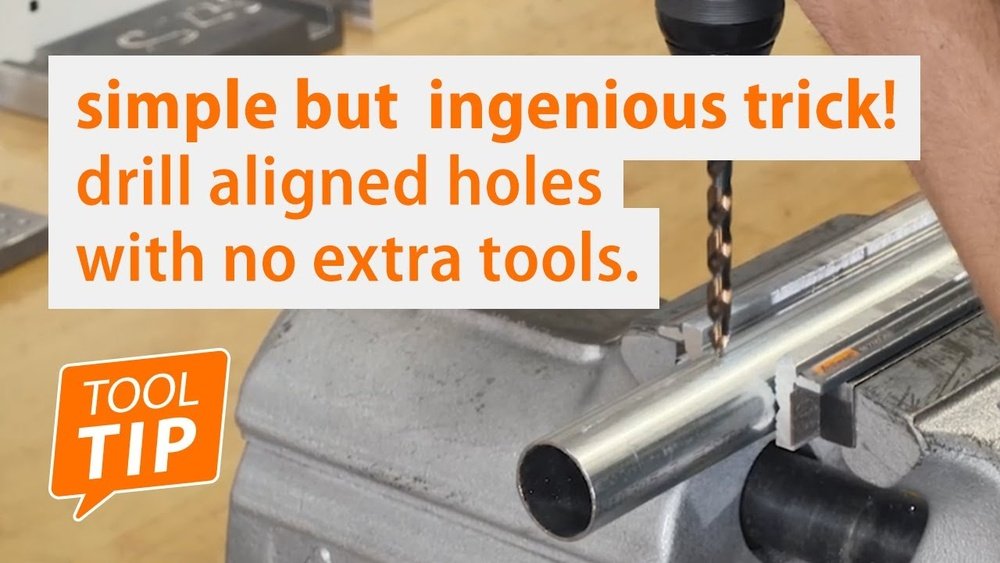
Need to drill a hole in a pipe but not sure where to start? You’re in the right place.
Whether it’s for a plumbing fix, a DIY project, or something more complex, knowing the right way to drill a hole can save you time, effort, and costly mistakes. In this guide, you’ll learn simple steps and expert tips to get the job done cleanly and safely.
Keep reading, and you’ll gain the confidence to handle your pipe drilling like a pro.
Choosing The Right Pipe
Choosing the right pipe is important before drilling a hole. The pipe’s material and size affect the drilling process. Picking the correct pipe helps avoid damage and ensures a clean hole.
Materials And Thickness
Pipes come in many materials like steel, PVC, and copper. Each material needs a different drill bit and speed. Thick pipes need stronger drill bits and more pressure. Thin pipes can crack if drilled too hard. Knowing the pipe’s thickness helps pick the best tools and method.
Pipe Diameter Considerations
Pipe diameter is the distance across the pipe’s opening. Larger diameter pipes may need special support while drilling. Small pipes require careful handling to avoid bending. The size also affects the hole size you can drill safely. Measure the pipe diameter before starting your work.
Selecting Proper Drill Bits
Selecting the right drill bit is key to drilling a clean hole in any pipe. The wrong bit can damage the pipe or make the job harder. Choosing the proper bit saves time and effort. It also ensures safety and a neat finish.
Types Of Drill Bits For Pipes
Different pipes need different drill bits. For metal pipes, use high-speed steel (HSS) bits. They cut through metal smoothly. For plastic pipes, a standard twist bit works well. For softer materials like copper, a brad point bit can help. Each bit type matches the pipe’s material and thickness.
Bit Size And Sharpness
Pick a drill bit size that matches the hole you need. Too large or too small bits can cause problems. Sharp bits cut faster and cleaner. Dull bits can slip or crack the pipe. Check your bit for sharp edges before starting. Replace it if it looks worn or damaged.
Preparing The Work Area
Preparing the work area is the first step before drilling a hole in a pipe. A clean and organized space helps you work safely and efficiently. Clear any clutter and gather all necessary tools nearby. This reduces interruptions and keeps your focus on the task.
Securing The Pipe
Hold the pipe firmly to prevent movement during drilling. Use a pipe clamp or a vise to secure it on a sturdy surface. Avoid holding the pipe by hand to stop slips. A stable pipe makes the hole precise and protects you from injury.
Safety Precautions
Wear safety glasses to protect your eyes from metal shavings. Use gloves to avoid cuts and scrapes. Check that the drill bit is sharp and suitable for the pipe material. Ensure the power cord is away from the drilling area to prevent accidents. Work in a well-lit area to see clearly and avoid mistakes.
Marking The Drill Spot
Marking the drill spot on a pipe is a crucial step before drilling. The right mark ensures the hole is in the exact place needed. It helps avoid mistakes that can waste material or cause leaks. Taking time to mark the spot carefully leads to better results and safer work.
Measuring And Aligning
Start by measuring the pipe’s length and diameter. Use a tape measure or ruler for accuracy. Mark the spot with a pencil or marker. Check the position twice to avoid errors. Align the mark with the pipe’s center or edge, depending on the project. Use a square or level to keep the mark straight. Proper alignment ensures the hole fits the pipe’s purpose.
Using Templates And Guides
Templates help place the drill spot quickly and accurately. You can make a template from cardboard or plastic. Cut a hole where the drill should go. Place the template around the pipe and mark through the hole. Guides are tools that hold the drill steady. They help drill straight holes without slipping. Using templates and guides saves time and improves precision.
Drilling Techniques
Drilling a hole in a pipe requires careful technique to ensure accuracy and safety. Using the right method helps avoid mistakes and damage. This section explains key drilling techniques to follow for best results.
Starting The Hole
Begin by marking the exact spot on the pipe. Use a center punch to create a small dent. This prevents the drill bit from slipping. Start drilling slowly at first. Let the bit bite into the pipe gently. Steady control is important to keep the hole in place.
Maintaining Steady Pressure
Apply firm but even pressure on the drill. Do not push too hard. Too much force can break the drill bit or damage the pipe. Let the drill do the work. Keep a consistent speed for a clean hole. Take breaks if the drill or pipe gets hot.
Avoiding Pipe Damage
Use a drill bit designed for metal or plastic pipes. Secure the pipe firmly to prevent movement. Place a backing board behind the pipe to protect it. Avoid drilling too deep to prevent puncturing inner layers. Check the hole frequently to stop at the right depth.
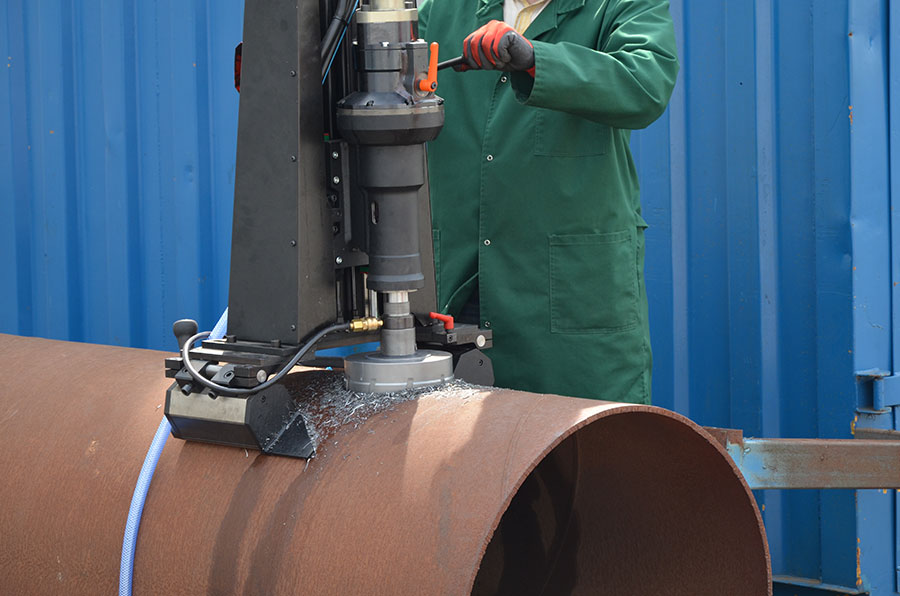
Credit: www.promotech.eu
Handling Different Pipe Materials
Drilling holes in pipes requires care. Different pipe materials need different tools and techniques. Knowing how to handle each type ensures a clean and safe hole. It also prevents damage to the pipe and tools. Below are tips for drilling into metal, PVC, and copper pipes.
Metal Pipes
Metal pipes need a strong drill bit. Use a high-speed steel (HSS) or cobalt bit. Mark the spot before drilling. Start with a small pilot hole to guide the larger bit. Drill slowly to avoid overheating. Keep the drill steady and apply even pressure. Use cutting oil to reduce heat and wear.
Pvc And Plastic Pipes
Use a sharp, standard drill bit for PVC or plastic pipes. Avoid cracking by drilling at low speed. Support the pipe to stop it from moving. Do not press too hard. Let the drill do the work. After drilling, clean the edges to remove rough plastic bits.
Copper Pipes
Copper is soft, so use a sharp bit. A standard twist drill bit works well. Clamp the pipe gently to avoid dents. Drill slowly and steadily. Avoid overheating by pausing occasionally. Remove any metal shavings to keep the pipe clear.
Finishing The Hole
After drilling a hole in a pipe, the work is not done yet. Finishing the hole properly is important for safety and function. It helps avoid sharp edges and ensures the pipe stays clean and ready for use.
Deburring And Smoothing Edges
Sharp edges can cause injury or damage to other parts. Use a deburring tool or sandpaper to smooth the edges around the hole. Move the tool gently around the hole until all rough parts disappear. This step makes the pipe safer to handle and prevents leaks.
Cleaning The Drill Area
Drilling leaves metal shavings and dust inside and around the hole. Wipe the area with a clean cloth to remove all debris. Use a brush or compressed air to clean inside the hole. A clean hole helps in fitting connectors and keeps the pipe working well.
Common Mistakes To Avoid
Drilling a hole in a pipe seems simple but many make mistakes. These errors can cause damage or make the job unsafe. Avoiding common mistakes helps you drill clean holes and stay safe. Read on to learn what to watch out for.
Drilling Too Fast
Drilling too fast can damage the pipe. It creates heat that weakens metal or plastic. The bit may slip or break. Drill at a steady, slow speed. Let the tool do the work, not force.
Incorrect Bit Selection
Choosing the wrong drill bit wastes time and causes damage. Use bits made for the pipe material. For metal pipes, use a high-speed steel bit. For plastic, a standard twist bit works well. Check the bit size matches the hole needed.
Ignoring Safety Measures
Not using safety gear risks injury. Always wear safety glasses to protect eyes. Gloves prevent cuts and burns. Secure the pipe before drilling to stop it from moving. Follow all safety steps to avoid accidents.
Tools And Accessories For Precision
Drilling a hole in a pipe needs careful handling and the right tools. Precision tools help make clean and accurate holes. These tools hold the pipe steady and guide the drill bit exactly where it should go. Using the correct accessories reduces mistakes and saves time. The following sections cover key tools that improve drilling accuracy.
Pipe Clamps And Vises
Pipe clamps and vises hold pipes firmly in place. They stop the pipe from moving or spinning during drilling. Clamps wrap around the pipe and tighten it to a surface. Vises have jaws that grip the pipe securely. Both tools make drilling safer and more precise. They prevent slips that can cause uneven holes or damage.
Drill Guides And Jigs
Drill guides and jigs help drill straight holes at the right angle. A drill guide attaches to the pipe or drill to keep the bit steady. Jigs are custom-made holders that position the drill bit exactly. These tools reduce human error and improve hole placement. They work well for repeated or complex drilling tasks.

Credit: www.youtube.com

Credit: diy.stackexchange.com
Frequently Asked Questions
How Do You Safely Drill A Hole In A Pipe?
To safely drill a hole, turn off water flow and relieve pressure. Use a proper drill bit for the pipe material. Secure the pipe firmly to avoid slipping. Drill slowly to prevent damage or cracking.
What Type Of Drill Bit Works Best For Pipes?
For metal pipes, use a cobalt or titanium drill bit. For PVC or plastic pipes, use a standard high-speed steel bit. Choose the bit size based on the hole diameter needed. Always ensure sharp bits for clean cuts.
Can I Drill A Hole In A Water Pipe Without Leaks?
Yes, if done correctly. Use a drill bit designed for pipes. Drill slowly and steadily to avoid cracks. After drilling, apply sealant or pipe patch to prevent leaks. Always inspect the hole for smooth edges.
What Precautions Should I Take Before Drilling A Pipe?
Turn off the water supply and drain the pipe. Wear safety goggles and gloves. Mark the drilling spot clearly. Check for electrical lines or other utilities nearby. Use the correct drill bit for the pipe type.
Conclusion
Drilling a hole in a pipe is simple with the right tools. Always measure and mark the spot clearly. Use a drill bit made for metal or plastic pipes. Go slow to avoid cracking or bending the pipe. Keep safety in mind by wearing goggles and gloves.
Practice on a scrap piece if unsure. With care and patience, you can do it well. This skill saves time and money on repairs. Try it yourself and see how easy it can be.
